

After the Ballots: Why Post-Election Stability Must Be Measured in Real Life (Uganda)
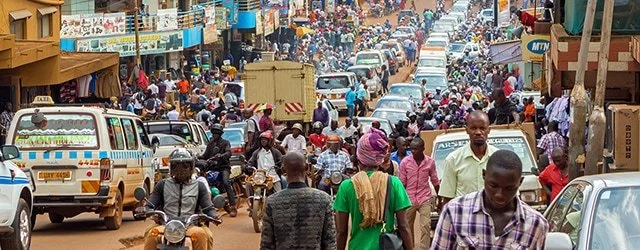
An institutional and fiscal governance lens on what stability truly means for citizens, markets, and national progress.
Uganda has concluded another election cycle, and like many Ugandans at home and in the diaspora, I’ve been reflecting on what comes next, not only politically, but institutionally.
Because elections do not end when ballots are counted. In many ways, the post-election period is when the real test begins: whether institutions can sustain public trust, whether markets stabilize, and whether citizens feel safe enough to return to productive routines.
As a policy analyst, I believe post-election stability should not be measured only by calm streets or quiet headlines. It should be measured more deeply, by whether ordinary people regain the confidence to return to normal economic life: to produce, transact, invest, and plan.
In Uganda, this matters deeply. Our economy is not powered only by big firms. It is powered by millions of citizens earning livelihoods through small enterprise, informal trade, services, agriculture, and transport. When uncertainty rises even for a short time people pause spending, delay investment, and tighten risk. And when people pause, the economy slows.
Why post-election stability is an economic issue, not only a security issue
Stability matters because it shapes what people do with risk. When households and businesses feel uncertain, they respond predictably: families delay spending beyond necessities, traders reduce stocking and avoid credit, businesses postpone hiring or investment, prices fluctuate due to supply and transport disruptions. In other words, elections are not only political events. They are economic confidence tests.
We can see that Uganda has strong potential for growth, international projections reflect this. The IMF, for example, projects Uganda’s real GDP growth at 7.6% in 2026, with consumer prices projected around 4.3%.
But growth projections alone are not enough. Growth becomes real only when stability enables citizens and firms to act.
The problem: we measure stability too shallowly. In many discussions, stability is measured through visible indicators: roads are open, businesses appear calm, public demonstrations reduce.
But Uganda requires a deeper lens. Shallow stability is silence. Deep stability is confidence.
Silence can coexist with fear. Silence can coexist with reduced investment. Silence can coexist with economic stagnation. What matters most is whether people believe institutions are predictable enough for them to take normal economic risks again.
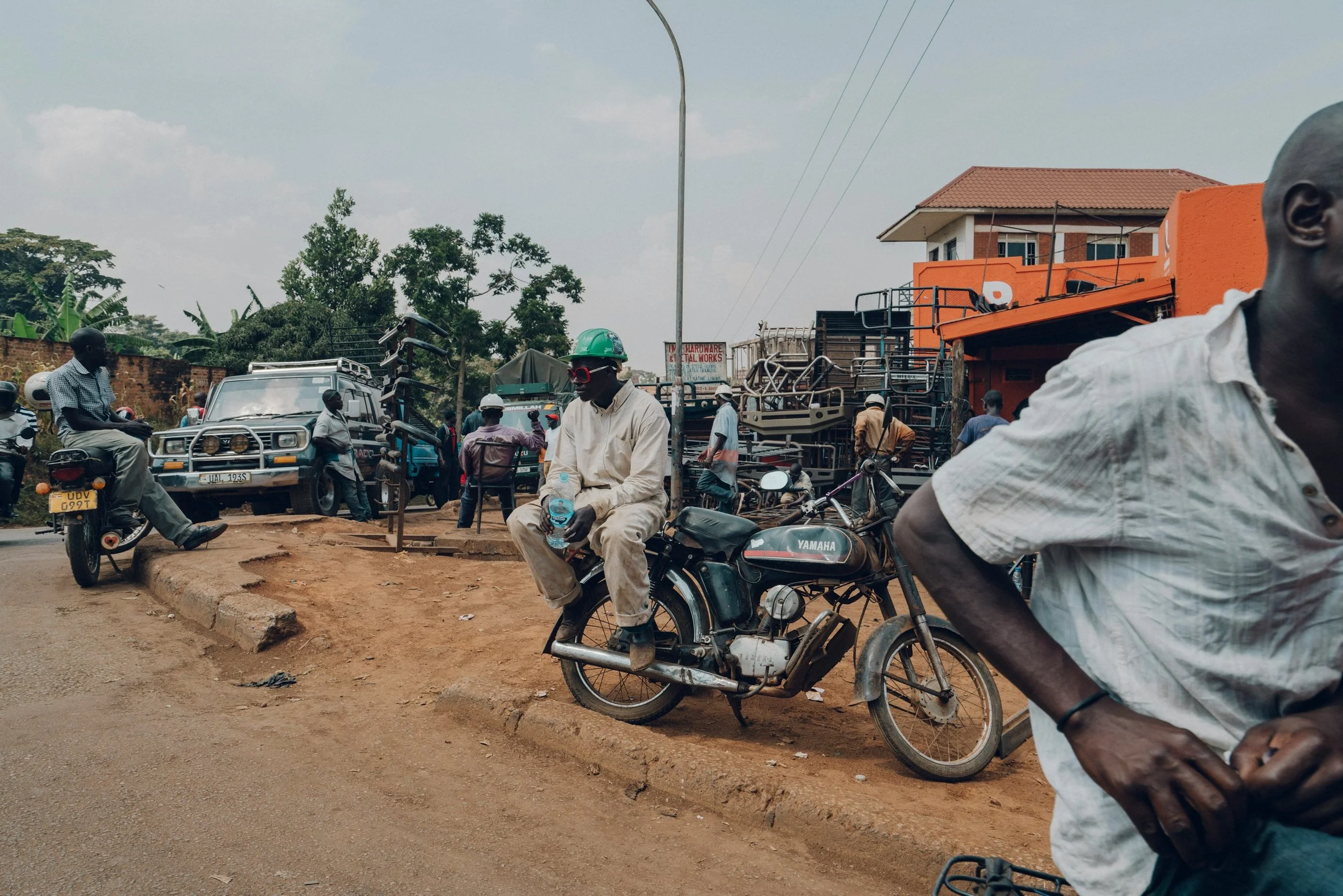
Photo by Random Institute on Unsplash
What “deep stability” looks like in Uganda
Post-election stability should be evaluated through institutional performance and economic behavior, not only political messaging.
1) Money starts circulating again
Uganda’s economy is highly transactional. When confidence returns, money flow increases. A useful real-world indicator is mobile money activity. Bank of Uganda figures show the value of electronic money transactions increased to UGX 326.3 trillion by June 2025 with volume rising to 8.4 billion transactions. This reflects how central digital finance is to commerce and livelihoods and why protecting transaction confidence matters after elections
2) Prices stabilize and households can plan
Inflation is one of the quickest ways instability becomes “real” to families. Uganda’s inflation has remained relatively contained recently. For example, Uganda’s annual inflation rate was reported at 4.0% in September 2025. That stability must be protected because once inflation accelerates, the hardest hit are households already balancing food, transport, and school costs.
3) Government institutions operate consistently
Deep stability requires predictable state behavior including consistent regulation, fair enforcement, functioning service delivery, transparency in public spending.These aren’t abstract concepts. They determine whether traders move goods, whether businesses comply, and whether firms expand.
One structural challenge Uganda continues to face is domestic revenue mobilization. The World Bank noted that Uganda’s tax revenue-to-GDP ratio was about 14% in FY2024/2025, below the often-cited 15% threshold viewed as important for accelerated growth and sustainable development. That gap cannot be solved by enforcement alone, it requires trust, fairness, administrative professionalism, and stronger institutions.
4) Investors trust the environment enough to commit capital.
Stability must translate into investor confidence and regulatory credibility. Uganda’s FDI performance provides one indicator. Uganda Investment Authority reported FDI of $3.30 billion in 2024, up from $2.99 billion in 2023, largely linked to oil and gas developments.
Investment is highly sensitive to policy uncertainty. Predictable regulation and credible institutions are therefore not only governance issues, they are investment drivers.
5) Exports and trade keep moving
Trade resilience is another signal of institutional performance. Reuters reported Uganda’s gold exports surged to $5.8 billion in 2025 from $3.3 billion in 2024, according to Bank of Uganda, reflecting Uganda’s role as a regional trading and processing hub. Trade flows depend on logistics, customs efficiency, and a predictable operating environment, key ingredients of post-election stability.
Why Uganda must measure stability deeply, right now
Uganda’s economy is powered by citizens who cannot afford prolonged uncertainty: small business owners, market vendors, boda boda operators, micro-traders, farmers and cross-border traders. For these households, even a short pause in commerce becomes an immediate hardship. That is why post-election stability must be measured by whether markets remain open and supplies, transport and logistics remain predictable, households feel safe enough to spend and invest, businesses restock, hire, and expand, public institutions work consistently.
What matters next
Uganda’s post-election opportunity is to move decisively from political season to economic progress. This requires more than messages, it requires systems that perform. The most urgent priorities include:
● Institutional predictability: consistent leadership communication and rule-based governance that reduces uncertainty for citizens and businesses.
● Public integrity: credible accountability and control systems that prevent leakages and reassure the public that resources are protected.
● Economic confidence: stable regulatory and policy signals that support investment, job creation, and private-sector expansion.
Conclusion: rebuilding trust, restoring normal life
Post-election stability should not be judged only by the absence of conflict. It should be judged by whether citizens can return to productive routines working, trading, investing, and planning with confidence. Ultimately, stability is sustained when institutions consistently earn public trust and make economic life predictable.