

When Wedding Bells Meet Bank Balances: Why Money Matters Before Marriage
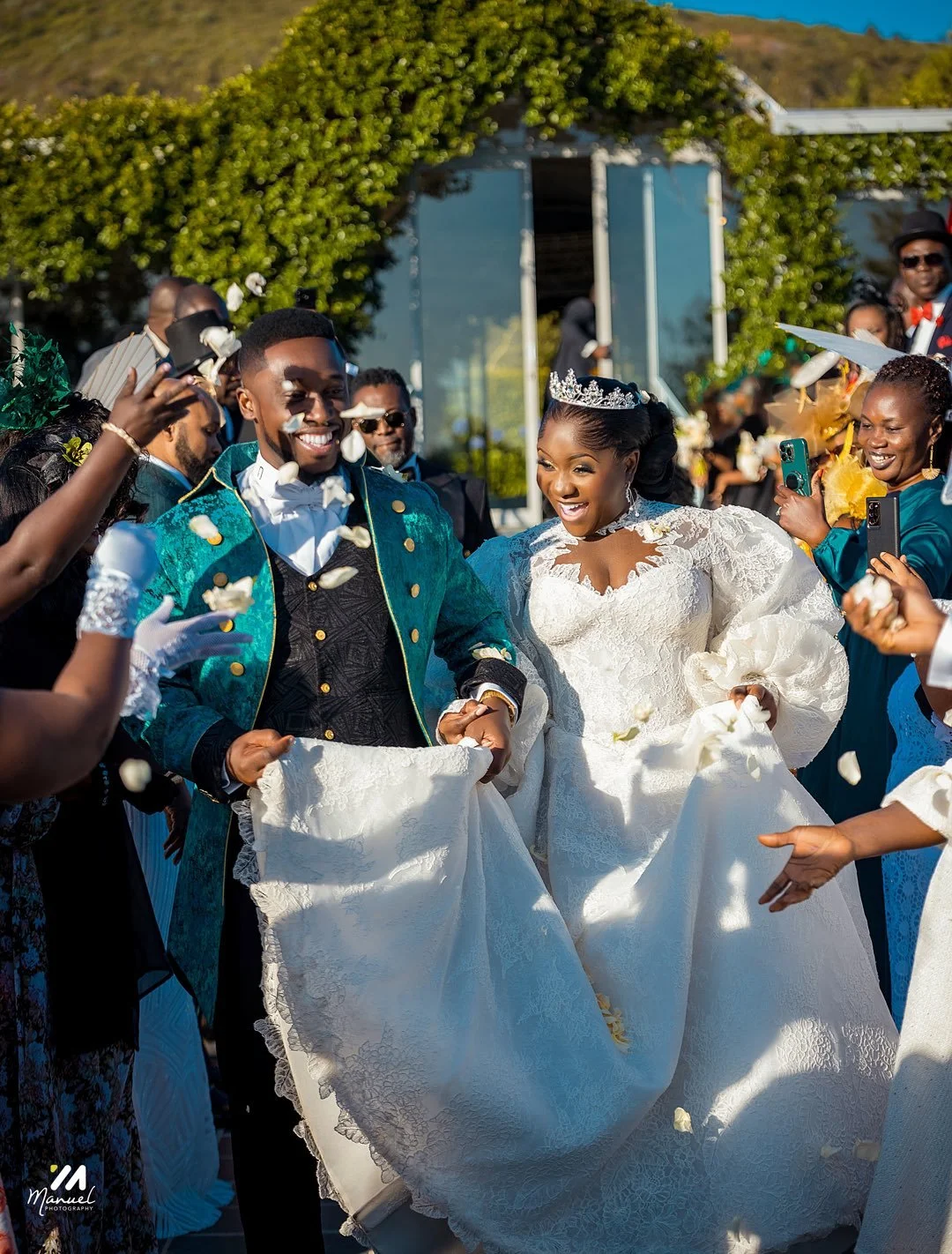
Under the Cape Town sky, with the mountains as witnesses and a carriage fit for royalty, Fiifi and Monalisa began their forever. Captured by Manuel Photography.
Weddings are often imagined as the fairytale of all fairytales - the gowns, the convoy, floral arches, a glittering reception, and a guest list curated like a royal coronation. What once was a family celebration has gradually morphed into a full-scale production, with budgets that rival those of small corporate events. Yet behind the spectacle, many young couples enter marriage already weighed down by debt. That reality has reignited debate about money, marriage, and expectations.
One of Ghana’s megachurch pastors, Archbishop Duncan-Williams, amplified the conversation by addressing his congregation about financial preparedness before marriage. His remarks quickly travelled across social media, sparking arguments from admiration to outrage.
“If the man cannot prove that he has at least GH¢100,000 in his bank account, he shouldn’t have a wedding,” he said.
“Marriage is not the wedding. Love doesn’t pay bills. Love doesn’t buy provisions.”
He went further, suggesting simple church blessings with no frills, no bridal party of ten, no after-party, just vows and a life together rather than lavish ceremonies funded by borrowed money and quickly forgotten guests.
The uproar that followed showed that the conversation touches something deeper than the quoted figure. Beneath it lies a mindset shift: weddings have increasingly become performances rather than covenants.
Many couples today fund weddings they simply cannot afford, often to impress people who will not contribute to their rent, their future children’s school fees, or their emergency savings. The wedding becomes the headline, and the marriage becomes the footnote. Too often, the honeymoon glow fades not with romance, but with mobile money reminder alerts from vendors who agreed to “pay later” deals.
While writing this piece, I spoke with a few people to better understand how young Ghanaians are navigating wedding expectations.
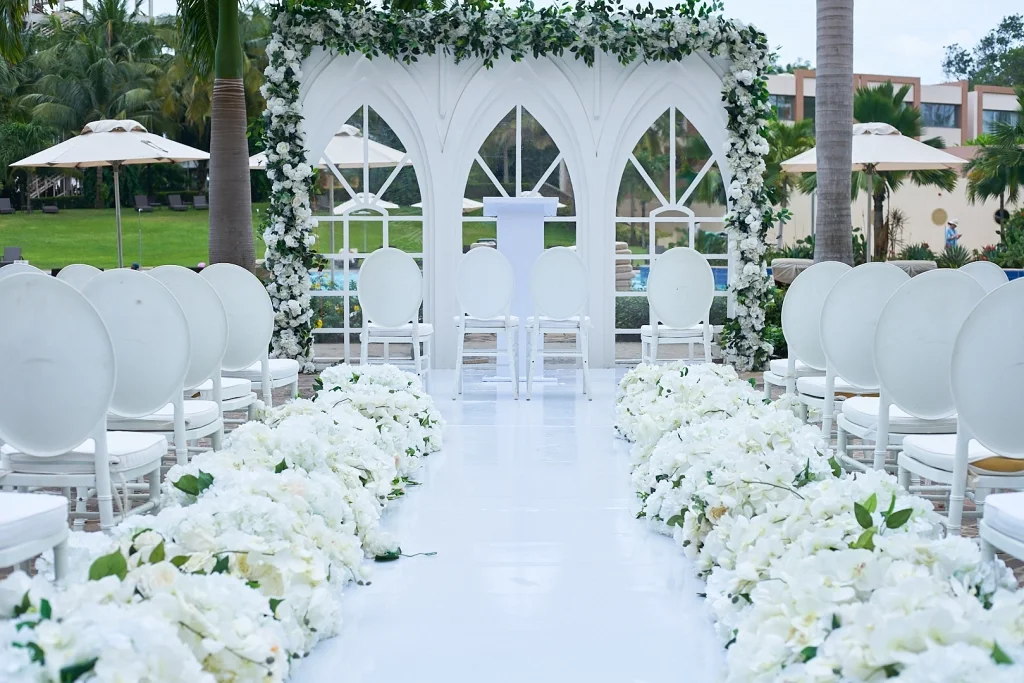
Garden wedding curated by Dustin Events
Cynthia (not her real name) shared her story. She loved the idea of a memorable day but not at the cost of her peace.
“I don’t like debts. Especially not for something like that,” she told me. “When we decided to get married, I vividly recall how things were expensive even back then. My husband and I spent close to GH¢100,000 without exaggeration or extravagance. I believe couples should have more than that amount before planning a wedding, and it shouldn’t fall only on the man. Marriage is a partnership.”
Her account shows how easily costs climb, even when a couple deliberately avoids the flashy excesses trending online.
On the other side of the aisle, Jones (also a pseudonym) offered a more humorous take: “Even if I have GH¢100,000 and my wife-to-be doesn’t contribute, yet she wants ten bridesmaids and a buffet gala, she will marry herself,” he said.
“I will not come and kill myself.” His joke reflects a very real anxiety among young men concerned about shouldering wedding expectations that exceed their means.
From both perspectives, one theme emerges: money matters — but so does financial wisdom. A wedding should not introduce two people to life together through financial stress. Debt breeds tension, tension breeds conflict, and conflict can turn affection bitter. Couples who were deeply in love can find themselves resenting each other, not because they chose wrong partners, but because they prioritized a party over their future.
This is why Archbishop Duncan-Williams’ call for simpler ceremonies resonates with many. In a tough economy, modest weddings are not old-fashioned; they are practical. Marriage should begin with calm, not the burden of repayment plans.
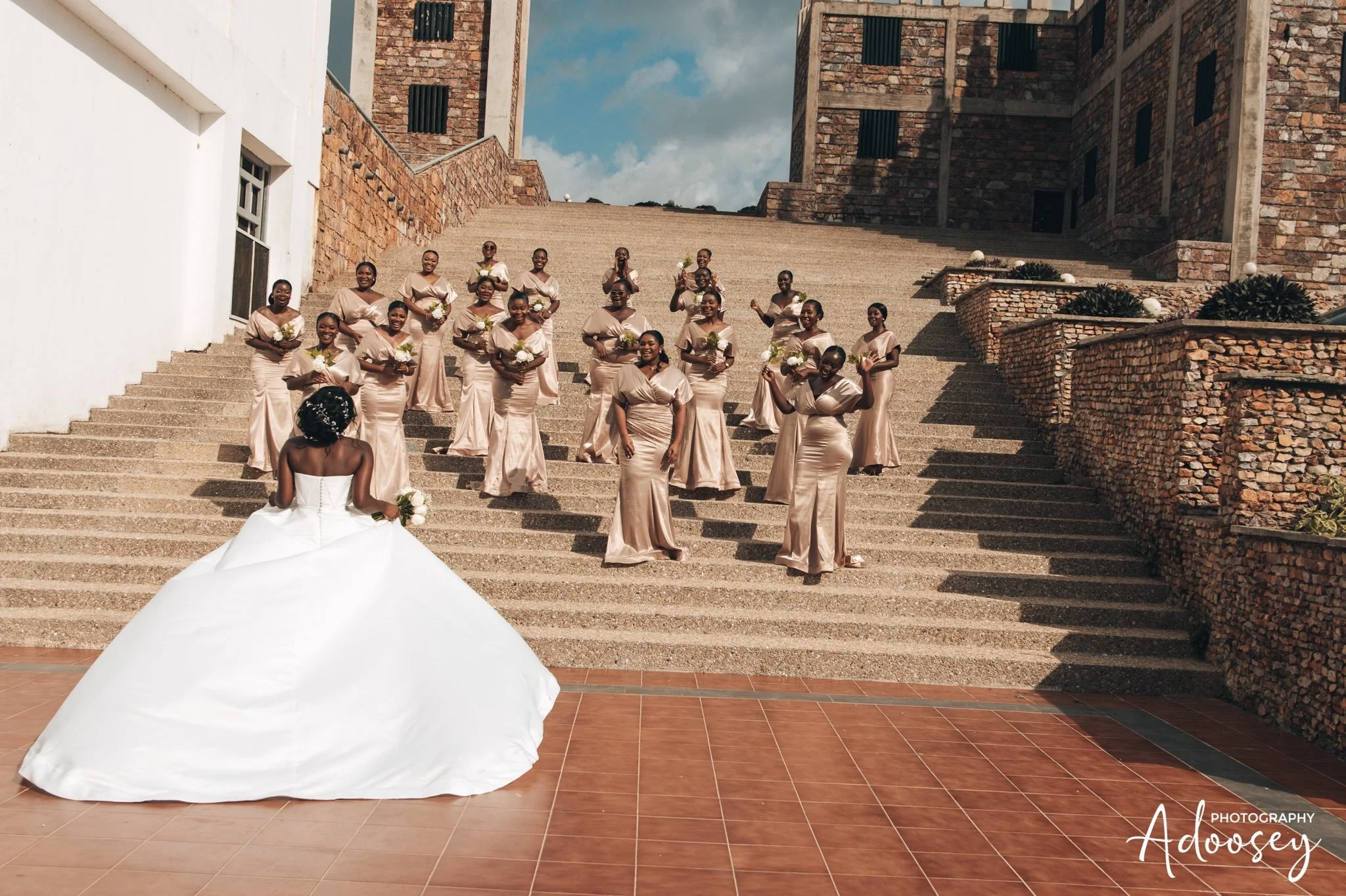
Joel and Adwoa’s wedding captured by #shotbyadoosey
None of this dismisses the beauty of celebration. People should mark their day however they wish. But when the celebration becomes a financial trap — when the pressure to impress outsiders outweighs long-term sustainability — society must pause and ask difficult questions.
The real argument is not against beautiful weddings. It is for balance — for sustainability, partnership, and preparation.
Value the marriage more than the event. Build a future sturdier than the dance floor. And let the wedding be a moment of joy, not the beginning of a crisis.