

From Loom to Law: How Ghana’s Geographical Indication Can Defend the Hands That Weave Its Pride
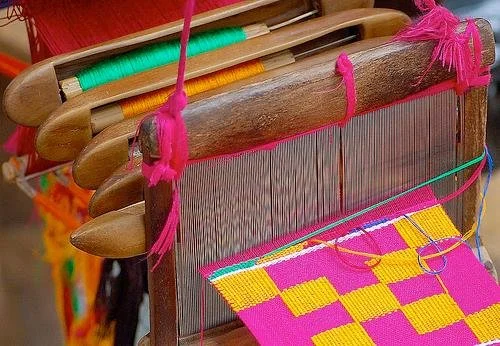
Ghana kente- Photo credit Kentcloth.net
There is a quiet tragedy in how Africa dazzles the world yet profits so little from its own genius. Few symbols capture this contradiction better than kente—our cloth of identity, history, and pride. Once woven by hand in the royal courts of Asante, kente now appears on fashion runways from New York to Tokyo. Everyone celebrates it, but few know who owns it.
That question should trouble us. The global market still overflows with machine-made “African prints” bearing kente-like designs, mass-produced in foreign factories—mostly in China. These imitations flood Ghana’s own markets. Walk through Makola or Kantamanto in Accra and you’ll see rolls of synthetic “kente” stacked beside imported fabrics, sold openly and cheaply. No one questions their origin, and there is no visible enforcement of the new laws that should protect our weavers.
Outside Ghana, the story repeats itself. In African and Caribbean shops abroad—from London to Toronto to Johannesburg—these same knockoffs hang proudly under “Made in Africa” signs. But they are not African; they are copies of Ghanaian genius, stripped of its history, sold for profit, and returned to us as culture.
We call this cultural appreciation, but in truth, it is cultural extraction.
For decades, Ghana—like many African nations—has sat on an untapped mine of intellectual and creative wealth: traditional textiles, herbal medicines, musical rhythms, local technologies, and artistic designs that have shaped the world’s imagination. Yet our legal systems have been slow to treat these as intellectual property worth defending.
That is why Ghana’s move in 2025 to secure Geographical Indication (GI) status for kente is such a significant milestone.
A Geographical Indication, or GI, is a special form of intellectual property protection granted to products that possess unique qualities, reputation, or characteristics linked to a specific geographic region. It means that the value of a product—like kente—comes not only from its material form but also from where and how it is made, and by whom. Famous global examples include Champagne from France, Darjeeling tea from India, and Parmigiano Reggiano cheese from Italy.
Now, with GI recognition, kente joins that global family of protected cultural products. It ensures that only authentic kente woven in designated parts of Ghana—particularly in the Ashanti and Volta regions—can legally bear the name “Kente.” It affirms that the cloth’s history, craftsmanship, and identity are not generic but deeply Ghanaian.
It is a moment of pride. And yet, it must also be a moment of resolve.
Because while the law now recognizes kente, the hands that create it still go unrecognized.
Visit Bonwire or Agbozume, and you will see the quiet dignity of the weavers—mostly men, sitting at narrow looms for hours, their feet working the pedals, their fingers pulling threads into stories. The rhythm of their work is music: repetition, precision, patience. And yet, most of them live modestly, earning barely enough to feed their families. The art that defines our nation barely sustains its artists.
They are the living custodians of Ghana’s intellectual heritage, yet their names rarely appear in conversations about innovation or ownership. Their designs are copied, their techniques commercialized, their labour undervalued. We praise kente as heritage, but we treat its creators as invisible.
What is ownership if the owners are still poor?
The truth is that recognition must go beyond certificates and slogans. Legal protection must translate into economic protection. The Geographical Indication is a step in that direction, but it must come with fair trade policies, cooperative structures, and branding strategies that ensure weavers share in the value they create. If kente sells for hundreds of dollars abroad, the weaver who created it should not earn less than the cost of the thread.
Modern economies are built not just on natural resources but on ownership of ideas. Patents, trademarks, and copyrights define global power as much as oil and gold once did. Apple’s logo, Toyota’s design patents, and Chanel’s trademarks are all forms of intellectual property that generate billions. Ghana exports cocoa but does not own the chocolate brands. We export gold but not the refinery patents. And for too long, even our cultural heritage has been exported without credit or compensation.
The story of kente is not just about a textile—it is a mirror reflecting how we treat creativity: as something beautiful but unguarded, sacred yet unprotected. When others register and patent what we create, they do not only claim the profits; they rewrite the story of ownership. That is how entire continents become consumers of their own culture.
To change this, Ghana must deepen its investment in intellectual property literacy and enforcement. Universities, design schools, and traditional councils should collaborate to document and register local innovations under the Ghana Industrial Property Office. Artisans and inventors must be taught how to claim ownership before their work reaches foreign markets.
The legal frameworks already exist—the Copyright Act, 2005 (Act 690); the Patents Act, 2003 (Act 657); the Trademarks Act, 2004 (Act 664); the Industrial Designs Act, 2003 (Act 660); and the Protection Against Unfair Competition Act, 2000 (Act 589)—but enforcement and public awareness remain weak.
We must also go beyond individual protection to communal ownership. Traditional knowledge and folklore can be registered under collective rights systems, ensuring that benefits flow back to the communities that created them. Kenya and South Africa have begun this work; with kente’s GI recognition, Ghana now has the opportunity to lead West Africa in safeguarding indigenous heritage.
The irony remains painful: for generations we wore kente to celebrate independence while its designs were freely copied abroad without recognition or compensation. We championed African creativity but outsourced its profit. The new GI status is our chance to correct that—to turn admiration into accountability, and cultural pride into economic justice.
It is time to treat intellectual property as national property. Protecting Ghanaian invention and artistry is not vanity; it is survival. The future will not belong to those who have resources but to those who have rights.
If kente once taught the world colour, rhythm, and symbolism, then let it now teach us ownership. We must learn to weave laws as carefully as we weave cloth—to protect the hands, minds, and histories that give Ghana its brilliance.
Because we already own so much. The tragedy is that, for too long, those who create what we own have remained poor, nameless, and unseen—and while counterfeit kente fills our markets and shelves abroad, the real weavers watch their legacy slip quietly through their fingers.