The Long Complication of COVID: When the Body and the Economy Don’t Fully Recover
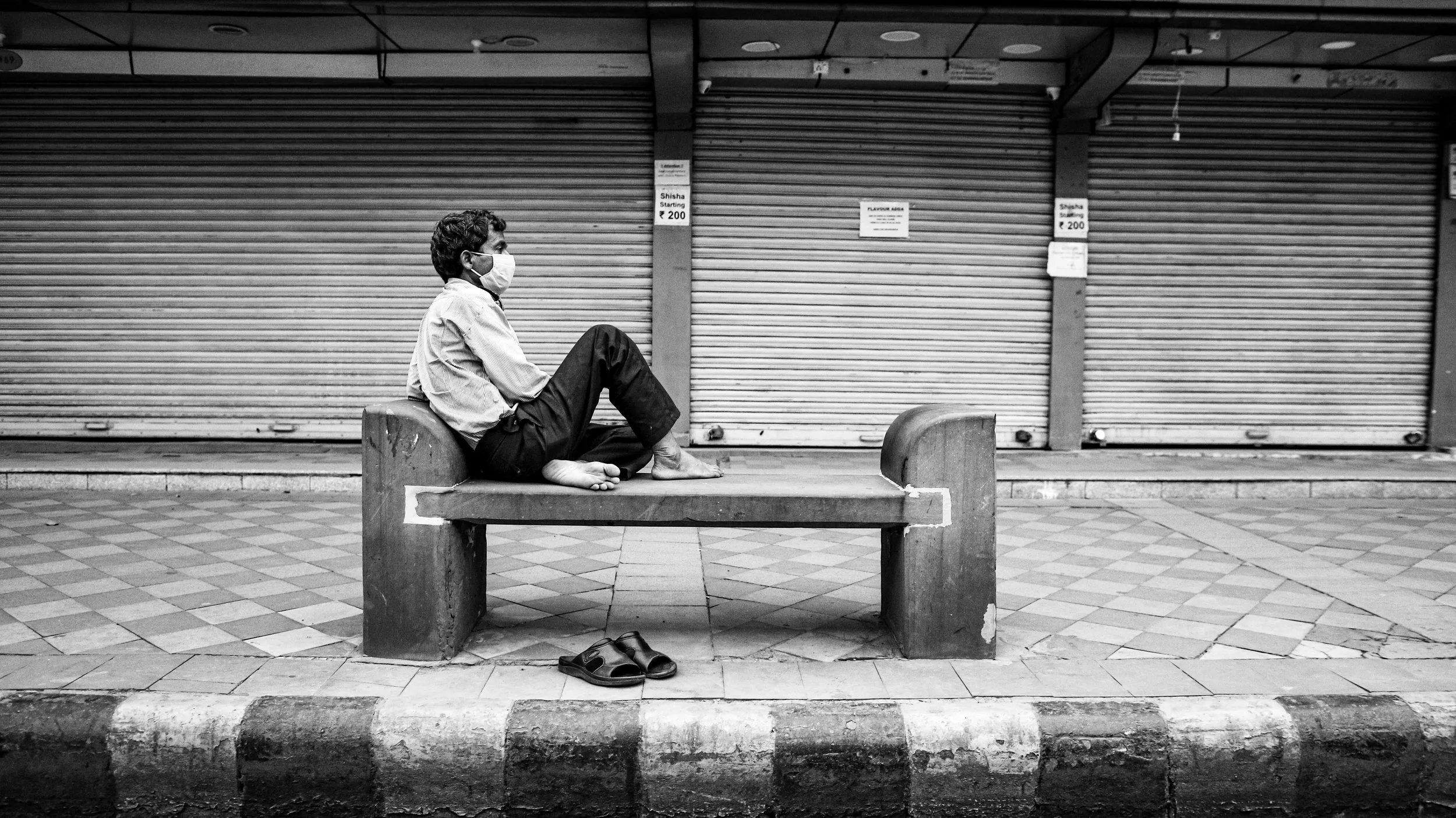
When the Body and the Economy Don’t Fully Recover- Photo credit Unsplash
Nearly five years after the world first shut down, COVID-19 has faded from the headlines — but not from our lives. The virus may have lost its emergency status, yet for millions of people and entire economies, recovery remains incomplete.
I know this firsthand. I contracted COVID years ago, and while I regained my health in most ways, I still haven’t fully recovered my sense of smell. What began as a passing symptom has turned into something far more enduring — a quiet, daily reminder that recovery doesn’t always mean restoration.
Losing one’s sense of smell seems trivial compared with the early tragedies of the pandemic, but it reshapes life in unexpected ways. The taste of food flattens. Memories anchored in scent — the comfort of a familiar perfume, the aroma of a favorite meal — disappear. Even safety feels uncertain when you can’t smell smoke, gas, or spoiled food. For many of us, this lingering loss is both physical and emotional.
In that way, my body mirrors something larger: our collective post-COVID condition. The global economy, too, is struggling with its own version of “long COVID.”
Inflation remains stubborn. Supply chains are still volatile. Many small businesses never reopened. Entire industries — healthcare, education, and the service sector among them — are contending with burnout, early retirements, and shifting labor patterns. Just as my body has adapted to a diminished sense, our economy is functioning, but not quite as it used to.
For individuals, health and economic stability are now intertwined more tightly than ever. Millions who developed long COVID live with chronic fatigue, brain fog, and reduced lung capacity — conditions that make sustained work difficult. A 2023 Brookings report estimated that long COVID could account for up to four million Americans out of work. Lost productivity translates into lost wages, and for families already living paycheck to paycheck, it can push stability further out of reach.
This has also deepened inequities. The very people who kept the country running during lockdowns — grocery workers, delivery drivers, healthcare aides — often had the least protection and the fewest benefits. Today, they face the longest road to recovery, both physically and financially. The pandemic may have been universal in reach, but it was unequal in impact.
Meanwhile, the cost of healthcare continues to climb. Insurance premiums are rising, mental health services are harder to access, and long COVID clinics are overwhelmed or underfunded. Public attention has shifted elsewhere, yet the demand for care has not diminished. For patients navigating chronic conditions, the system feels as strained and uncertain as ever.
Economists often speak of “recovery” as a clear return to growth. But what if, like a lingering virus, the real story is adaptation rather than return? COVID changed how we work, live, and value time. Remote work, flexible schedules, and the rethinking of productivity are part of a larger recalibration. Perhaps the truest measure of recovery isn’t output or profit margins, but resilience — how individuals and systems rebuild while accepting what’s been permanently altered.
For me, recovery means learning to live without a sense I once took for granted. For society, it may mean confronting the vulnerabilities the pandemic revealed: the fragility of our healthcare infrastructure, the precarity of work, and the thin line between personal wellness and national stability.
COVID-19 exposed a truth that policymakers too often treat separately: that public health is economic health. Every weakened worker, every family crushed by medical debt, every burned-out nurse or teacher contributes to a broader imbalance. The lesson is not merely about preparedness for the next pandemic — it’s about sustaining a system that doesn’t collapse when the next crisis hits.
We are, in many ways, a post-pandemic society still in rehab. The world moves on, but some of us — and some of our institutions — are still catching our breath. The recovery isn’t linear; it’s layered, uneven, and deeply human.
Every morning when I make coffee, I still can’t smell it. But I’ve learned to appreciate other senses — sight, touch, sound — with a new intensity. Maybe that’s the quiet gift buried in this long complication: the recognition that resilience, whether personal or collective, doesn’t come from returning to what was, but from finding meaning in what remains.