
A Rotten Society: When Trauma Becomes Entertainment
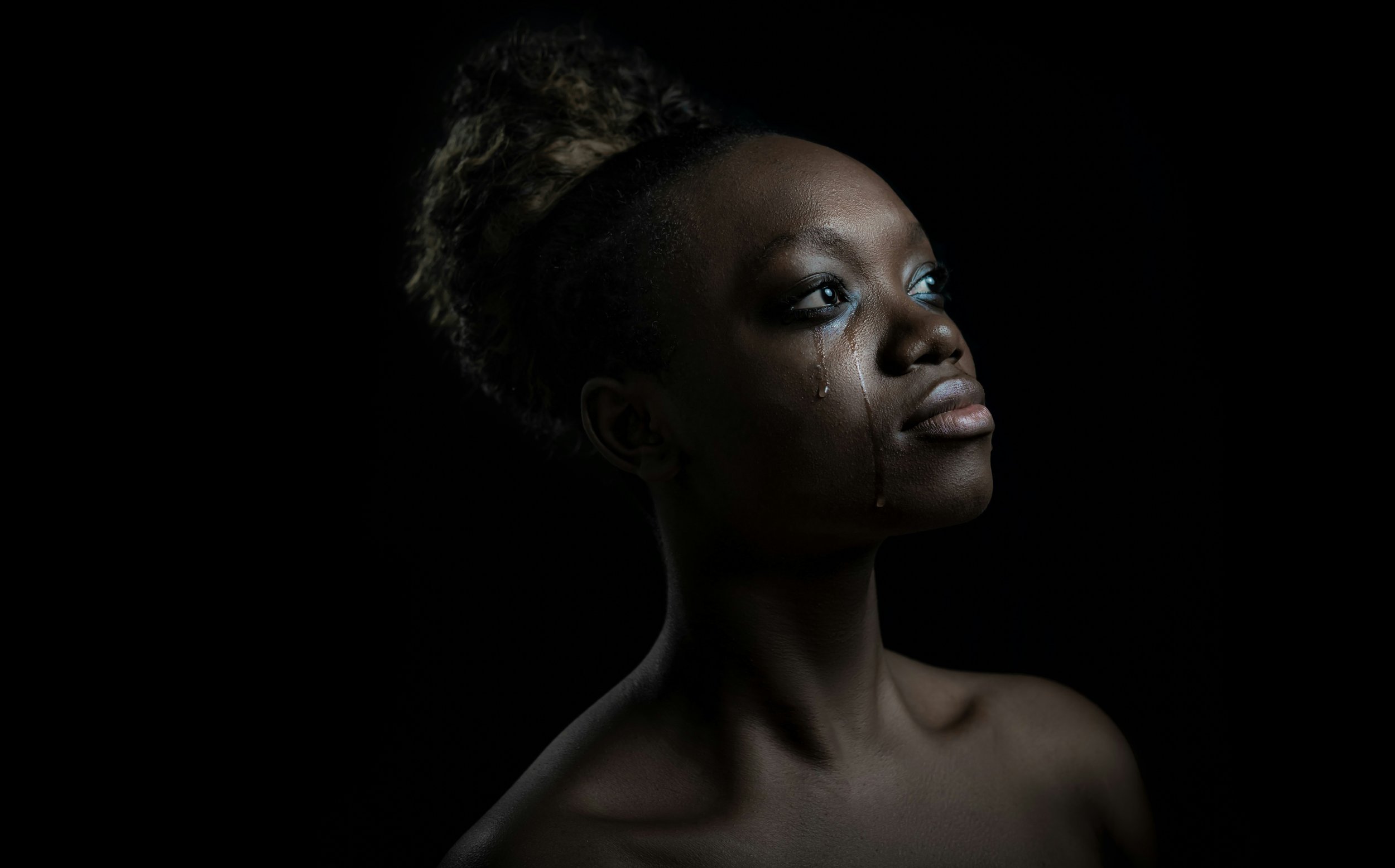
Photo credit- Unsplash
There is a peculiar kind of “celebrity” rising in Ghana: radio hosts who position themselves as counsellors, relationship experts, and moral guardians of the nation. They command massive followings, draw viewers and listeners from across the country, and have built entire shows around people narrating the most painful parts of their lives. What should be private, delicate and handled with skill has instead become public theatre. And without hesitation or shame, these victims — many of them have suffered domestic abuse, or people navigating psychological distress — are transformed into content before they even finish their stories.
The troubling part is not merely that this happens, but how easily we have accepted it.
A woman presents to describe the fear she feels living with a partner who threatens her. Before she finishes, the host and her panel interrupts with laughter, jokes, and teasing commentary. A man tries to speak about emotional abuse, only to be told he should “man up” because “a real man cannot be controlled by a woman.” Another caller confesses that she feels unsafe, lonely, and on the edge of despair, but the discussion quickly shifts into comedic relief for the entertainment of the listeners. In some studios, the mockery is deliberate; in others, it is disguised as “tough love.” In all cases, the outcome is the same: trauma is mined for amusement.
The disturbing truth is that domestic violence in Ghana is not an occasional headline — it is a silent epidemic. According to the Domestic Violence and Victim Support Unit (DOVVSU), more than 18,000 domestic violence cases were recorded within a single year, and experts estimate that many more go unreported for fear of retaliation, social stigma, or the belief that seeking help is futile. The UNFPA reports that nearly one in three Ghanaian women will experience intimate partner violence at some point in their lives. Yet our most mainstream platforms for public dialogue increasingly treat abuse as casual entertainment, as though victims are coming in merely to spice up the playlist between advertisements.
These radio hosts operate without training in mental health, trauma support, or conflict resolution. They are neither counselors nor social workers, yet they guide public opinion on the most sensitive human experiences. They wield microphones as though they were medical instruments, diagnosing, advising, and reprimanding victims with confidence that often far exceeds both their expertise and their empathy.
This phenomenon reflects something more troubling than unprofessional broadcasting. It reveals a society that has become desensitized to pain — a place where people can listen to accounts of assault or emotional abuse, laugh casually, and proceed with their day as though nothing serious has just been shared. When trauma becomes background noise, when suffering is digested as entertainment, something fundamental in the moral structure of society begins to unravel.
Part of the challenge is cultural. For decades, many homes and communities treated domestic violence as a family matter, not a crime. People were taught to endure, not to speak. Women, in particular, were raised to believe that preserving a marriage was more important than preserving their own safety. In such a context, appearing on a radio show may seem like an act of courage — a step toward seeking help from a system that has historically dismissed their pain. But when the response is mockery or casual trivialization, the damage deepens: not only is their suffering ignored, it is publicly belittled.
There is another layer to this crisis, one that often goes undiscussed. Many of these radio programs cultivate humor in a way that quietly signals to listeners that violence is not just normal, but even excusable. When hosts laugh at victims describing physical abuse, the message is unmistakable: this is not serious, and neither should you treat it as such. The ripple effects can be profound, especially in a country where many people form their moral and cultural understanding from these programs.
And yet, it does not have to be this way. The media in Ghana holds enormous influence, and with that influence comes the ability to reshape conversations rather than distort them. Radio stations could invite trained counsellors, lawyers, social workers, and psychologists to join their programs. They could craft guidelines to ensure survivors are treated with dignity. They could educate the public on the signs of abuse, the legal pathways for protection, and the societal support systems available — even if those systems are limited and underfunded.
But that requires intention, discipline, and a sense of responsibility that goes beyond ratings or entertainment value.
What we need now is a shift in how we understand compassion in public spaces. Abuse stories should not be treated like plot twists in a soap opera. Survivors should not be mocked, interrogated, or shamed for situations that already threaten their safety. And the media should not allow its platforms to normalize harm — not through laughter, not through carelessness, and not through silence.
Domestic violence is a rising national crisis. And until we begin to treat it with the seriousness it demands, the wounds within our society will continue to deepen, quietly and continuously.
If Ghana wants to build a healthier, safer society, it must start by respecting the dignity of those who have already endured too much. It begins with the simple act of listening — not to laugh, not to mock, not to diminish, but to understand. And perhaps, to change.
Because a society that turns trauma into entertainment is one moving dangerously toward moral decay, and the sooner we confront that reality, the sooner we can begin to heal.