
When the Men With No Hair Make the Rules About Hair
Photo credit- Unsplash
There seems to be an unofficial national conference in Ghana, one attended almost exclusively by bald men, dedicated to deciding how young girls should keep their hair. The enthusiasm is remarkable. Every few years, the group reconvenes to re-argue the same point: whether schoolgirls should shave their heads, braid their hair, or simply exist without triggering a public inquiry.
A few years ago, we witnessed this same spectacle when Achimota School denied admission to students because of their “rasta” hair, a moment that displayed, in full daylight, how comfortably discrimination can dress itself as discipline. I had hoped that experience would settle the matter once and for all, but clearly, we are a nation that struggles to learn from its own debates.
So here we are again, listening to voices who speak with extraordinary confidence about what constitutes neatness, order, and discipline for schoolgirls whose realities they no longer share and whose futures they may not fully understand.
It also raises a larger, uncomfortable question. Why, in a country confronted by deep educational and gender-based challenges, does hair repeatedly become a national priority? The answer is both cultural and structural and reveals something about how societies cling to symbolic issues when the substantive ones feel too difficult to address.
Throughout our postcolonial history, hair has carried a weight that goes beyond aesthetics. It has been tied to ideas of order, respectability, “proper upbringing,” and conformity. Much of this thinking descends not from indigenous tradition, but from colonial schooling systems that enforced Eurocentric norms under the banner of discipline. Those standards, long outdated elsewhere, continue to shape policies in parts of Africa, where natural hair is still treated as something that requires managing, controlling, or cutting to make it “acceptable.”
The persistence of this thinking might be harmless if it did not obscure more urgent concerns. While we argue over hair, thousands of children still attend school under trees. Some schools lack textbooks, functioning laboratories, libraries, or trained teachers. Many girls miss class every month because they cannot afford sanitary pads. Others drop out entirely due to early marriage, teenage pregnancy, or harmful practices that cut their childhood short. These realities are not hypothetical. They are measurable, documented, and pressing. Yet hair remains the recurring subject of public debate.
Part of the problem is that discussions about hair offer something emotional and immediately accessible. They are easy to argue about. They require no data analysis. They evoke nostalgia — people defending the rules they grew up under or insisting that what shaped them should shape the next generation. It is simpler to declare that haircuts instill discipline than to confront the structural inequalities that undermine students’ lives. But convenience should never be confused with relevance.
The notion that shaving girls’ heads builds character is a particularly fragile argument. Discipline cannot be reduced to uniformity, nor can academic focus be cultivated through forced conformity. What hair rules often do instead is reinforce the idea that a girl’s body belongs more to institutional authority than to herself. Policies created decades ago, often by committees that did not include a single woman or child psychologist, continue to dictate the bodily autonomy of students who deserve more thoughtful consideration.
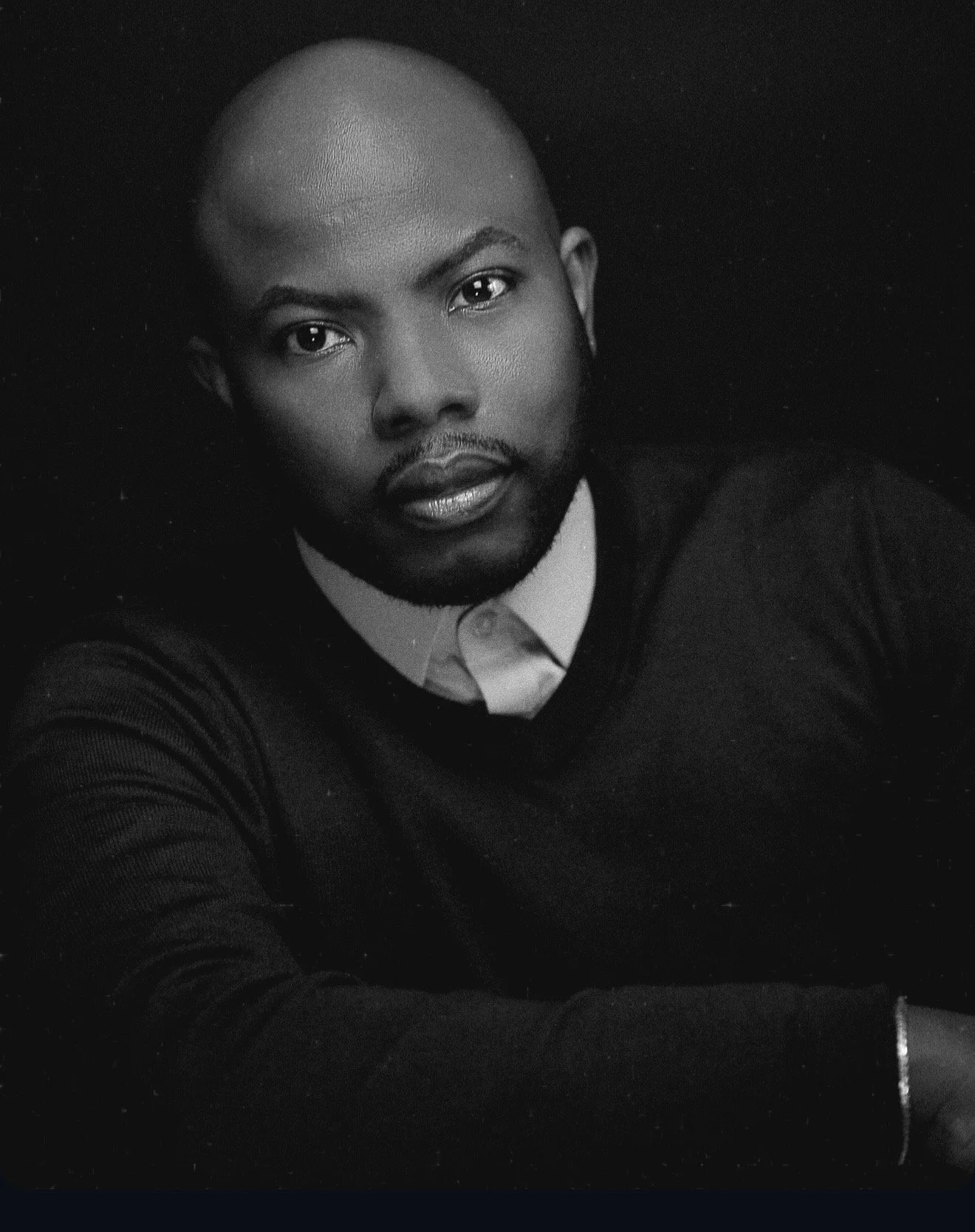
There is an irony in the fact that many of the voices advocating strict grooming standards for girls are male voices — often men who have no lived experience with the realities of caring for natural hair, and in some cases, no hair at all. This irony is not just humorous. It is symbolic of a deeper dynamic: decisions about girls’ bodies are frequently made without girls’ perspectives, mothers’ experiences, or the input of professionals who understand adolescent development. In any progressive society, such exclusions raise both ethical and practical concerns.
Meanwhile, the world around us is changing at a pace that renders these debates even more misplaced. Students elsewhere are being taught robotics, coding, climate science, critical thinking, and global citizenship. They are encouraged to ask questions and challenge outdated norms. In such a context, it feels increasingly odd that Ghanaian girls are still being told their success depends on the length of their hair.
What would it look like to reimagine this conversation entirely? Instead of policing hair, schools could invest in teaching girls how to care for it — integrating natural hair maintenance into broader lessons on hygiene, self-esteem, and personal presentation. These are practical life skills, not vanity. They build confidence. They foster independence. They prepare girls to enter a world where how they present themselves is part of professional and social navigation. This, rather than compulsion, would be a more meaningful form of discipline.
But beyond haircare, the real work lies in reordering our priorities. Girls in Ghana and across many parts of Africa face systemic barriers to education that have nothing to do with style or grooming. Policies that ignore these barriers while fixating on appearance are, at best, misplaced and, at worst, harmful. They divert attention from the pressing work of improving access, safety, infrastructure, and equity in education.
The hair debate matters not because hair itself is important, but because it highlights how quickly we can become distracted from the true work of improving lives. It is easier to enforce a haircut than to ensure a girl has access to hygiene materials. It is simpler to lecture about uniformity than to address child marriage or gender-based violence. It is more convenient to argue about neatness than to rebuild dilapidated classrooms or expand technology access.
In the end, the debate over hair is not really about grooming at all. It is about power, priorities, and the stories we tell ourselves about what makes a good student. It is about whether we want an education system that shapes children into compliance, or one that prepares them to think, question, and lead. It is about whether we are willing to let outdated rules go when they no longer align with the aspirations we claim to hold for the next generation.
When men with no hair are still making the rules about girls’ hair, it may be time to ask ourselves who education is supposed to serve — the comfort of the adults, or the futures of the children.
And until we can answer that honestly, we will keep trimming what does not matter while ignoring what does.