
When Rain Becomes a Threat: Ghana's Flood Crisis Is a Shared Responsibility
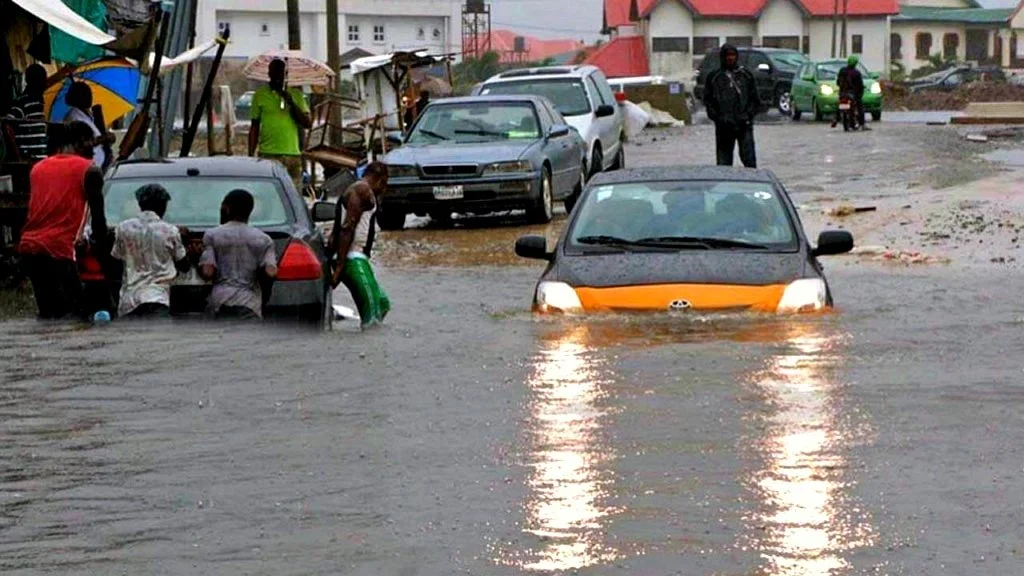
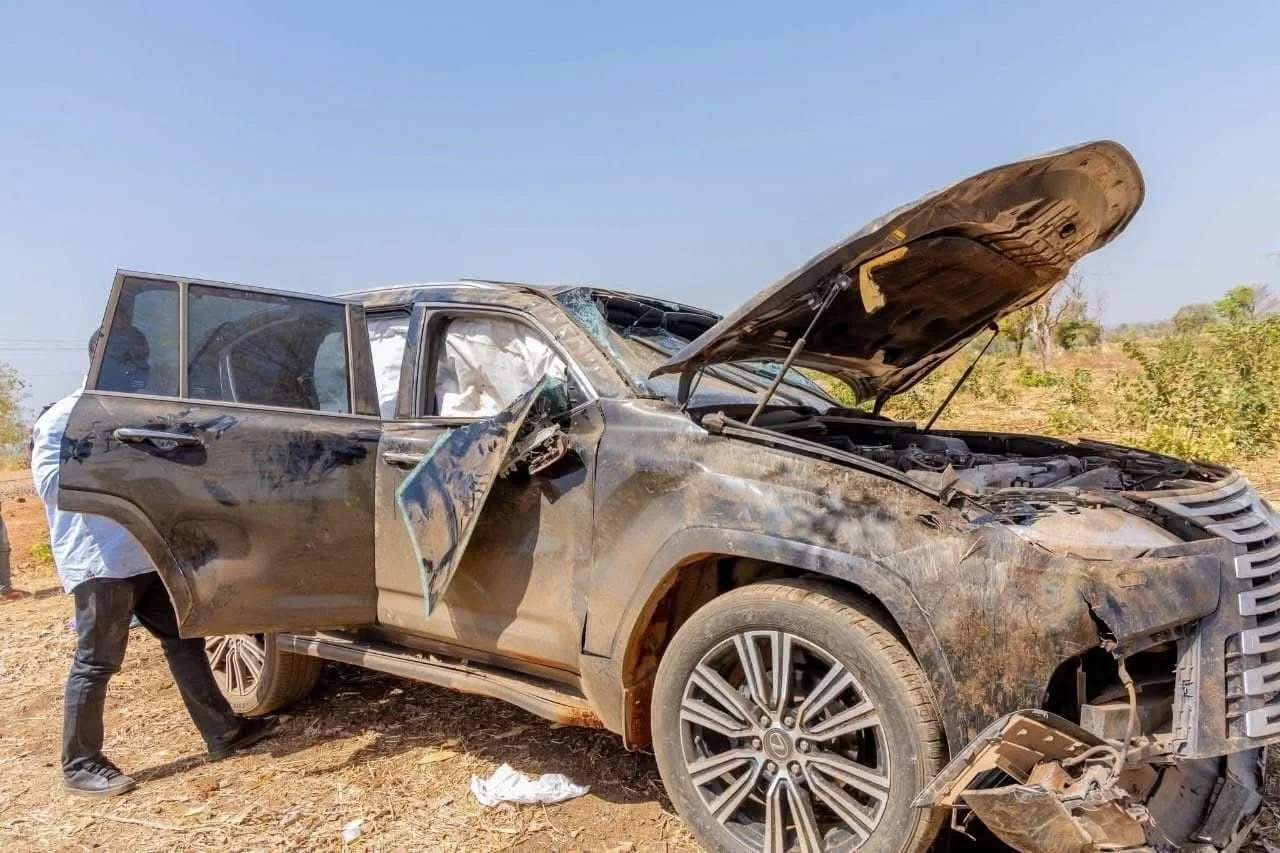
Photo by The Whistler NG.
Accra, Ghana- When dark clouds gather over Ghana's cities, panic follows. Commuters abandon vehicles in gridlock, traders close shops hours early, and families rush to salvage belongings. In recent times, this growing phenomenon has claimed more lives. From Accra's affluent suburbs to Kumasi's inner markets, flooding no longer discriminates by income. A single downpour turns streets into rivers and homes into disaster zones, raising an uncomfortable question: If wealth cannot buy safety from the rain, what exactly are Ghanaians paying for?
The annual floods have become a national pattern, but the weather alone is not to blame. For years, government agencies have faced criticism for poor drainage, weak enforcement of building codes, and permits issued for structures built in waterways. Those failures are real. Yet interviews, field observations and a decade of data point to a harder truth: Citizens bear responsibility too.
How do buildings rise on natural drains and wetlands? How does household waste find its way into gutters the moment the rain begins? Has "never again" remained just that, a quote with little recourse for the more than 150 lives claimed in the June 3, 2015, flood-and-fire disaster at Accra's Kwame Nkrumah Circle, for the injured victims who to date still struggle to meet their medical needs, or for the thousands who were displaced?
Over the past two decades, rapid urbanization has replaced soil with concrete and tile, leaving rainwater nowhere to seep. At the same time, limited recycling and poor waste disposal allow plastics and refuse to choke the few drainage channels that remain. In 2014, the government launched National Sanitation Day, designating the first Saturday of each month for cleanup. A decade later, flood incidents have not declined, they have intensified.
Climate change is shifting rainfall patterns and increasing their intensity, but experts agree that human activity is amplifying the impact. Filled catchment areas, unplanned settlements and daily littering have turned ordinary rain into extraordinary loss.
The human cost is measurable. Each rainy season brings destroyed property, lost livelihoods for traders, disrupted schooling for children and, in the worst cases, deaths. Yet after desilting exercises, waste is often left roadside, only for the next rain to wash it back into the drains. Task forces rarely prosecute those caught dumping refuse during downpours.
Meanwhile, questions persist about which authorities approve construction in unauthorized locations, and whether town planning is keeping pace with Ghana's expanding communities.
Some Ghanaians interpret the floods as divine judgment. But Genesis 9:11 records God's covenant: "Never again will all life be destroyed by the waters of a flood." For many faith leaders and environmentalists, that promise is not license for negligence, it is a call to stewardship.
As the rains return this year, the challenge is clear. Ghana must enforce planning laws, restore wetlands, invest in drainage and make recycling viable. But the first line of defense remains attitudinal change, among households, businesses and builders.
The rain will come. Whether it brings life or loss will depend less on the clouds above than on the choices made on the ground.
Read Also