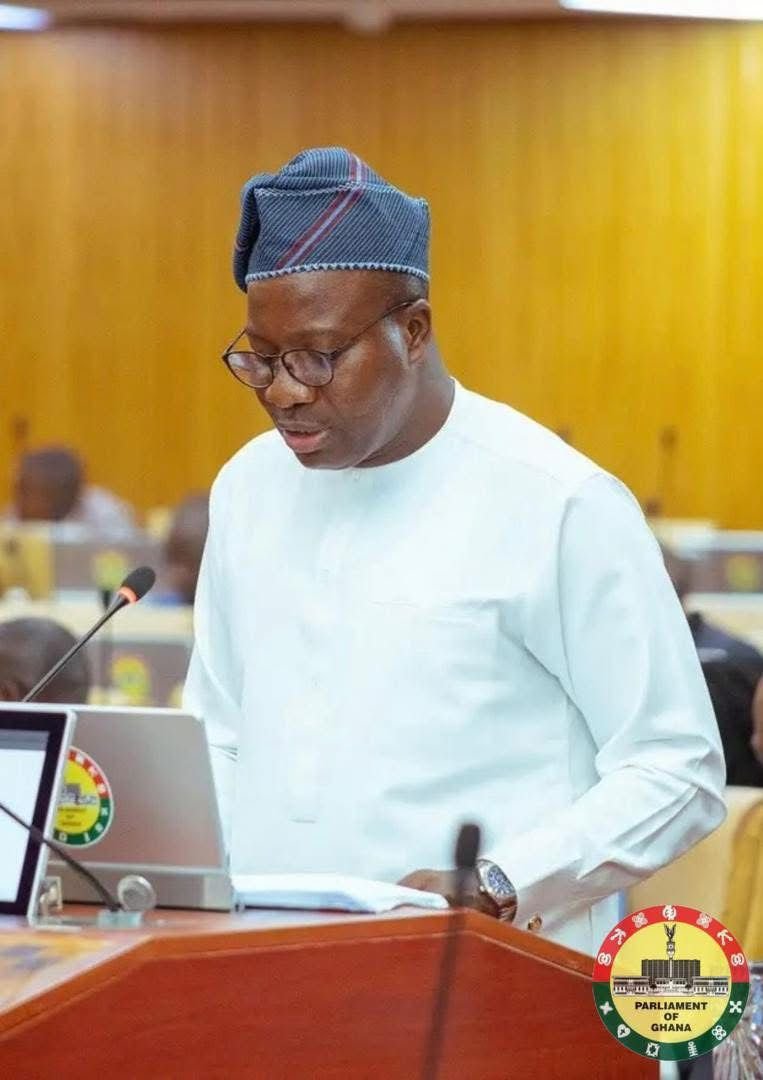

Transport Minister Joseph Bukari Nikpe Defends Decision to Rename Kotoka International Airport
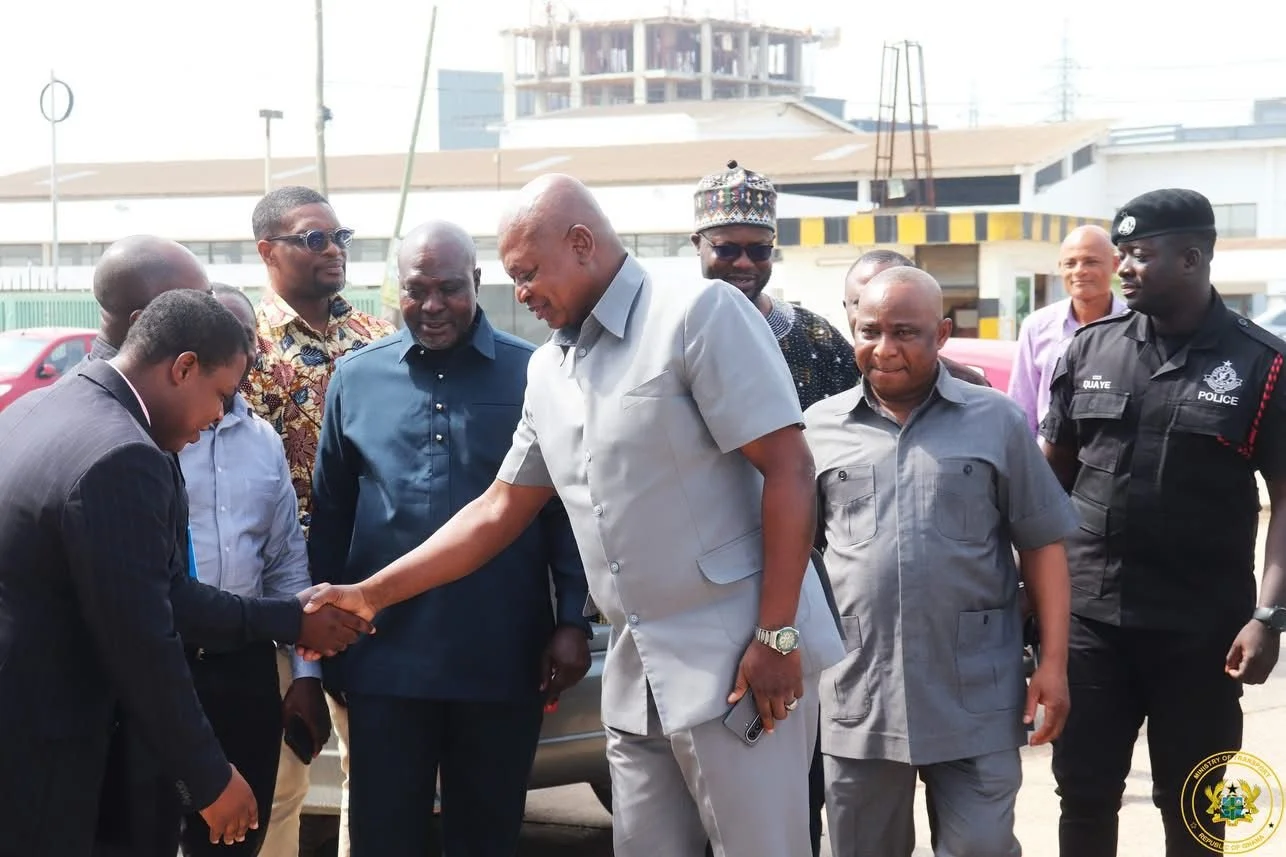
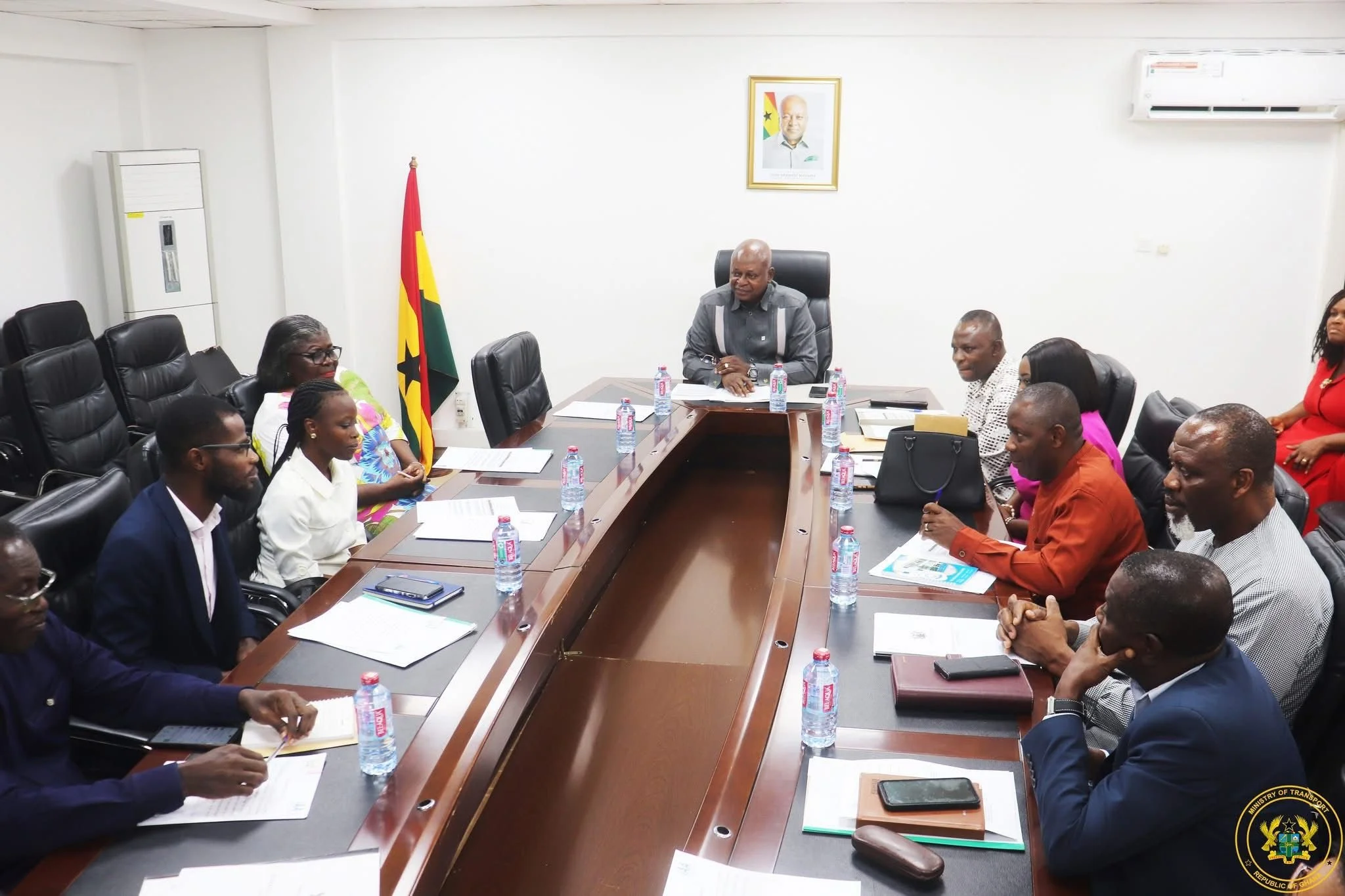
Ghana’s Transport Minister Joseph Bukari Nikpe pays a working visit to the intercity STC Coaches Head Office in Accra.
Accra, Ghana- The government’s recent announcement to rename Kotoka International Airport to Accra International Airport has sparked widespread debate across radio, television, and social media, with strong opinions emerging both for and against the decision.
Speaking to the press, Joseph Bukari Nikpe, the Minister for Transport, defended the move as a return to Ghana’s historical roots rather than a political gesture. He explained that the airport was originally known as Accra International Airport before it was renamed after General Emmanuel Kotoka following the 1966 coup.
According to the minister, the facility began as a British Royal Air Force base during World War II and was later converted into a civilian airport under Ghana’s first President, Dr. Kwame Nkrumah. He said the name “Accra International Airport” reflects Ghana’s capital city and its role in the country’s independence history and African identity.
Mr. Nikpe stressed that the renaming is not intended to target any individual or reopen old political wounds. Instead, he said the decision is based on geography and international practice, noting that many countries name their main airports after their capital cities, such as Addis Ababa International Airport and Nairobi International Airport.
“We are not doing this with any political thinking. We are doing this from a neutral point of view that Accra is our capital city,” he said, adding that the bill will go through full parliamentary processes, including debate and public explanation of its historical importance.

An old file has emerged on social media showing Ghana’s airport as Accra Airport in 1969, before it was renamed Kotoka International Airport.
Supporting the renaming, a leading member of the Movement for Change, Solomon Owusu, described the decision as long overdue. He argued that naming the country’s main airport after General Kotoka sends the wrong message to tourists and younger generations who associate Ghana’s history with Dr. Kwame Nkrumah and the struggle for independence.
Mr. Owusu questioned the relevance of Kotoka’s legacy, stating that his most notable historical act was participating in the overthrow of Nkrumah. He said this contradicts Ghana’s celebration of its independence hero and confuses visitors who come to learn about Nkrumah’s leadership and Pan-African legacy.
He compared Ghana’s situation to that of other African countries that have named airports after leaders who fought for freedom, such as Murtala Muhammed International Airport in Nigeria and Oliver Tambo International Airport in South Africa. According to him, national monuments should honour figures who advanced liberation and unity rather than military figures associated with coups.
However, opposition to the proposal has continued to mount, with the Volta Regional Commissioner of the National Development Planning Commission (NDPC), Dr. Elikplim Kwabla Apetorgbor, issuing a strongly worded press statement rejecting the renaming.
Dr. Apetorgbor described the proposal as a “misplaced policy priority” and urged Parliament and the general public to resist it in the national interest. He questioned what practical problem the renaming would solve, noting that Ghana is currently facing serious economic pressures, including rising public debt and limited fiscal space.
“In a time of fiscal strain and pressure on public investment, the absence of any clearly defined economic, operational, or financial justification makes this proposal deeply concerning,” he stated.
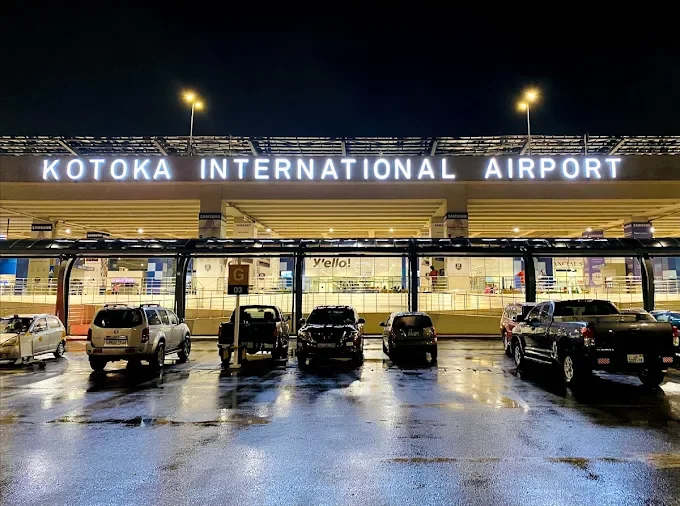
Kotoka International Airport
He further argued that international airports worldwide are often named after prominent national figures, and that such names coexist with efficiency and global recognition. According to him, Kotoka International Airport is already firmly embedded in international aviation systems and changing its name would not improve safety, connectivity, or passenger experience.
As the debate continues, the proposed renaming has become a flashpoint for wider discussions about national identity, historical memory, economic priorities, and governance. While government officials and some political actors see the move as symbolic progress, critics argue that Ghana’s limited resources should be directed toward reforms that deliver tangible improvements in aviation, infrastructure, and economic growth.
Parliament is yet to formally debate the bill, but public opinion remains sharply divided, with the renaming of Kotoka International Airport now standing at the center of a broader national conversation about priorities and policy direction.
Read Also