

Accra Commuters Face Severe Bus Shortages and Long Queues.
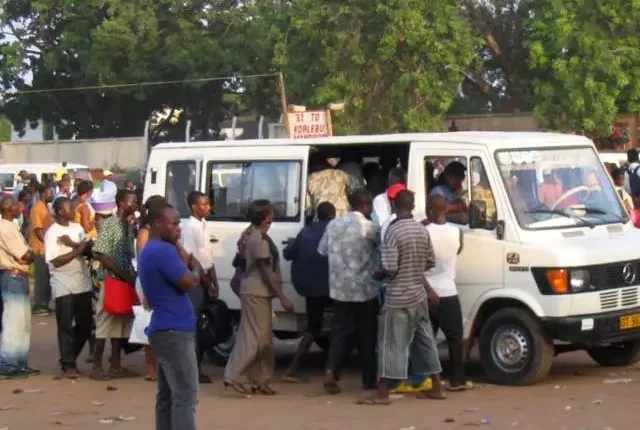
Endless queues at terminals as commuters struggle to get home.
Accra, Ghana- Accra’s transportation challenges continue to place heavy burdens on commuters, as long queues, limited bus service, and unpredictable wait times dominate daily travel across the city. For many residents, getting to work or school has become a frustrating routine marked by delays and overcrowding.
In recent weeks, major news channels have reported long lines at Circle, Kaneshie, Madina, and Tema, where commuters often wait several hours to secure a bus. Some residents say the system has become too unreliable and continues to affect productivity and punctuality.
Speaking on the Citi Breakfast Show, monitored by DM Media Online, the Acting Managing Director of the Greater Accra Passenger Transport Executive, Awudu Dawuda, explained that the organization inherited a system already struggling. He stated, “When I took over, we were left with only 80 buses out of the 245 buses that the government procured in 2016.” He also clarified that although the buses were meant for Accra, “60 were taken to Kumasi, 10 to Takoradi, and another 10 to Tamale at the behest of the then Ministry of Transport.”
He added that steps have now been taken to reclaim some of these buses for Accra’s use. According to him, “When I took over, I wrote to the people in charge of the buses in Kumasi, and approval has been granted for us to add the 60 buses there to the ones we have in Accra.” He further revealed the poor condition of many vehicles left in the city, saying, “Close to 60 of the buses were parked because they were broken down. What we did was to repair them through our own means to get them back on the road.”
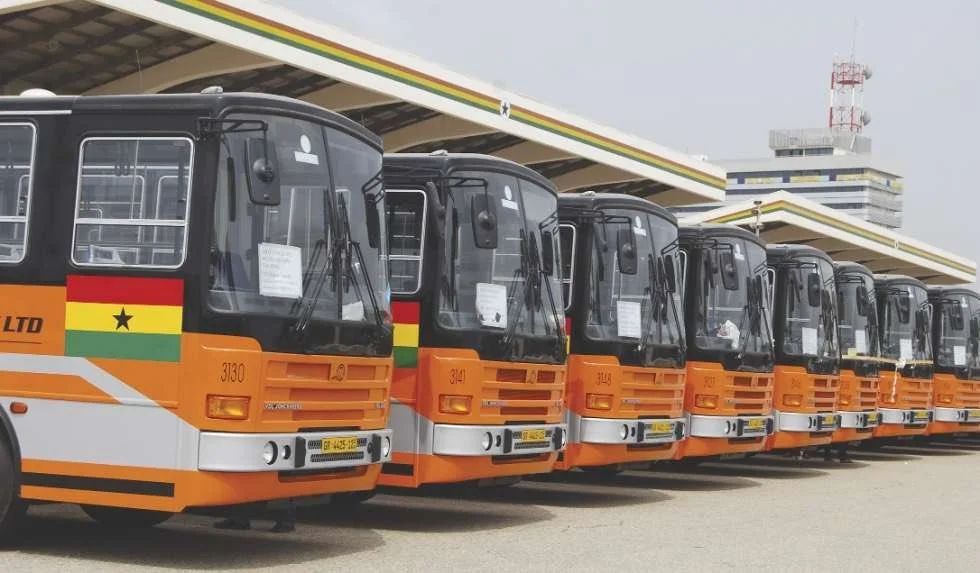
Metro Mass deployed more buses in Accra on Jan 14 2025 to help deal with congestion and fare hikes by private commercial bus operators.
Senior Partner at AB and David Africa, David Ofosu-Dorte, explained to Citi Newsroom that, “Two things are very key for any urban transport service to work well: who controls terminals and who controls transit stops. Every vehicle must stop for passengers to board or alight.”
He believes the current arrangement has undermined accountability. According to him, “At a point, we handed over the control of these terminals to the GPRTU, and that is where the fight began. When a cartel controls terminals, it becomes difficult to improve quality and operate on schedules.”
Read Also
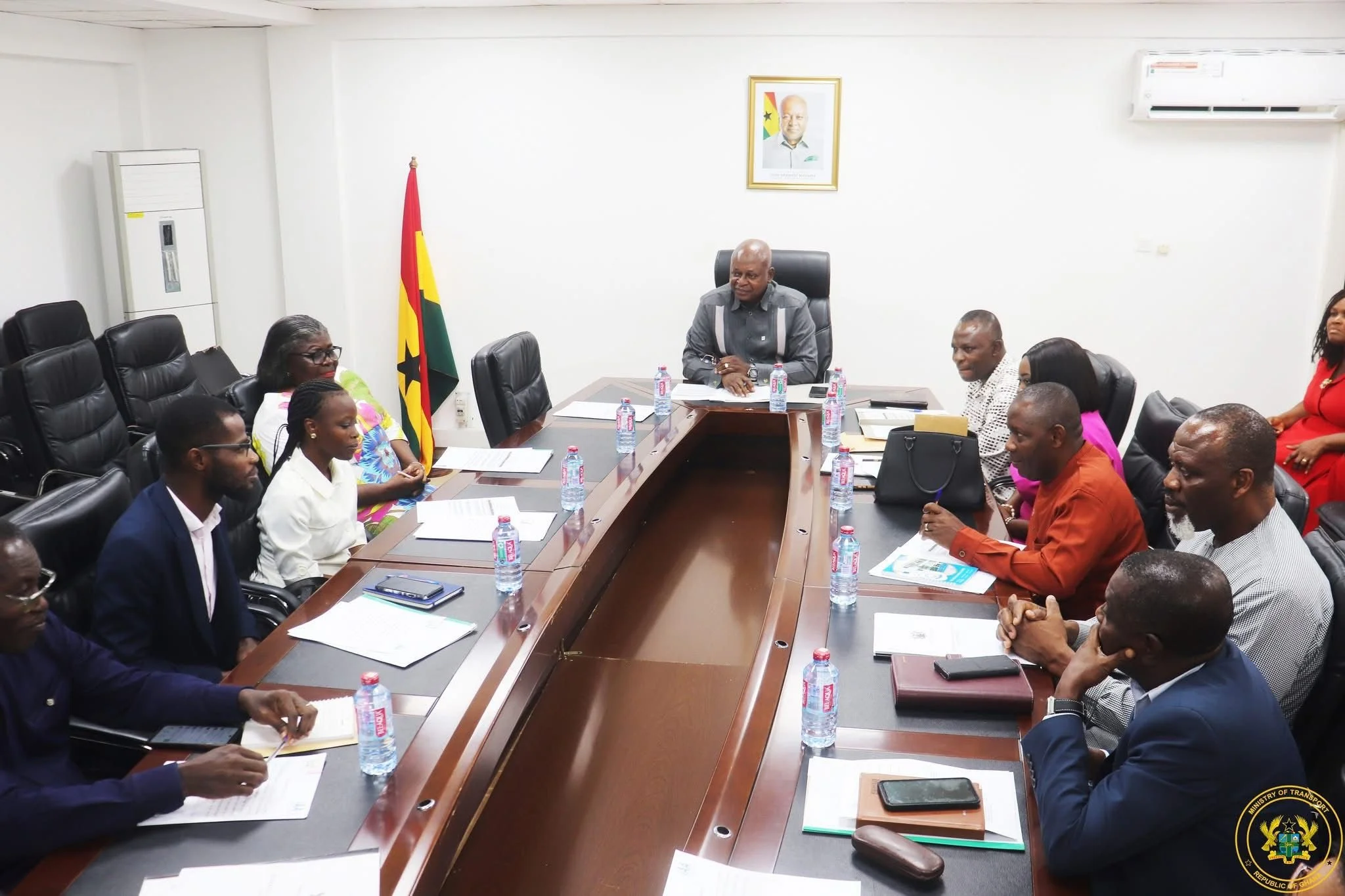
Transport Minister Joseph Bukari Nikpe says Boankra Inland Port Phase One is 83% complete as government pushes concessionaire for earlier delivery.
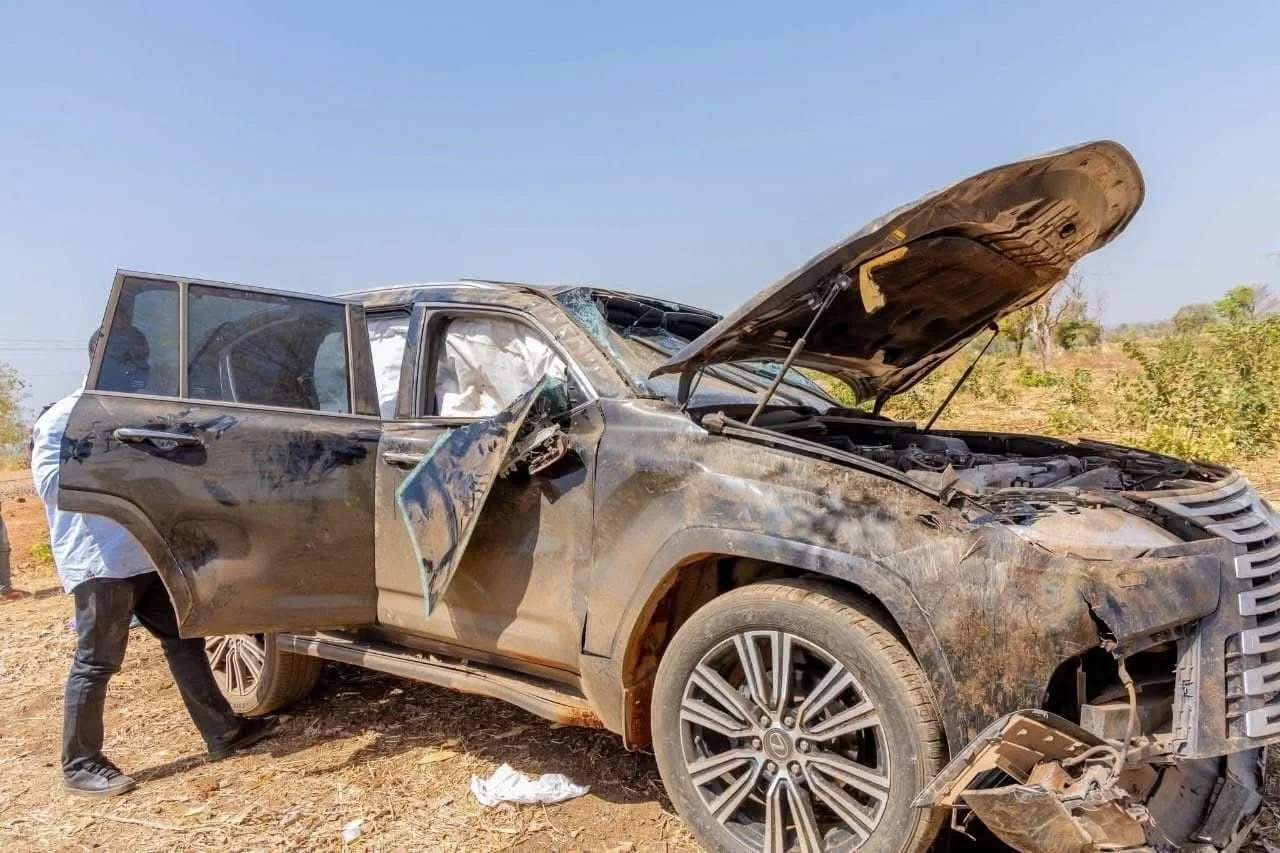
Education Minister Haruna Iddrisu and Deputy Communications Minister Mohammed Adams Sukparu involved in Bolgatanga–Tumu road accident; both stable.
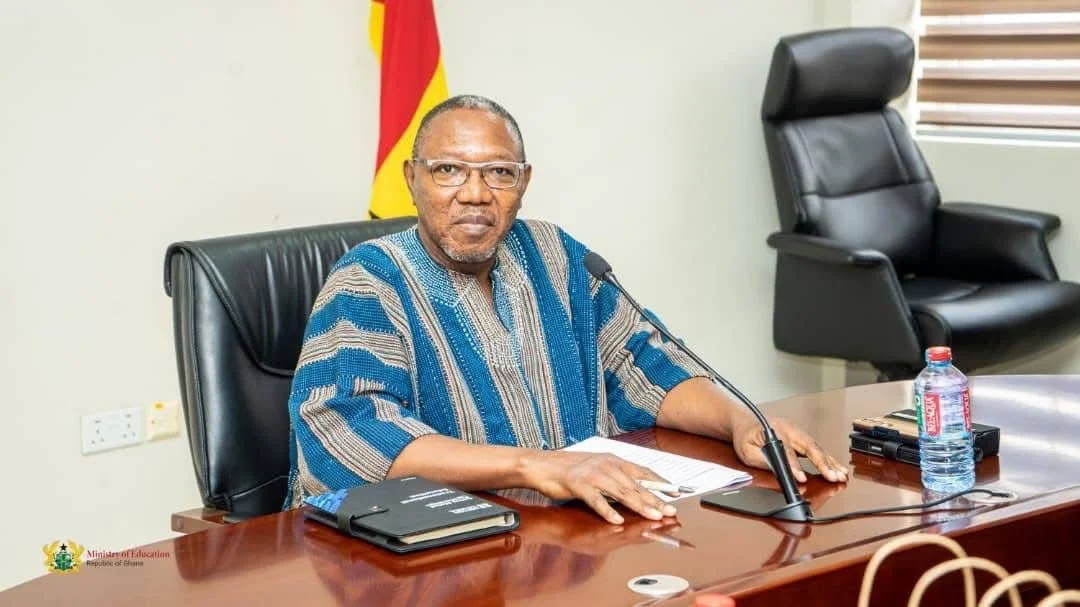
Two students arrested over Eastern Region rape and stabbing incident; GES bans three senior high schools from sports activities for two years.
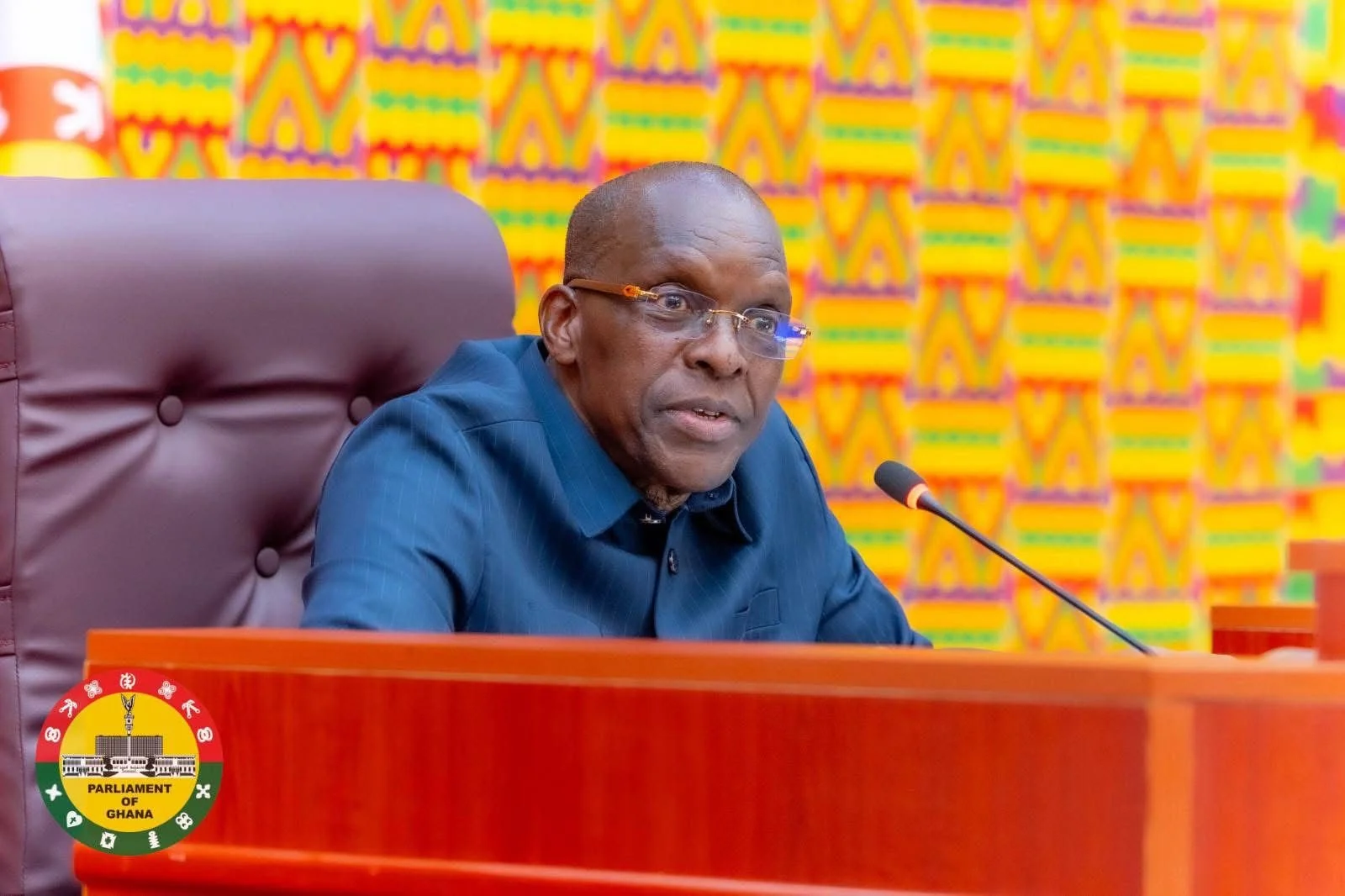
Speaker Alban Bagbin directs reintroduction of the anti-LGBTQ bill and dual citizenship amendment as Parliament prepares for renewed debate.
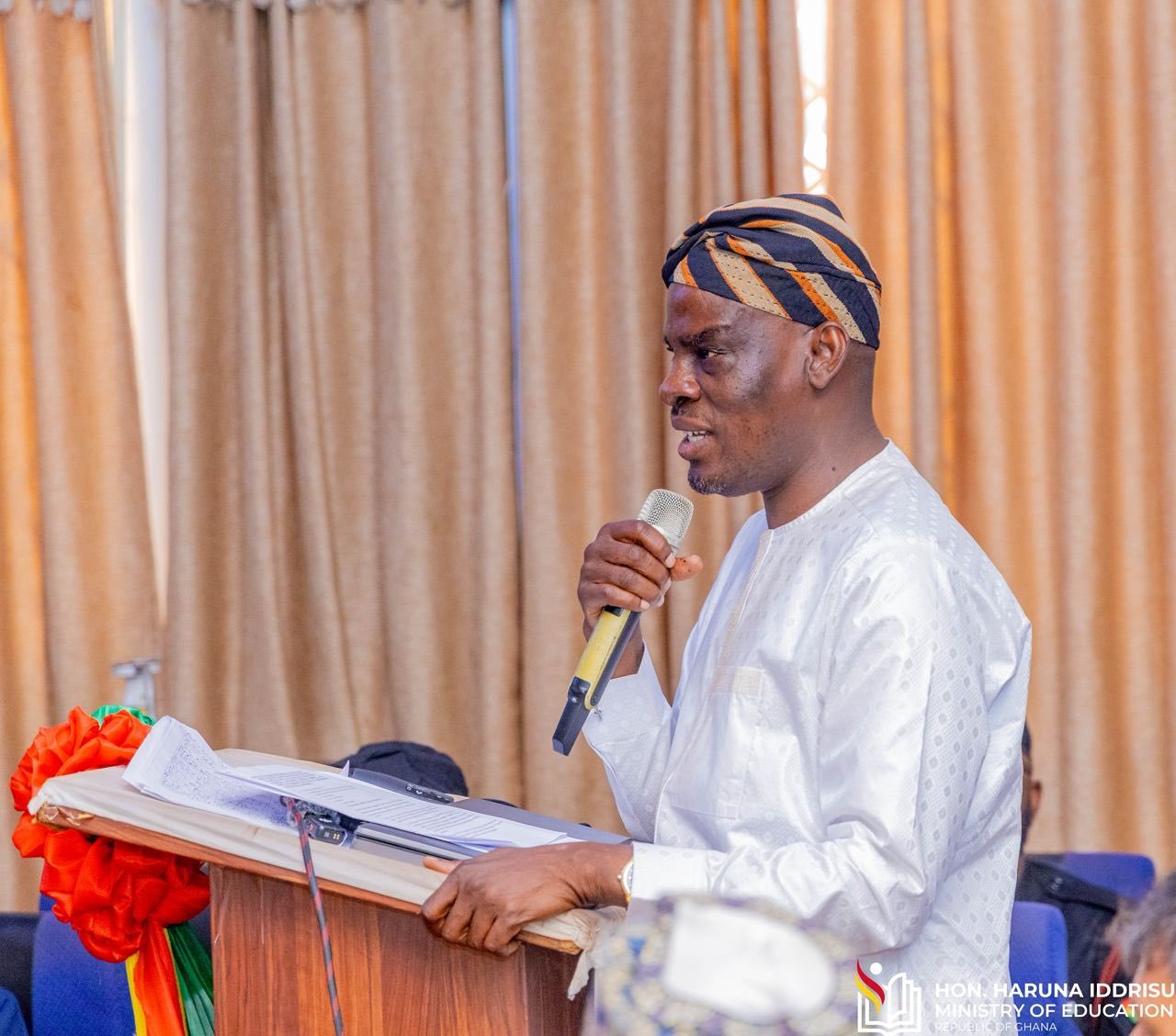
Education Minister Haruna Iddrisu urges UTAG and senior staff to end strike action, citing GH¢396m paid toward Tier Two pension arrears.
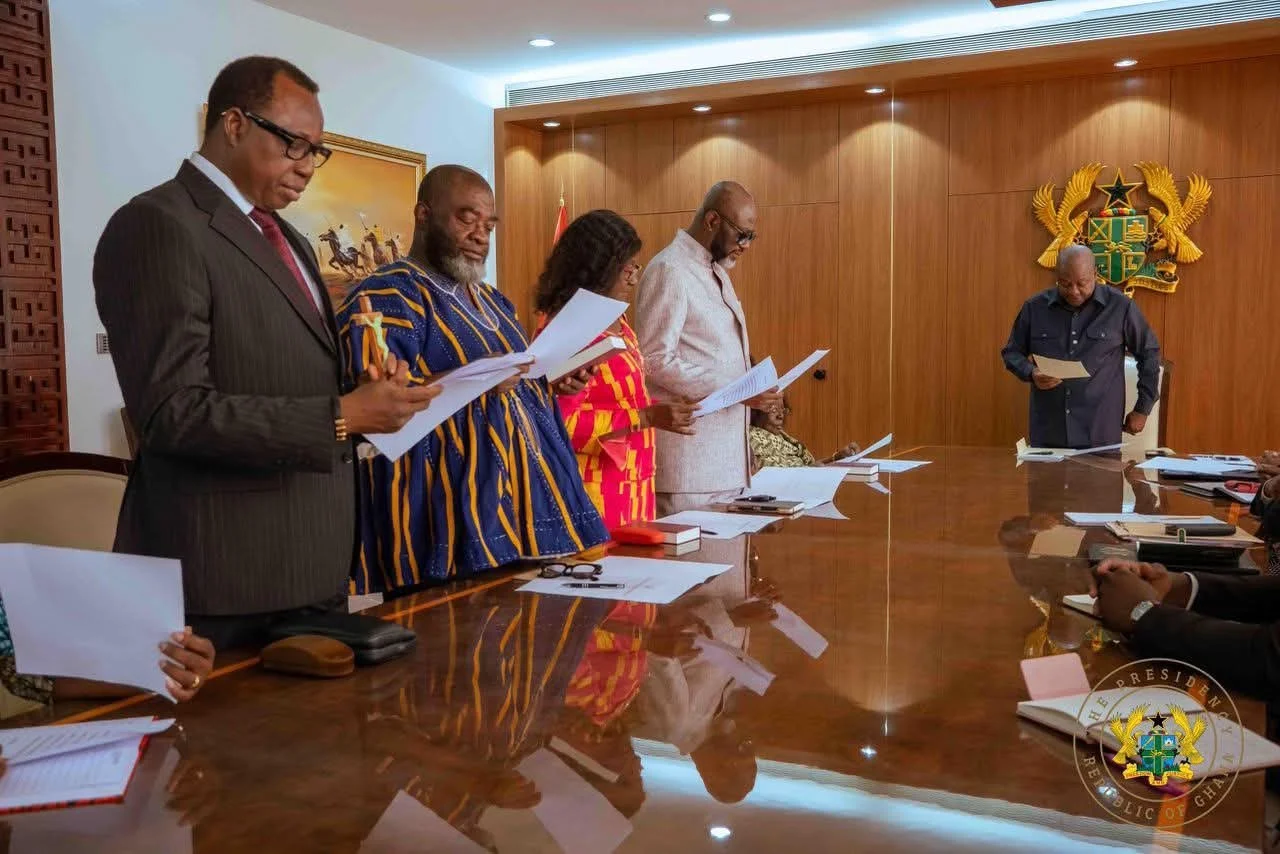
President Mahama swears in APRM Governing Council as Ghana prepares for second-generation peer review at the African Union Summit in Addis Ababa.
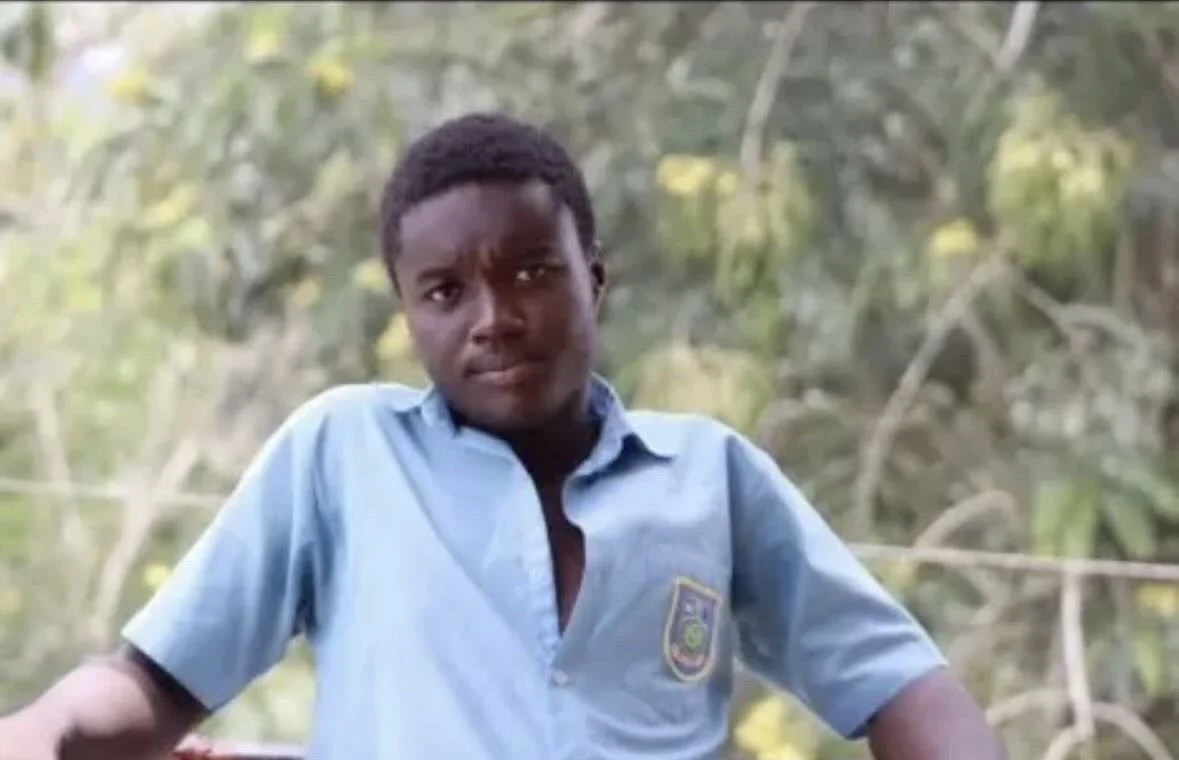
KNUST has confirmed the death of a second-year Agribusiness student after he reportedly fell from a hostel in Ayeduase. University authorities say police investigations are ongoing as counselling support is deployed for affected students.
Ghana’s Parliament has passed the 24-Hour Economy Authority Bill, providing legal backing for the NDC’s flagship policy aimed at job creation, industrial revival, and economic transformation.
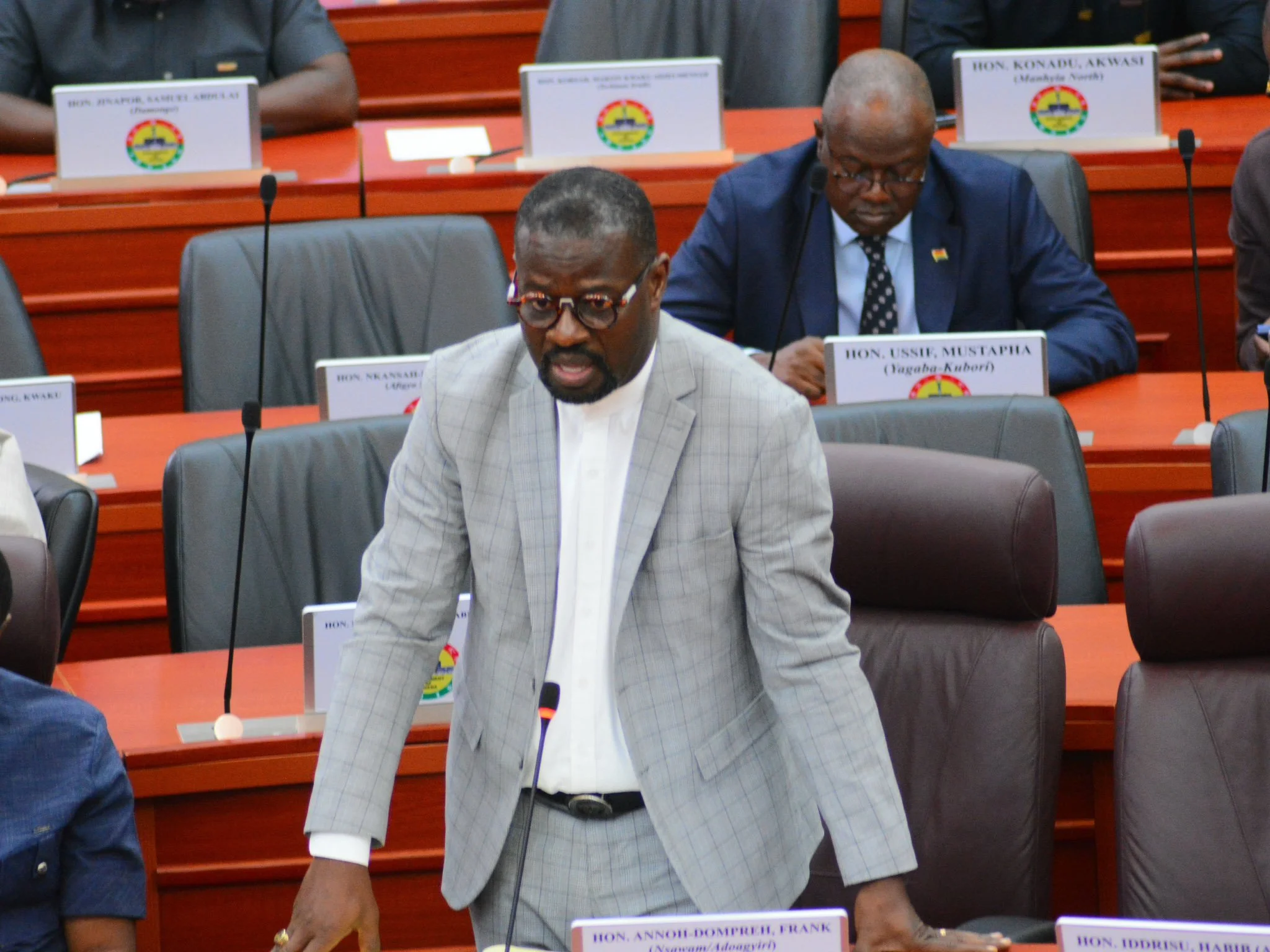
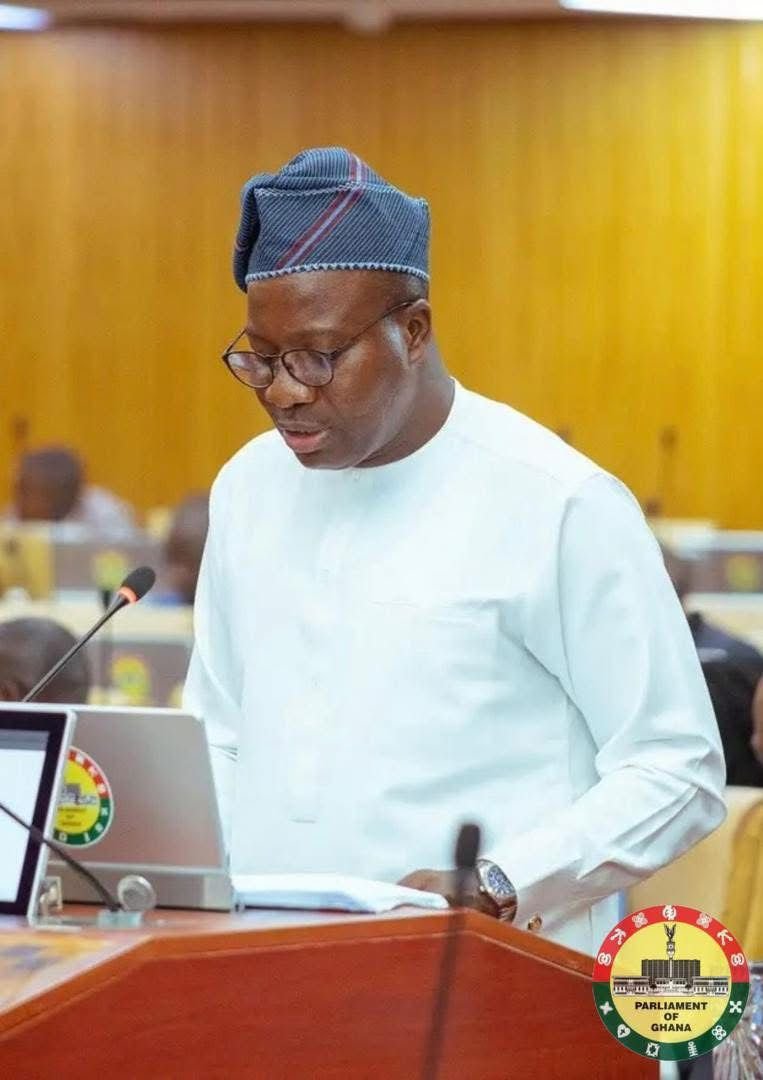
Ghana’s Minority Chief Whip Frank Annoh-Dompreh warns Parliament that rising food prices are pushing the cost of living beyond reach for ordinary households, urging urgent government action.
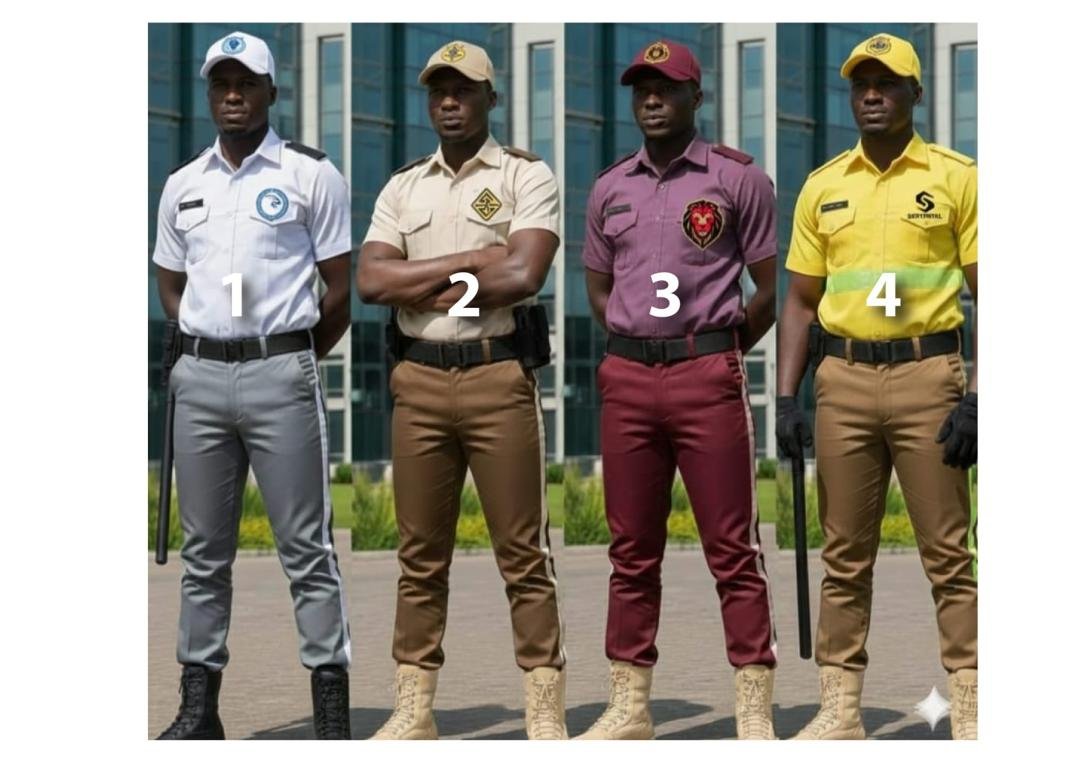
The Ghana Police Service has issued new guidelines on approved uniforms for private security operators, warning that any attire resembling state security uniforms is illegal and punishable by law.
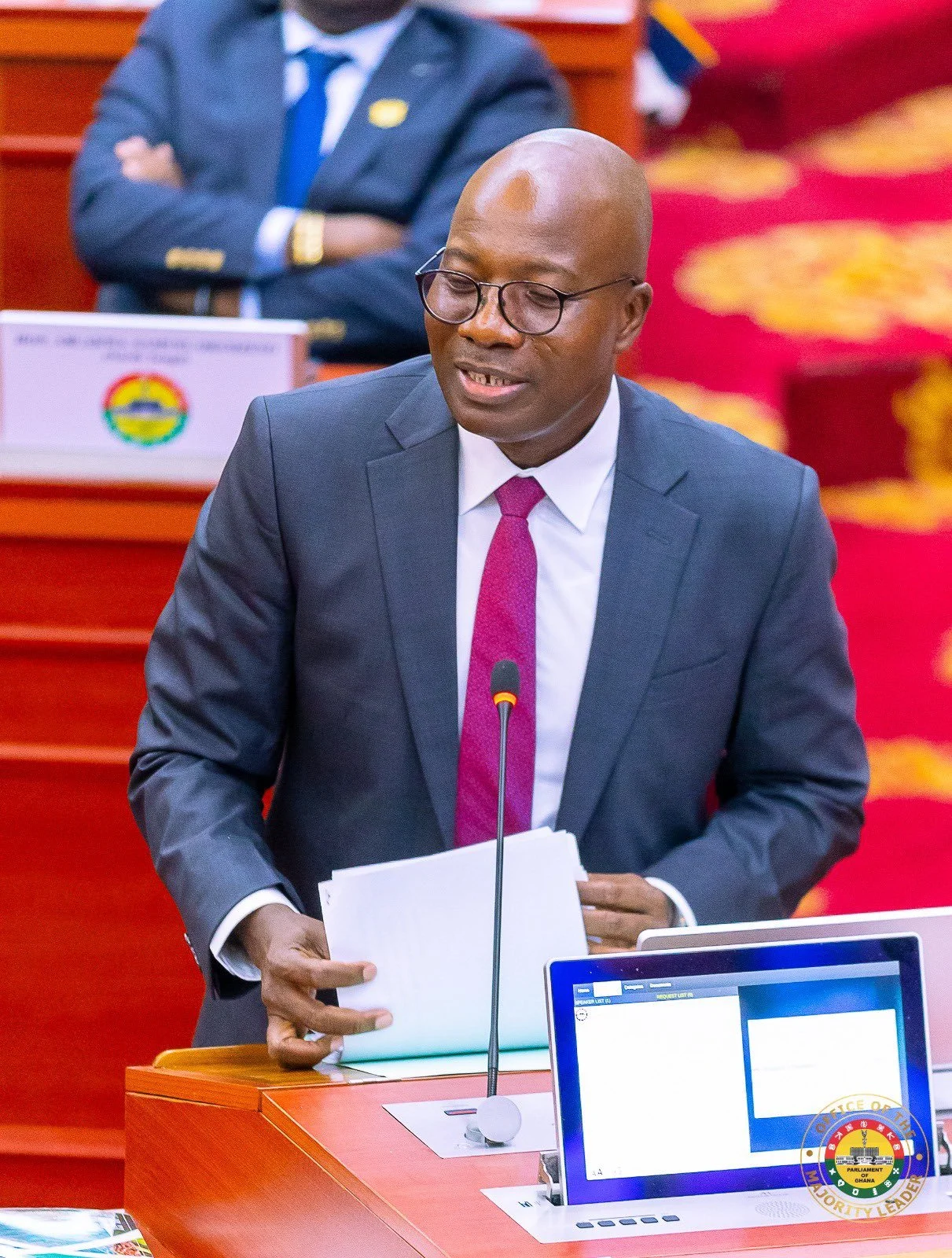
Majority Leader Mahama Ayariga explains in Parliament why Ghana’s 24-hour economy requires an authority to coordinate production, labour, and supply chains.
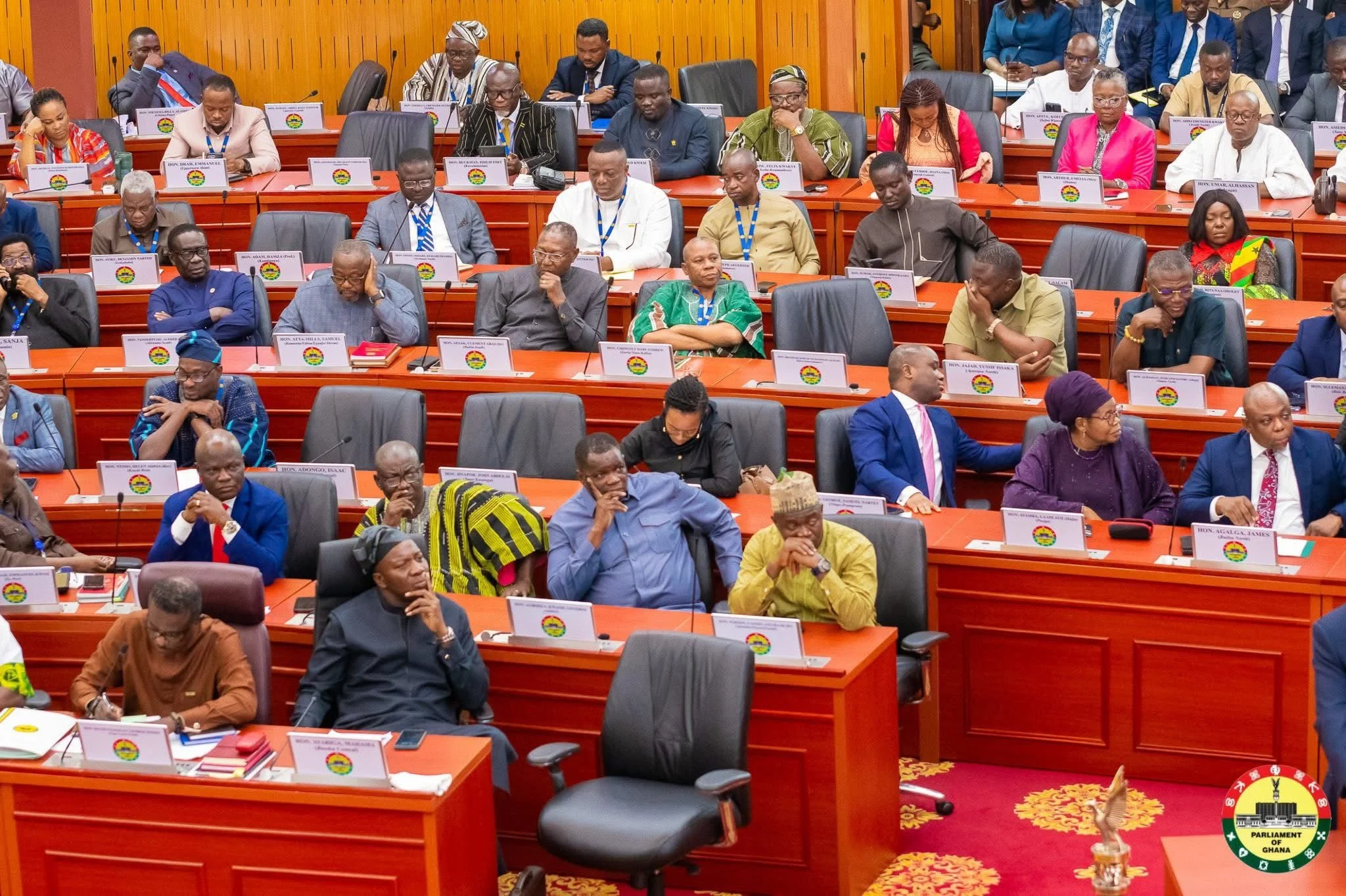
Parliament erupts in heated debate as MPs clash over the 24-Hour Economy Authority Bill, with sharp exchanges between Majority and Minority members.
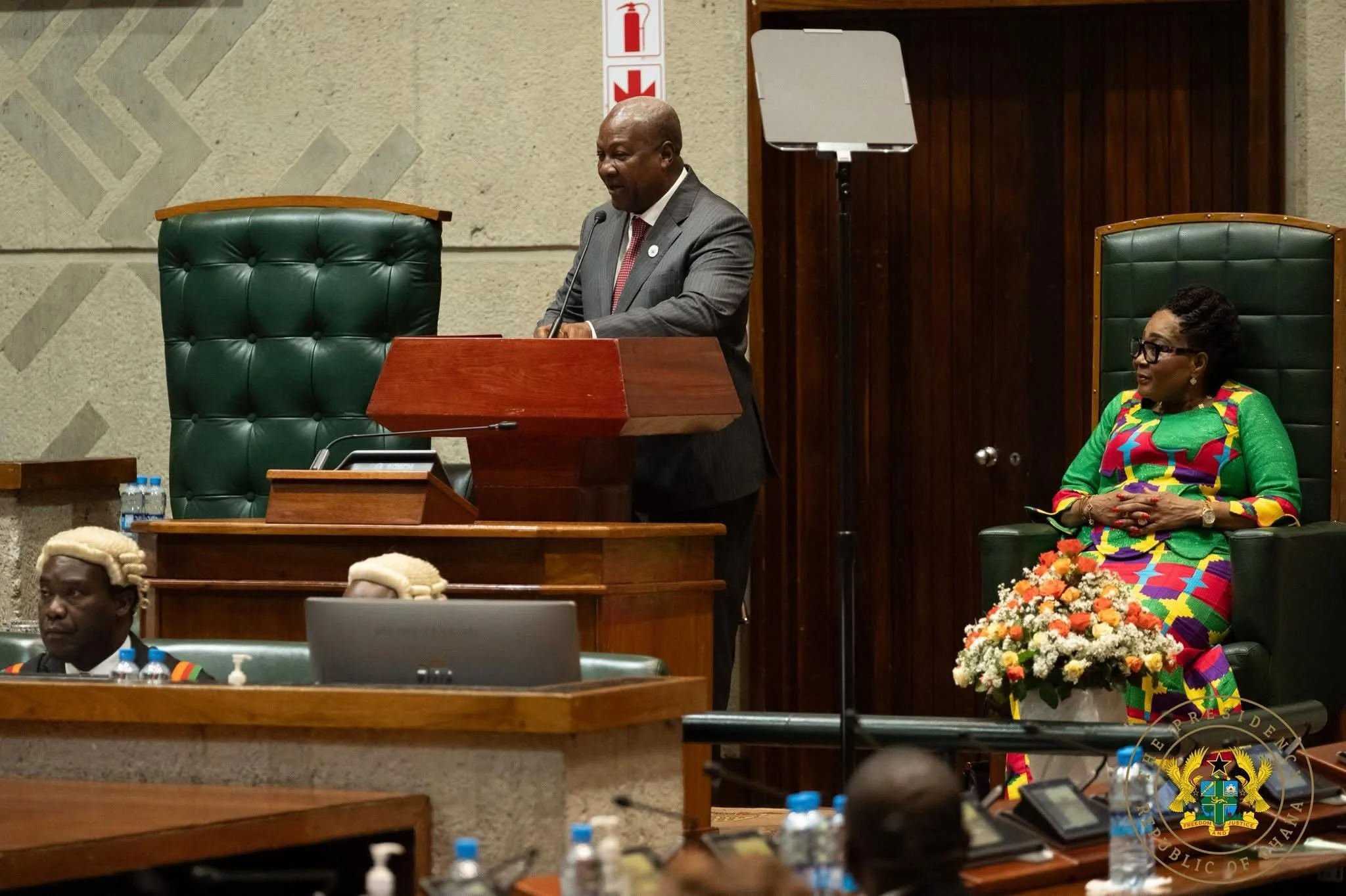
President Mahama holds bilateral talks at Zambia’s State House, highlighting historic ties, economic reforms, mining cooperation, and strong diaspora relations.
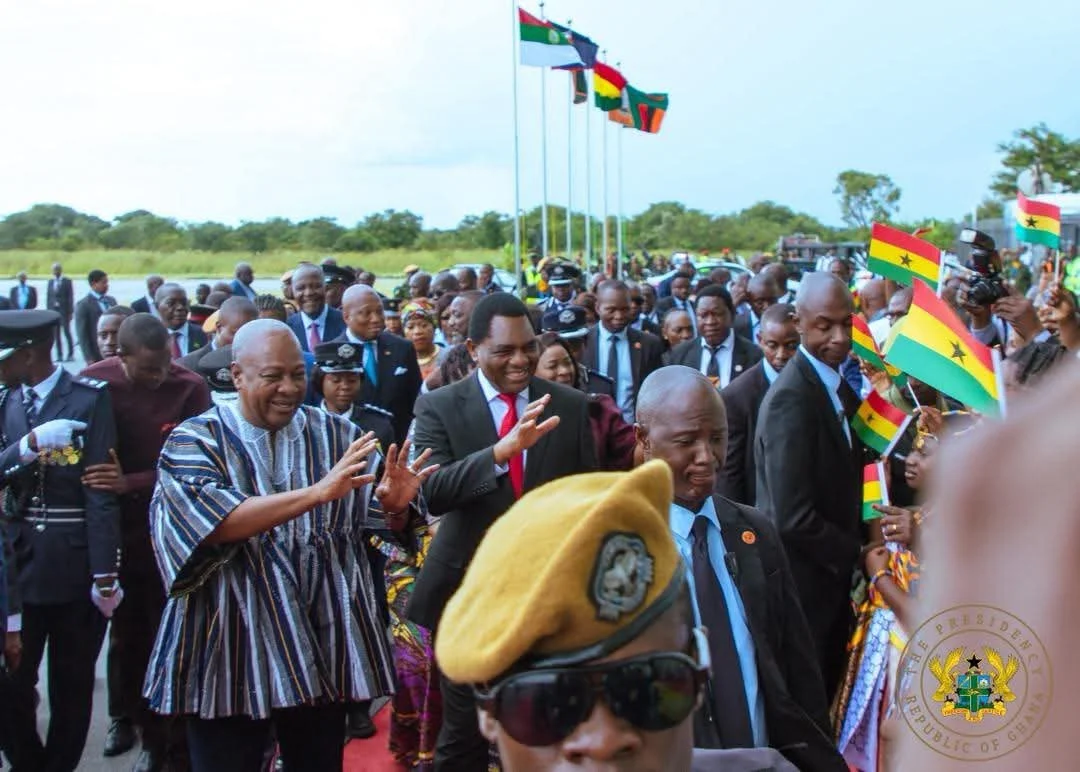
President Mahama begins official visit to Zambia with visa waiver agreement allowing Ghanaians and Zambians to travel freely, alongside eight cooperation MoUs.
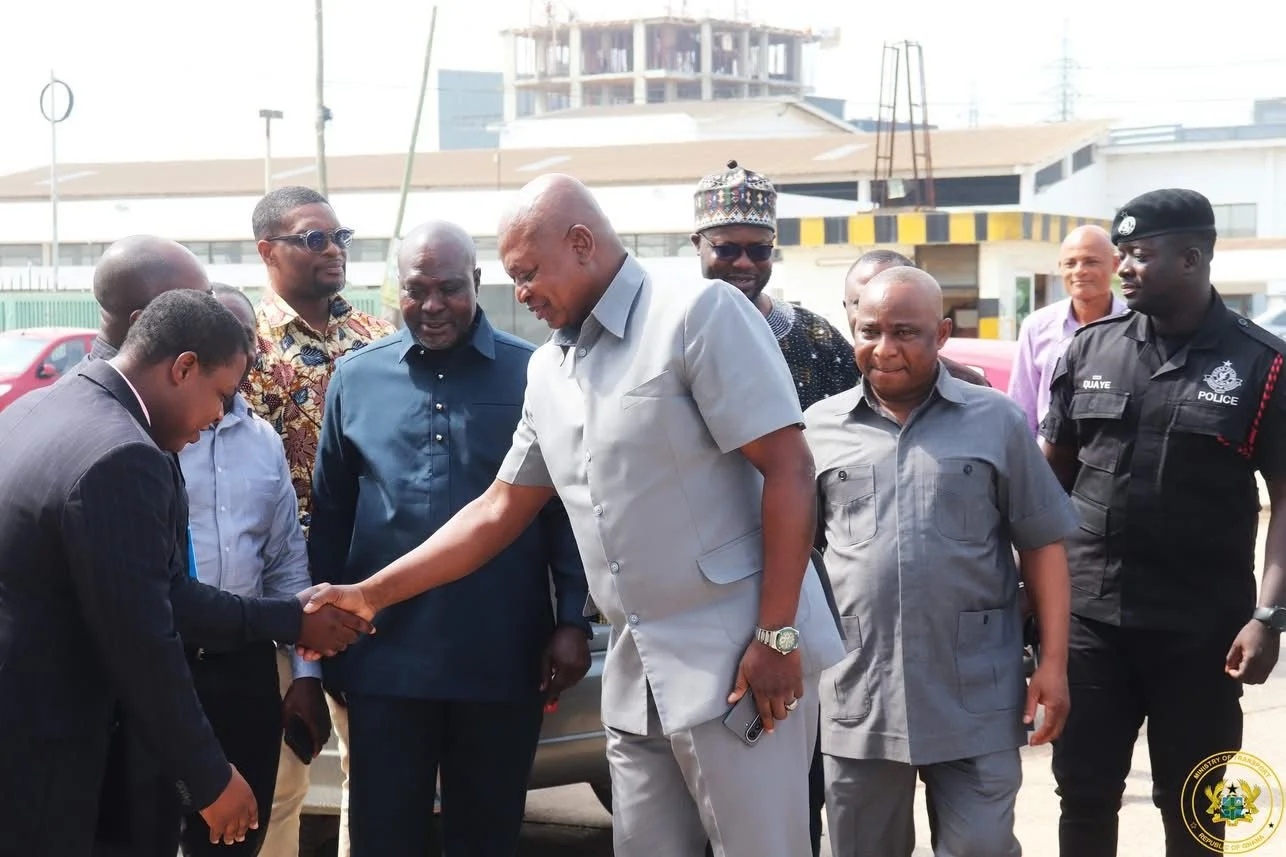
Transport Minister Joseph Bukari Nikpe has defended government’s decision to rename Kotoka International Airport as Accra International Airport amid public debate.
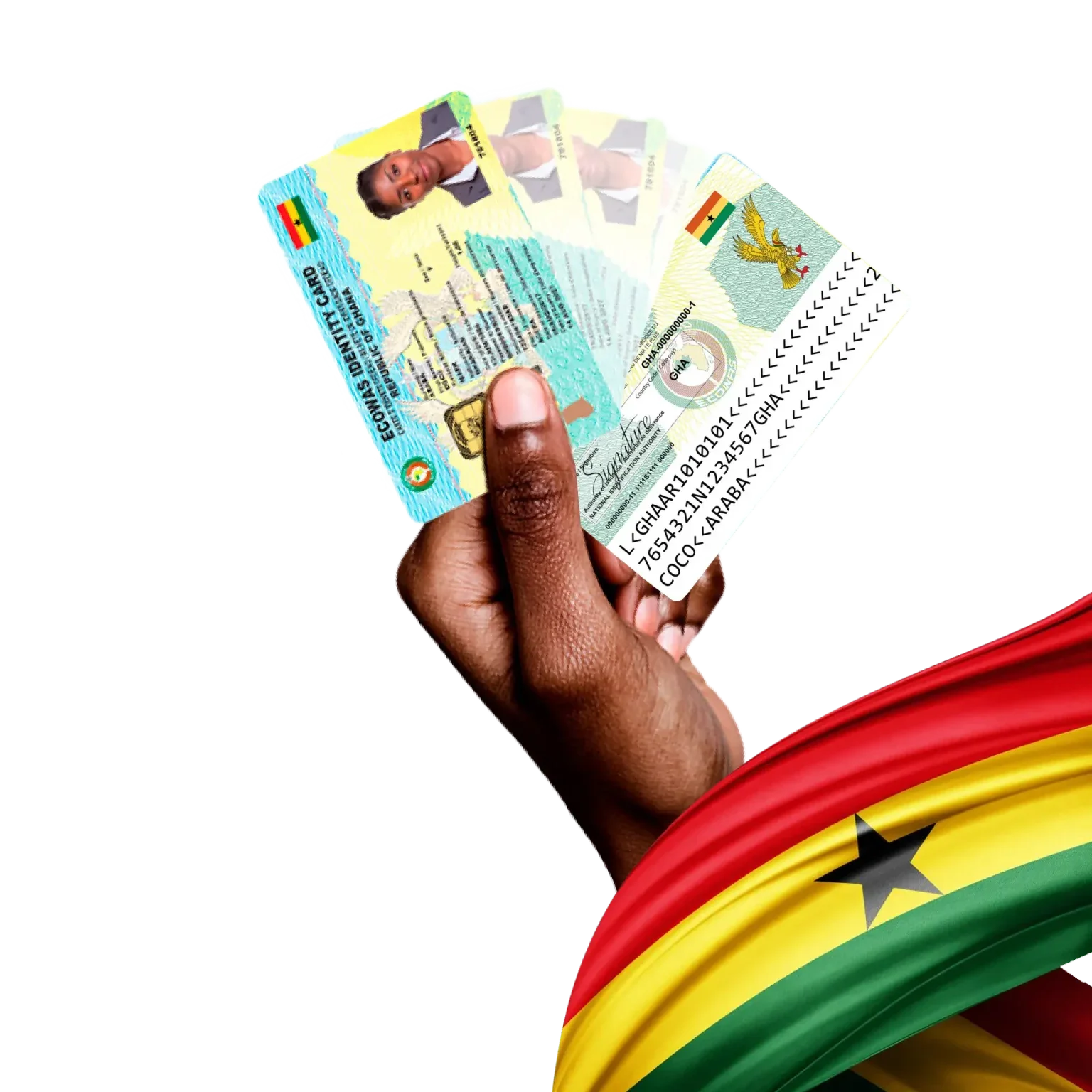
NIA introduces revised charges for Ghana Card registration and related services starting February 2, 2026, citing rising operational costs.
The court has discharged Frederick Kumi, known as Abu Trica, and two others after the state withdrew charges. They were later re-arrested by the Narcotics Control Commission.
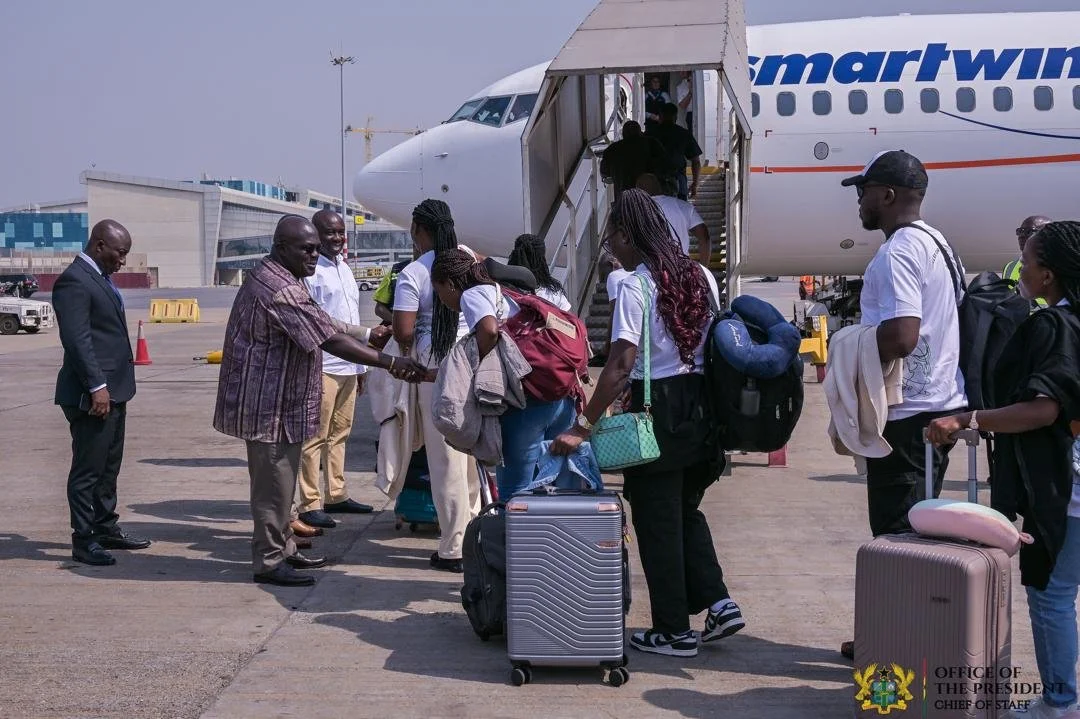
Ghana’s Health Minister says the Labour Exchange Programme will reduce the backlog of 80,000 unemployed health professionals as 130 workers depart for Antigua.
Minority Leader Alexander Afenyo-Markin says the NPP is holding government accountable, defending its opposition to tax bills and recent actions in Parliament.
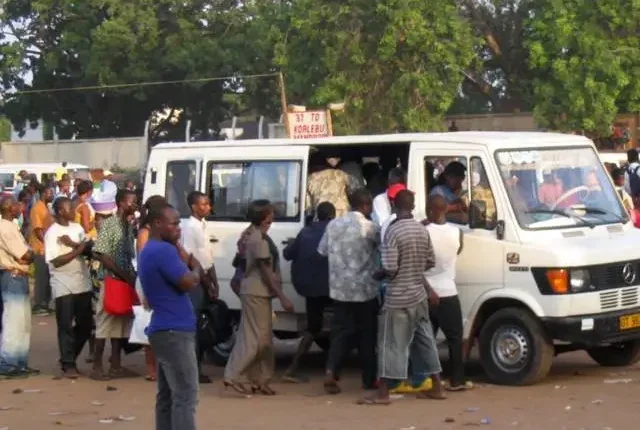
Accra commuters face long queues and hours-long waits as severe bus shortages hit major transport hubs including Circle, Kaneshie, Madina and Tema.
Adentan Circuit Court grants influencer “Ebo Noah” GH¢100k bail with two sureties following charges tied to a failed December 25 flood prophecy.
The IGP has promoted 35 police officers for their role in arresting suspects linked to the 2024 Adabraka gold robbery. Police cite professionalism and teamwork.
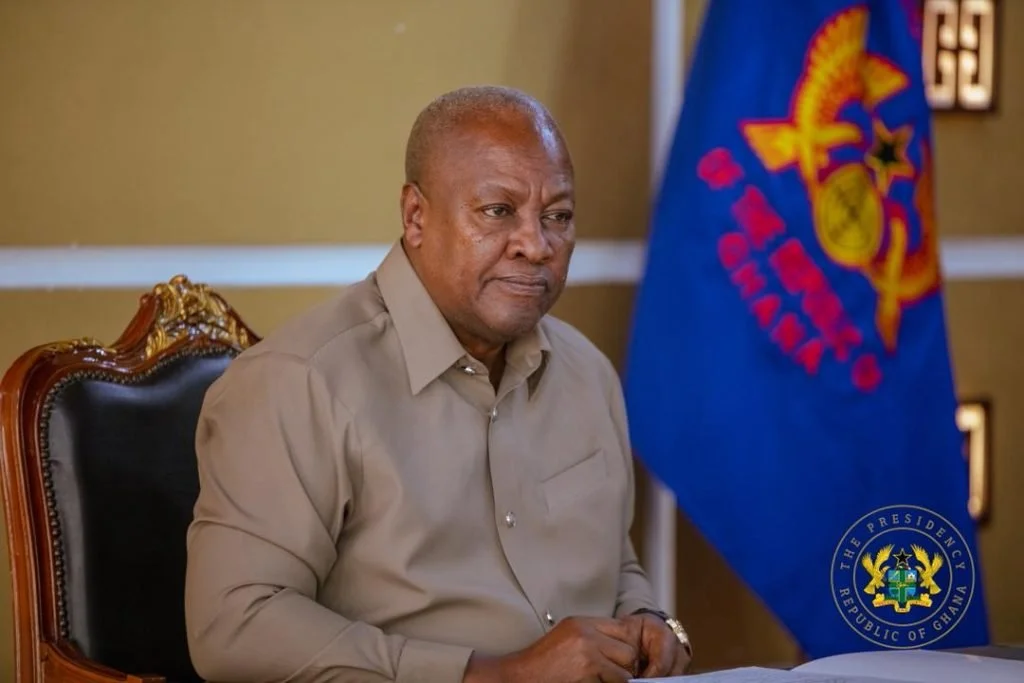
President Mahama has established a Presidential Advisory Group on the Economy to guide policy reforms, support growth and strengthen economic management.
Mary Asantewaa Buabeng is a reporter based in Accra Ghana and writes for DM Media Online.