
Why the 24-Hour Economy Needs an Authority – Mahama Ayariga Explains
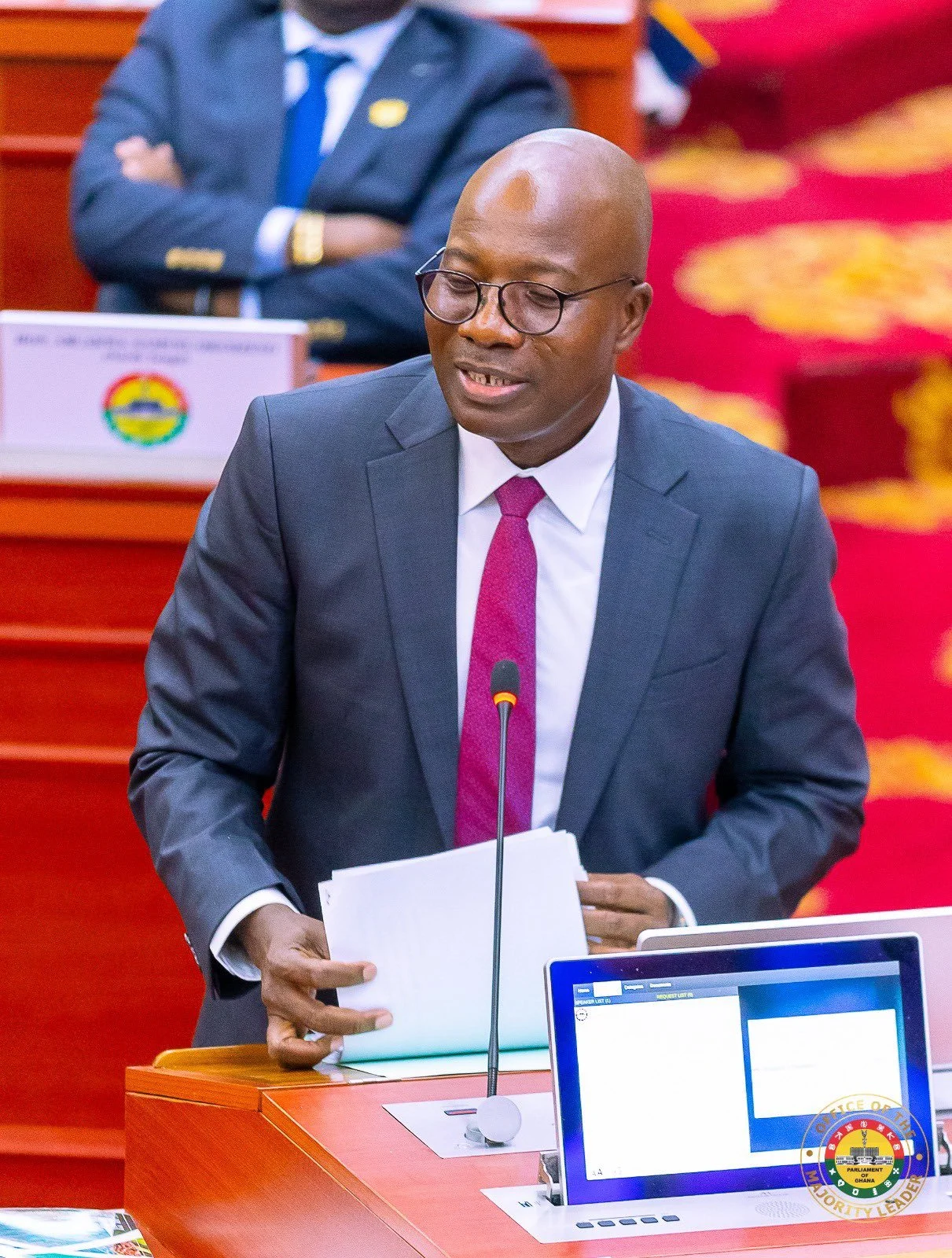
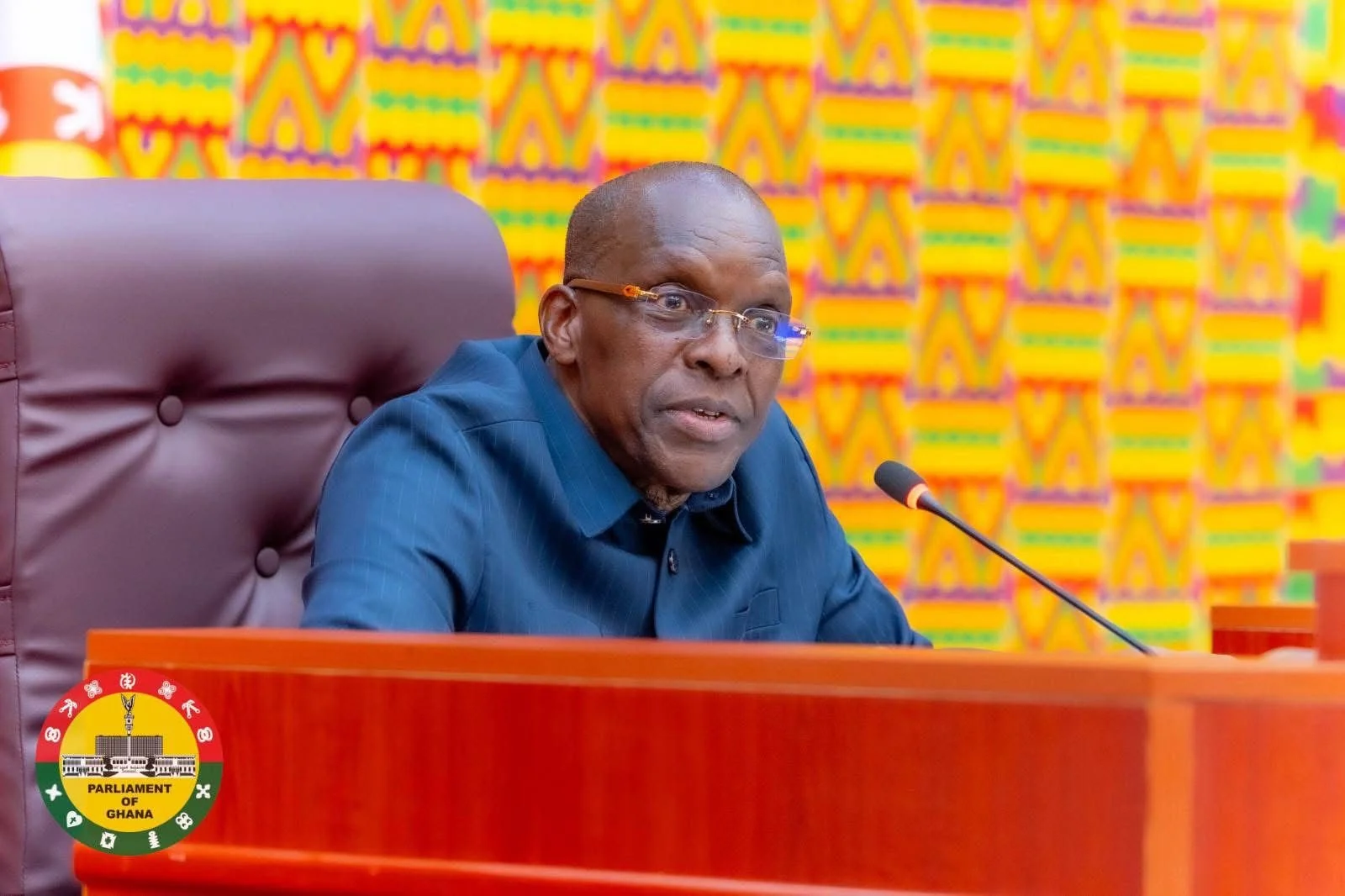
The Majority Leader, Mahama Ayariga addressing the house.
Accra, Ghana- The Majority Leader, Mahama Ayariga, has defended the creation of a 24-Hour Economy Authority, telling Parliament that Ghana’s economic challenges require coordinated structural reform rather than fragmented sectoral efforts.
Speaking on the floor of Parliament on Wednesday, Ayariga said there was broad agreement across both sides of the House that Ghana’s economy needs a major transformation, particularly to address persistent youth unemployment and weak production systems. He described the proposed authority not as a job-creating agency in its own right, but as a coordinating body designed to align ministries, sectors, and institutions toward a common economic goal.
According to him, the authority would serve as a strengthened secretariat, empowered to supervise and coordinate sector ministries implementing the 24-hour economy policy. He argued that without such authority, coordination would be ineffective, as a simple secretariat would lack the institutional standing to work across ministries.
Ayariga said the 24-hour economy is built on three pillars: transforming production systems, developing supply chains and market systems, and strengthening labour. Using agriculture as an example, he said previous policies failed because they relied on smallholder farming without irrigation, machinery, financing, or guaranteed off-taker markets. He argued that modern economies succeed through large-scale commercial agriculture supported by technology, capital, and skilled labour.
He also referenced past industrialization efforts, including the One District, One Factory policy, arguing that factories were built without securing raw material supply chains. This, he said, resulted in facilities being constructed in areas where inputs such as tomatoes or watermelons were not produced, rendering the factories unproductive.
Addressing criticism that the policy document was not formally presented to Parliament, Ayariga said policy documents are not constitutionally required to be laid before the House. He noted that the 24-hour economy policy was publicly launched in July and that Members of Parliament had access to it, just as they access reports from other national bodies.
The Majority Leader rejected suggestions that the economy should already be operating on a 24-hour basis, describing such expectations as unrealistic given the state of the economy inherited by the current government. He cited high inflation, interest rates, debt levels, and limited access to credit for the private sector as constraints that first had to be addressed. He said progress over the past 11 months including reduced inflation, lower interest rates, improved debt-to-GDP ratios, and positive international ratings had laid the groundwork for deeper transformation.
Ayariga also responded to concerns raised about the Gold Board policy, stating that while there were perceptions of losses, the policy had generated an additional $3.8 billion in gold value from small-scale mining compared to previous years. He argued that the gains far outweighed the reported discrepancies and that the government remained confident in its economic direction.
He concluded by urging Members of Parliament to support the bill establishing the 24-Hour Economy Authority, saying it would provide the institutional framework needed to drive sustained economic reform, employment creation, and export development. Parliament subsequently adopted the motion at the second reading stage.
Read Also