
Cost of Living Is Going Through the Roof, Annoh-Dompreh Warns Parliament
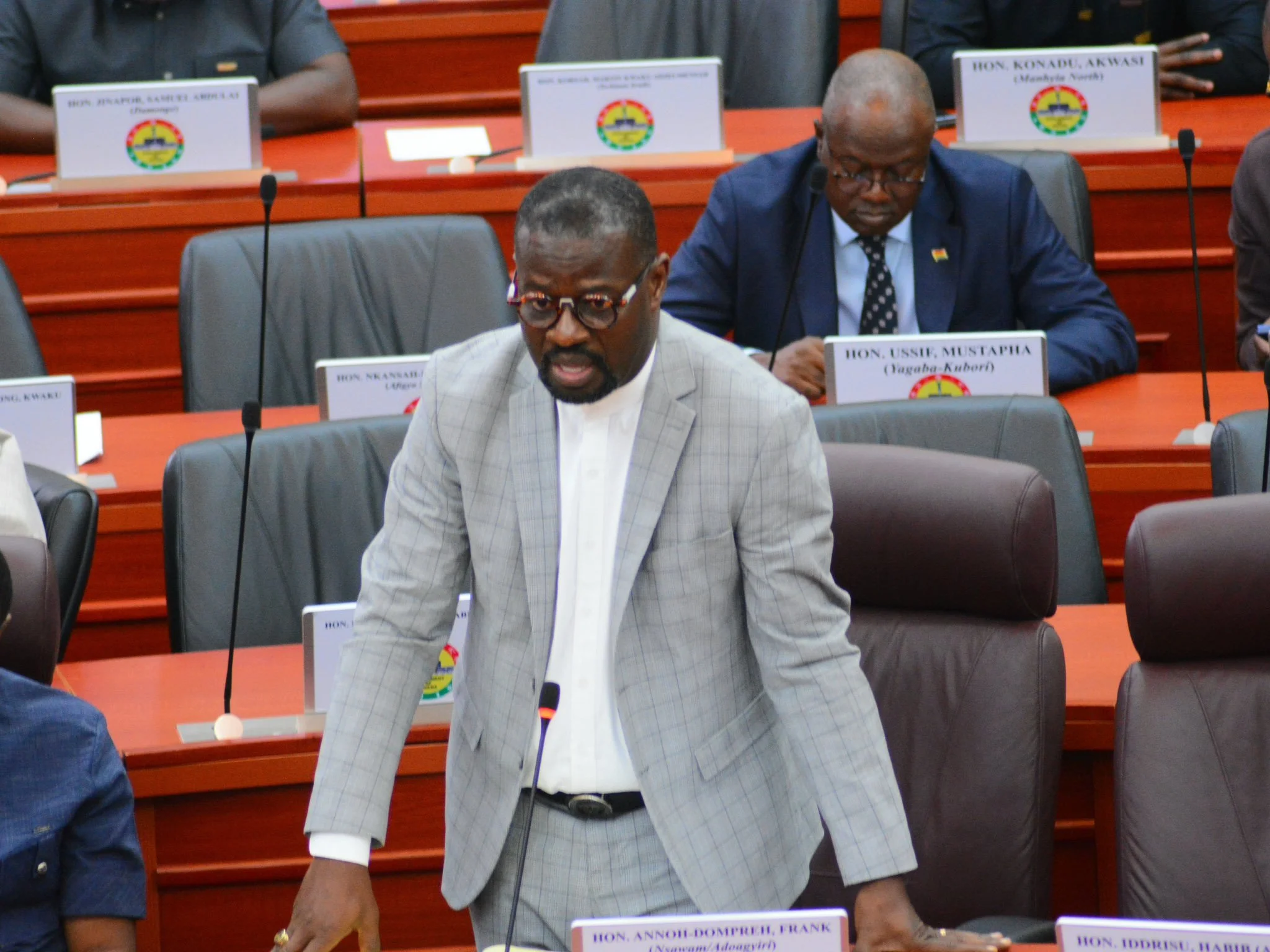
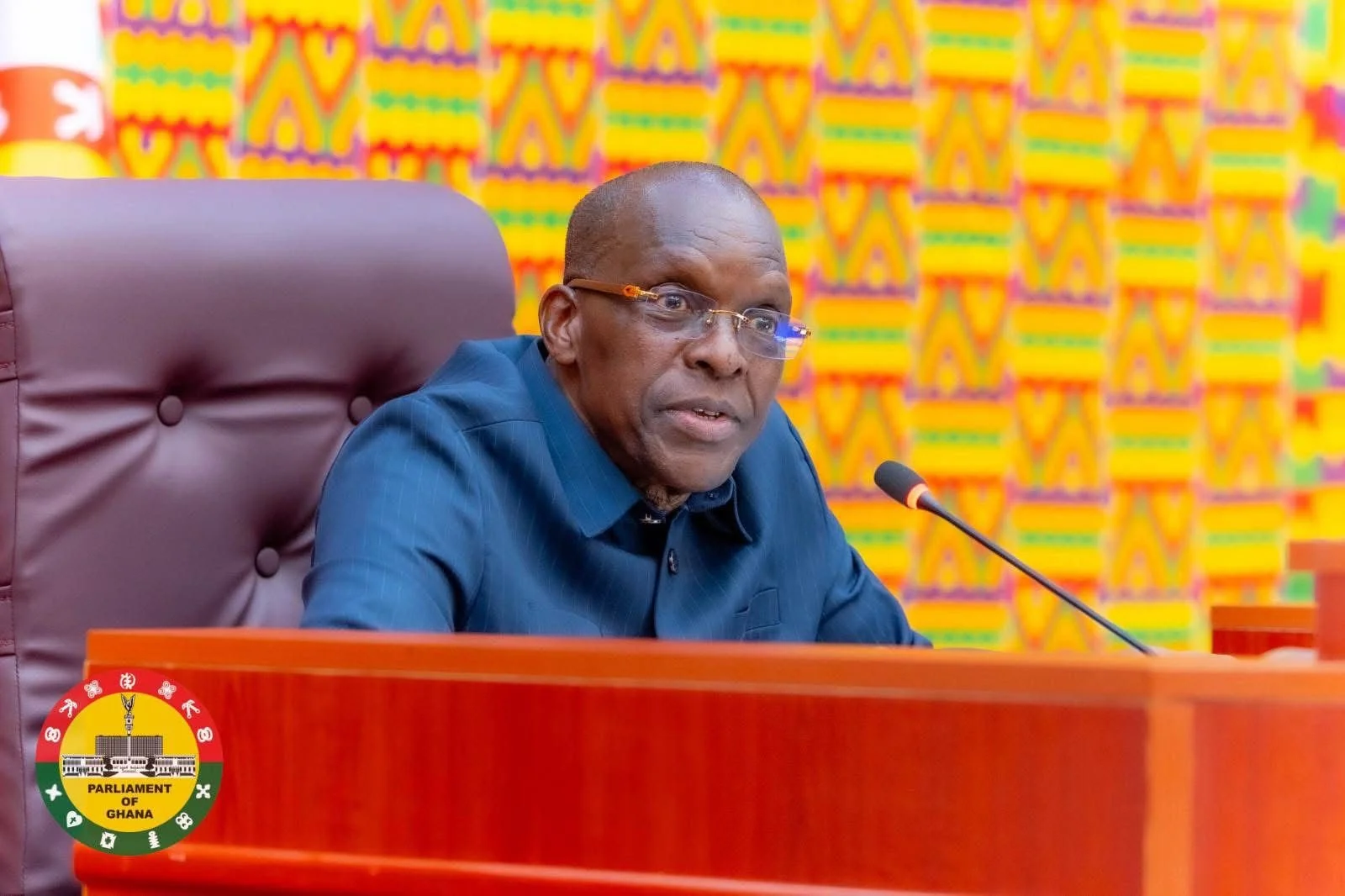
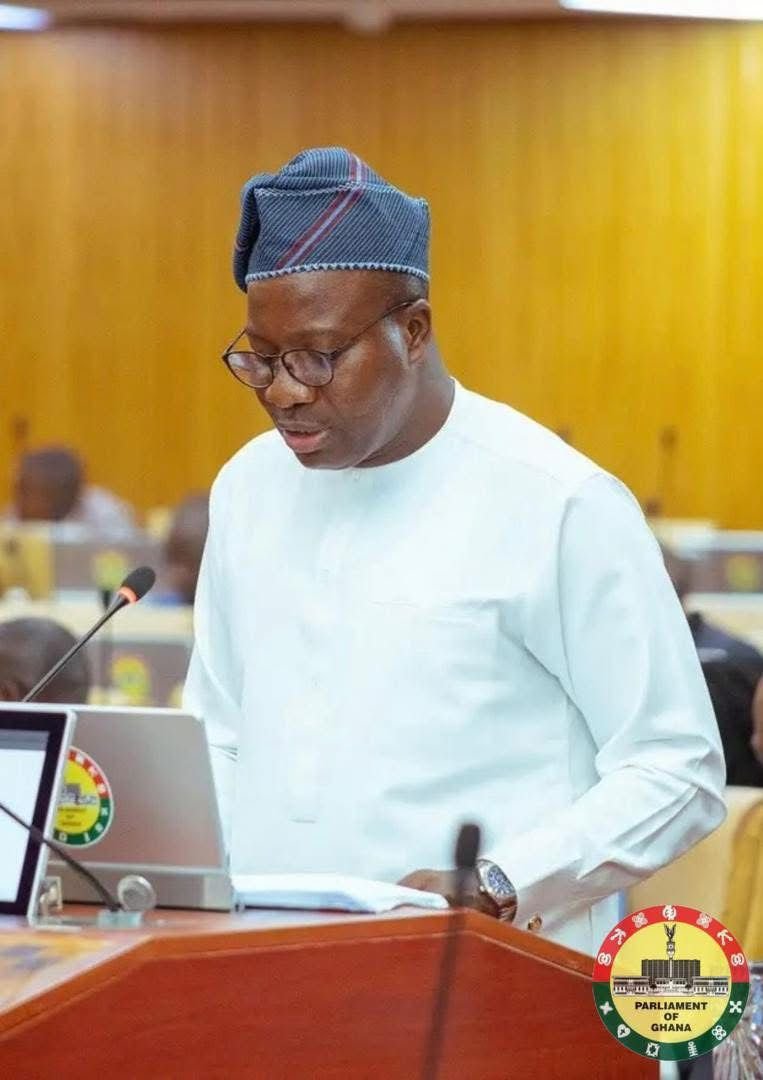
Minority Chief Whip and Member of Parliament for Nsawam-Adoagyiri, Frank Annoh-Dompreh presenting business statement in Parliament.
Accra, Ghana- The price of everyday life, Frank Annoh-Dompreh told Parliament, is no longer creeping upward. It is surging.
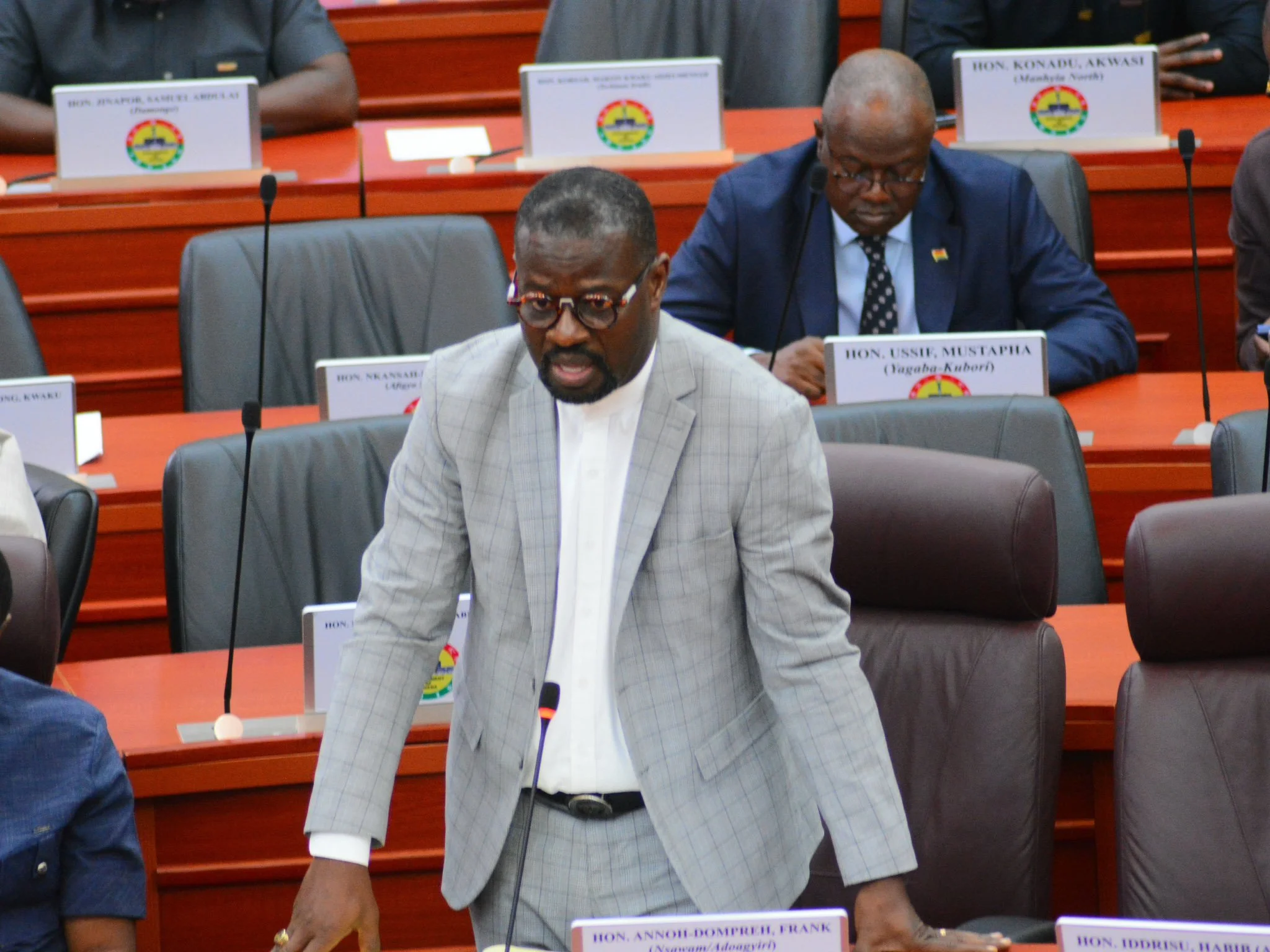
Rising to speak during deliberations on the Business Statement, the Minority Chief Whip and Member of Parliament for Nsawam-Adoagyiri warned that Ghanaian households are being squeezed by sharply rising food prices, even as Parliament struggles to focus on the economic pressures confronting ordinary citizens. Tomatoes, yams, cassava, cocoyams, and plantains, he said, have all become more expensive, turning daily survival into a constant calculation. The cost of living, he stressed, is “going through the roof.”
His remarks came amid growing tension on the floor of Ghana's Parliament, where disagreements over scheduling and ministerial accountability spilled into a broader critique of government priorities. Annoh-Dompreh accused the Majority leadership of failing to honour decisions taken at the Business Committee, pointing specifically to the absence of key ministers who had been expected to brief the House.
The Ministers for Foreign Affairs, Lands, and Climate Change and Sustainability, he noted, were listed to appear before Parliament. However, their engagements were deferred without what he described as proper consultation. The changes, he argued, undermined parliamentary procedure and weakened the House’s oversight role. Decisions taken collectively, he insisted, could not be altered at will.
Beyond process, however, his concern repeatedly returned to the economic strain on the public. Delays in approving statutory funding formulas, including the District Assemblies Common Fund, he warned, could stall development projects across the country. Without parliamentary approval, funds cannot be released, leaving local governments unable to meet basic needs.
Annoh-Dompreh also questioned the pace at which the government’s economic promises are being translated into action. While initiatives such as the proposed 24-hour economy have been publicly touted, he said Parliament has yet to see the legislative substance needed to make such policies a reality. He called on the Finance Minister to appear before the House to explain what concrete steps are being taken to stabilise prices and ease the burden on households.
At several points, his language shifted from parliamentary procedure to lived experience. Government officials, he suggested, should spend time in markets and communities, confronting food price realities firsthand rather than relying on abstract economic indicators. Ghanaians, he said, are watching closely—and waiting for relief.
The Minority caucus, Annoh-Dompreh made clear, does not intend to retreat. Parliament, he said, remains one of the few places where citizens struggling with rising costs can still voice their frustrations directly. And until those pressures ease, the scrutiny will continue.
Read Also