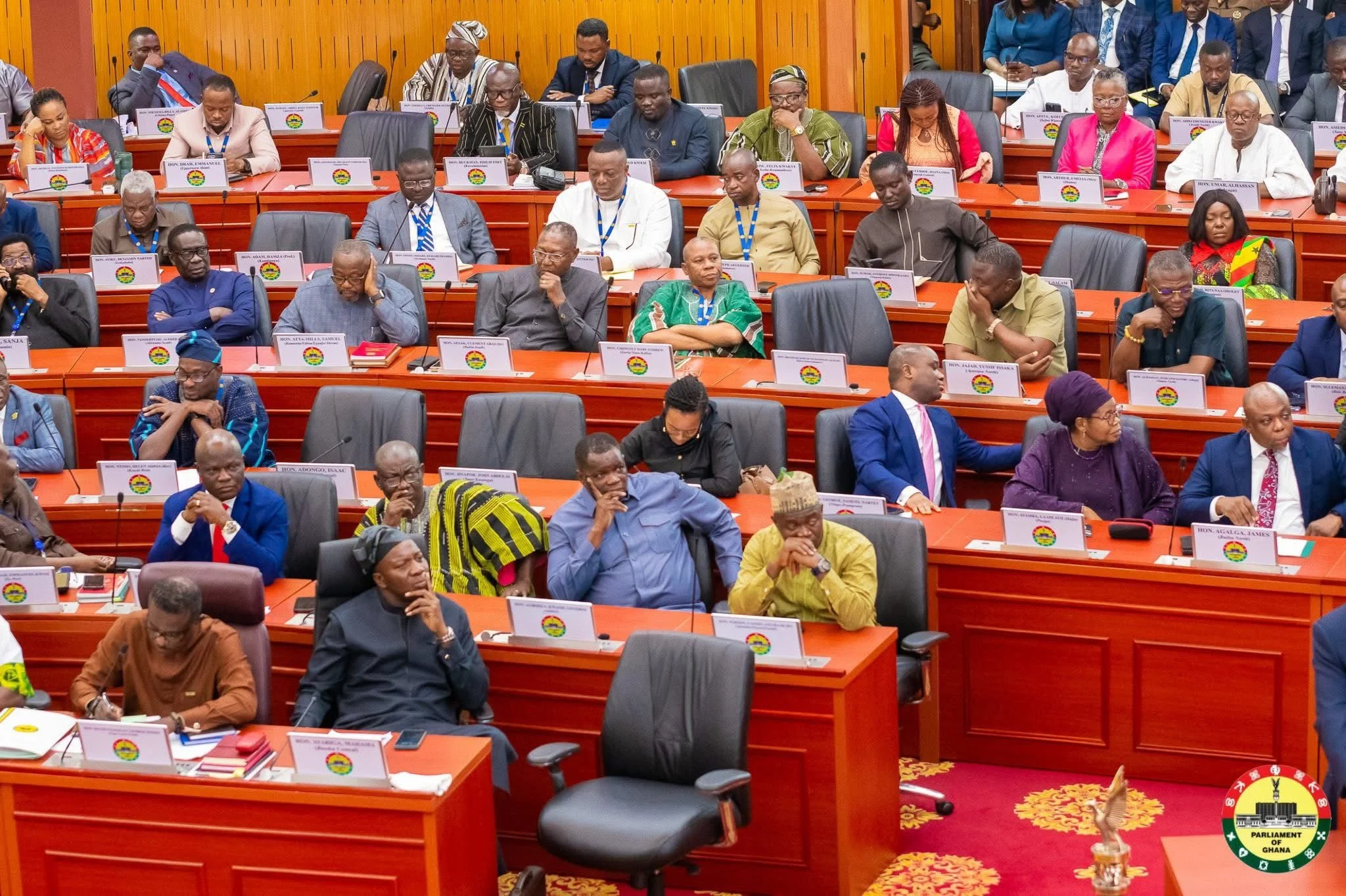

Heated Exchanges Rock Parliament Over 24-Hour Economy Authority Bill
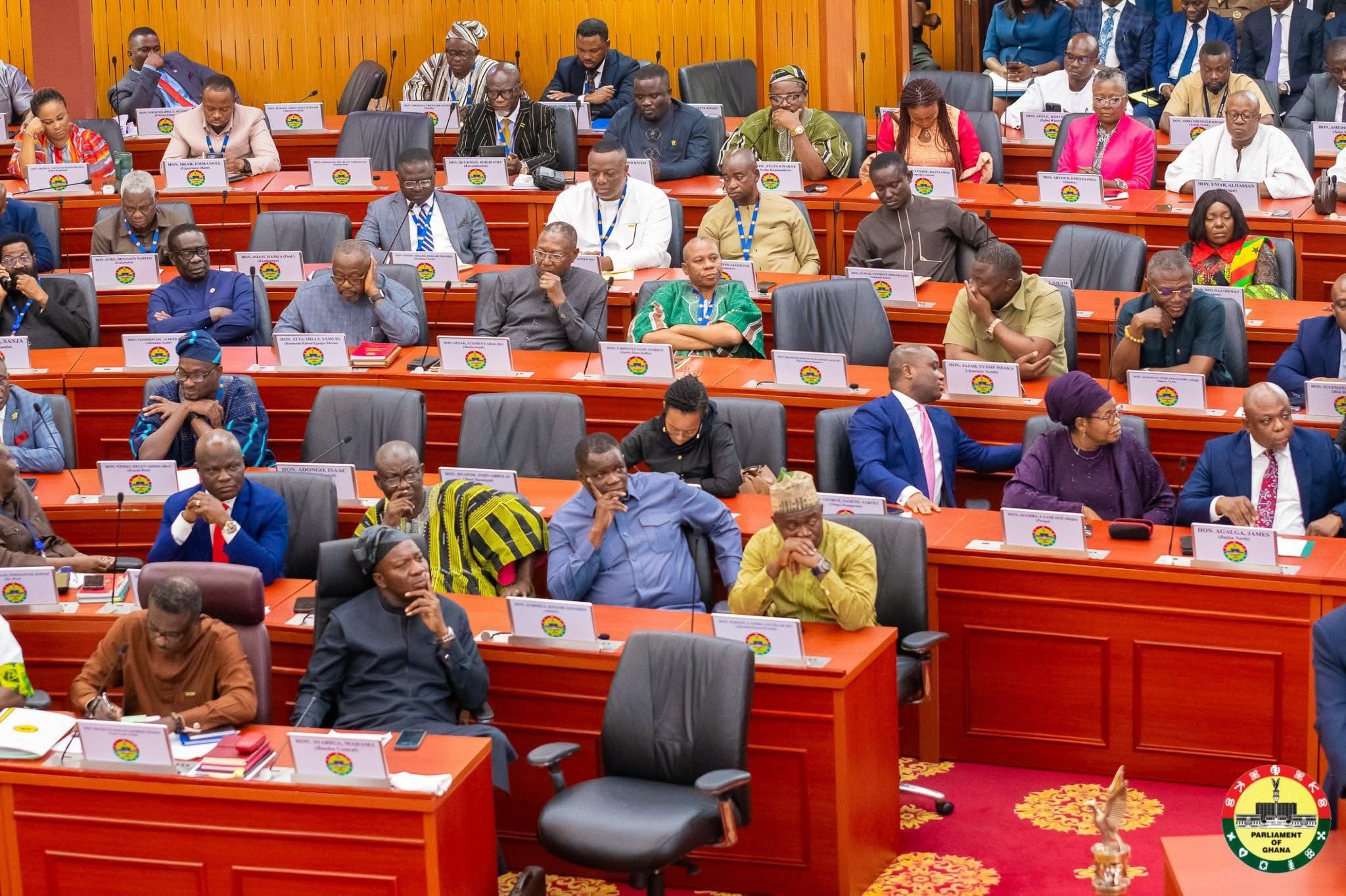
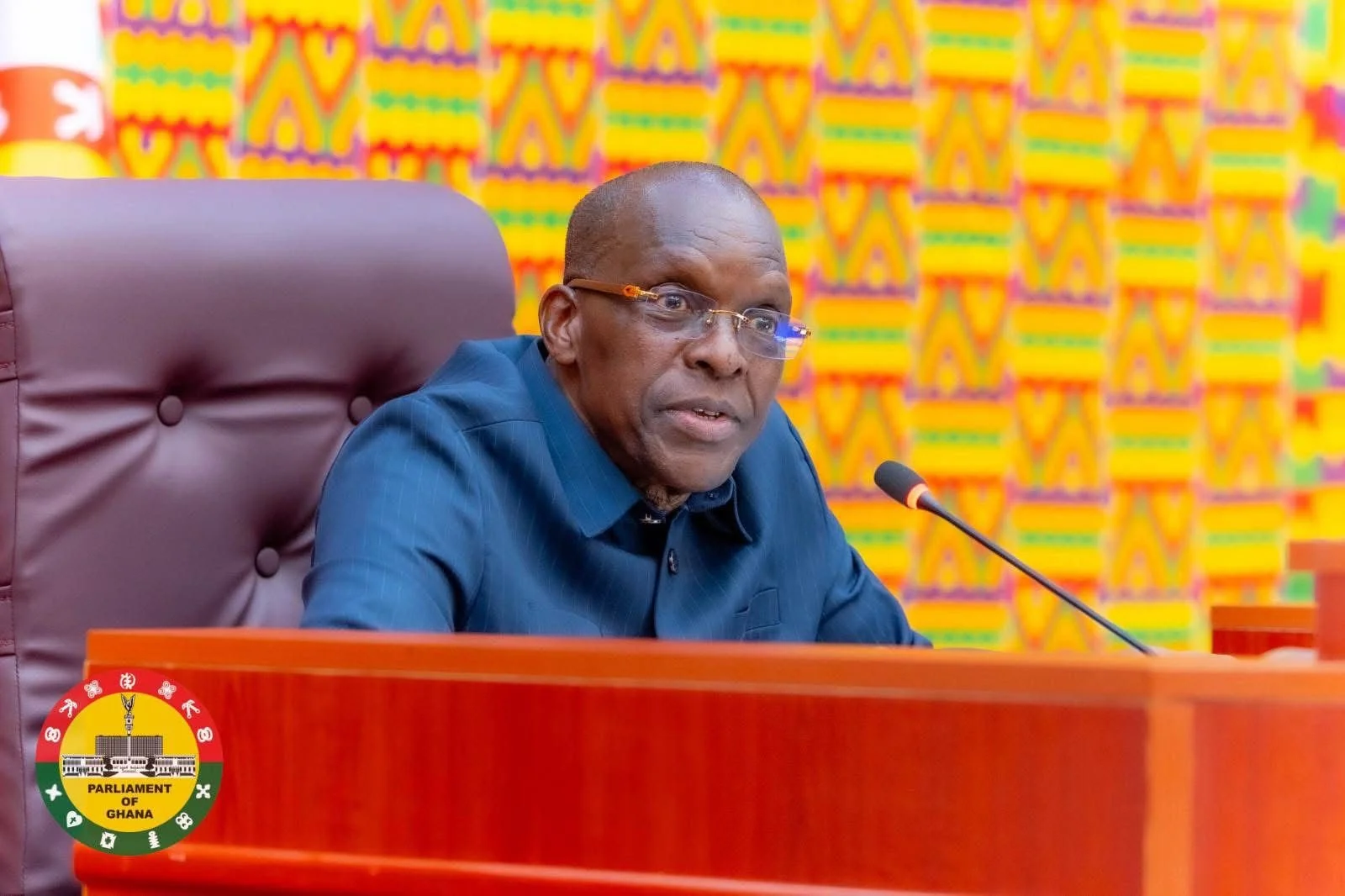
Accra, Ghana- A heated debate erupted on the floor of Parliament as Members clashed over the proposed 24-Hour Economy Authority Bill, with sharp exchanges between the Majority and the Minority over whether the authority is necessary or wasteful.
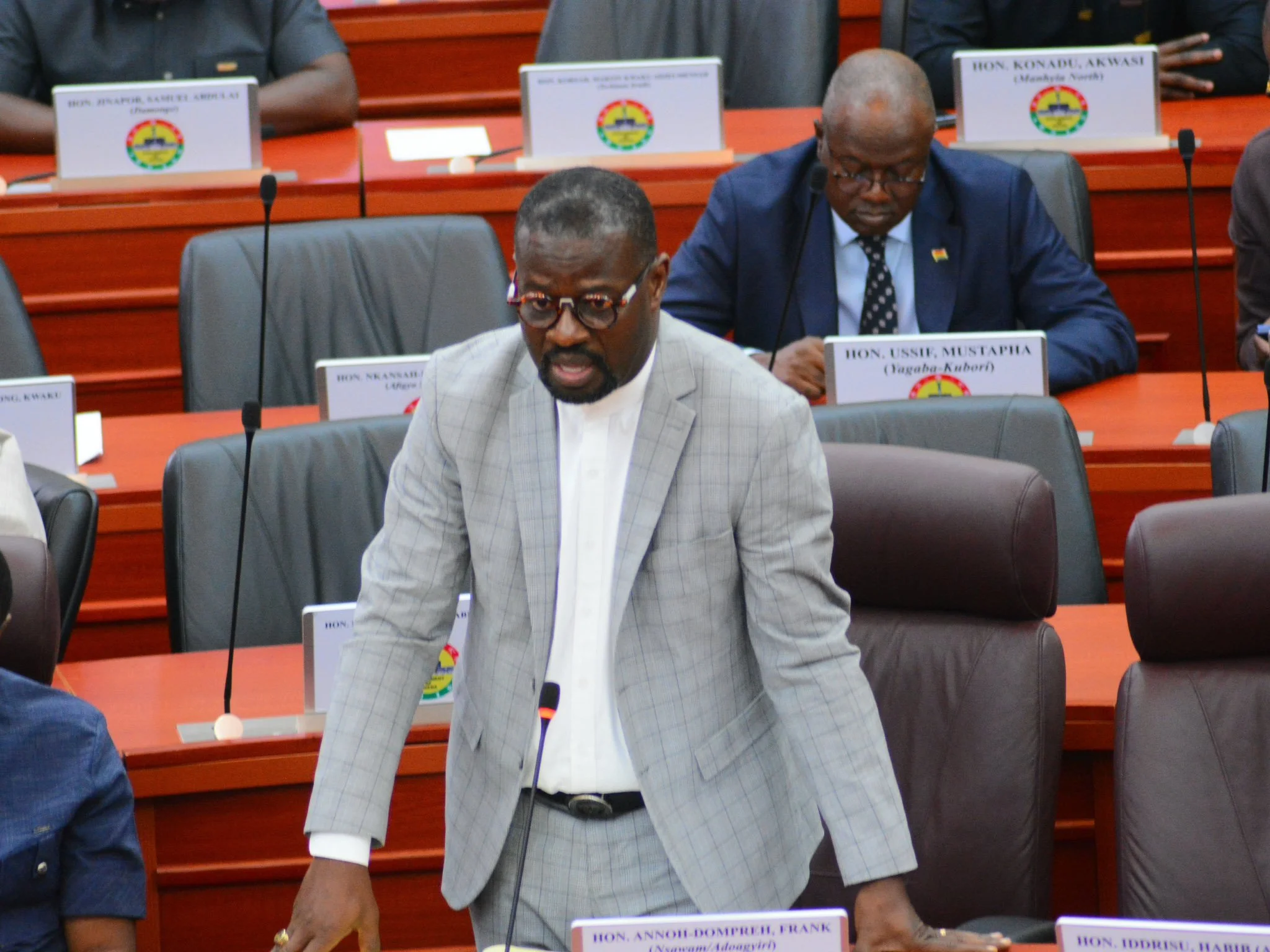
Leading opposition to the bill, Samuel Abu Jinapor, the Member of Parliament for Damongo, argued that the proposed authority would only create more bureaucracy and jobs for political appointees without delivering real economic benefits.
“It’s just going to be an authority where we’ll have another CEO, three deputy CEOs, corporate affairs managers, buy a few Land Cruisers, give them salaries and allowances,” he said, warning that the bill would place an unnecessary financial burden on the state.
Abu Jinapor insisted that the 24-hour economy policy could be implemented through existing institutions without creating a new authority, describing the proposal as an avenue for political patronage rather than economic transformation.
Responding sharply, Isaac Adongo, Chairman of Parliament’s Finance Committee, rejected comparisons between the 24-hour economy and past policies introduced by the previous administration.
“You thought that 24-hour economy was going to be like your Free Senior High School, that never had a policy,” he said. “You thought it was going to be like your One District, One Factory, that never had a policy. Your digitalisation, which never had a policy.”
Mr. Adongo argued that, unlike previous initiatives, the 24-hour economy is backed by a clearly defined policy framework and a coordinating mechanism to ensure proper implementation, funding, and accountability.
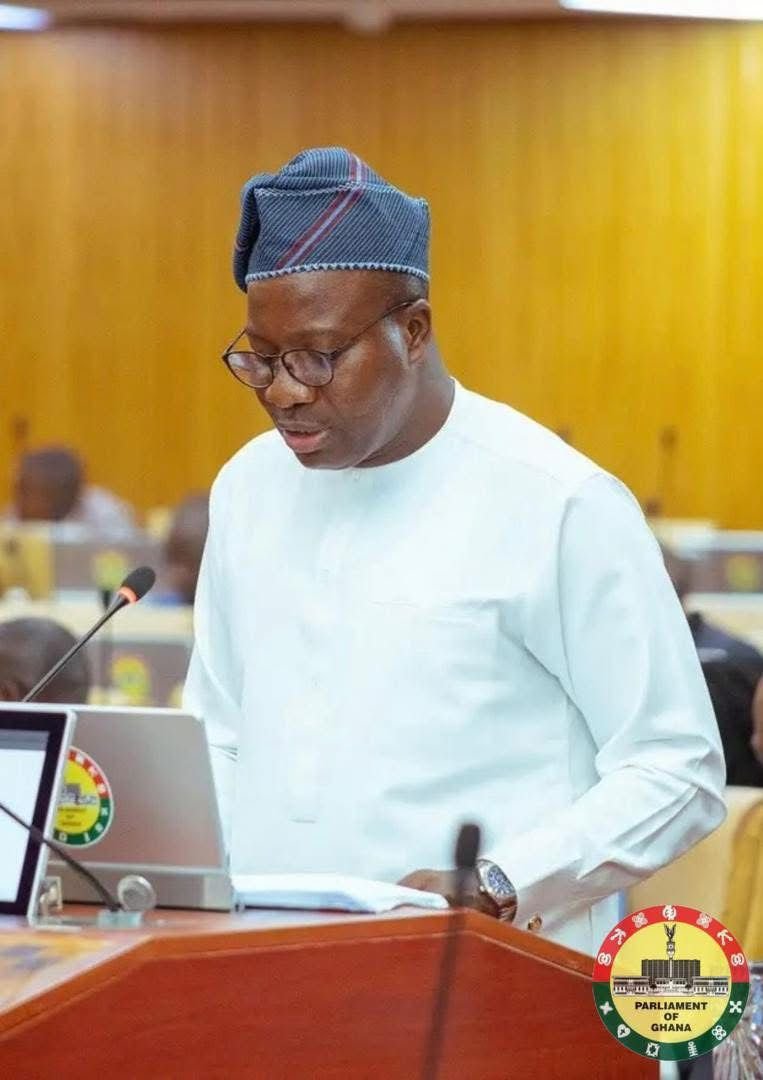
The debate intensified further when Stephen Amoah, MP for Nhyiaeso, questioned the wisdom of introducing what he described as recycled policies.
“Why are we continuing these unfortunate, inimical recycling policies?” he asked, expressing concern that the bill could repeat mistakes of the past if not carefully managed.
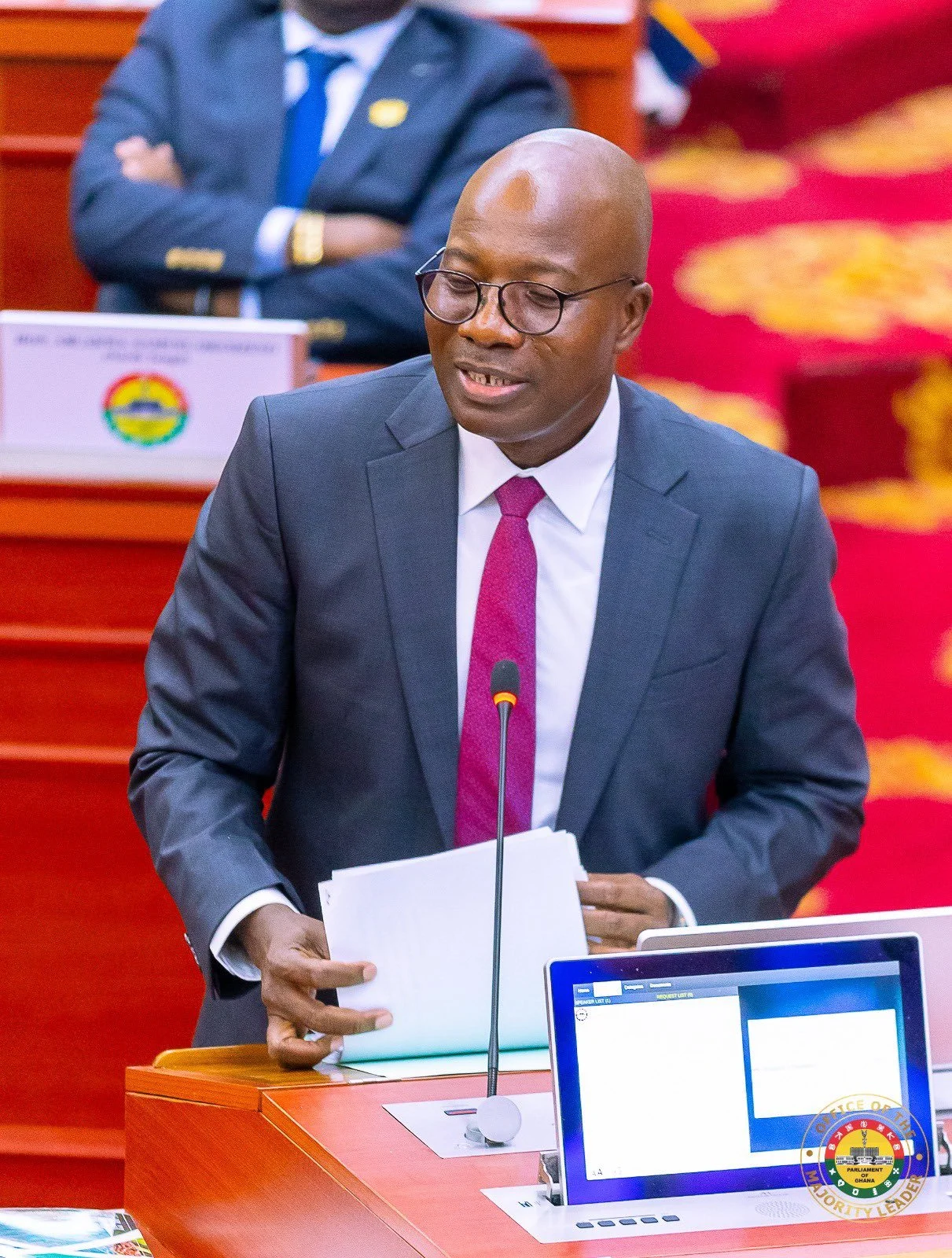
Taking the floor to defend the bill, Mahama Ayariga, the Majority Leader and MP for Bawku Central, said Ghana’s past industrialization failures were the direct result of poor planning and lack of coordination problems the proposed authority seeks to address.
“We went and constructed factories to process tomatoes where there were no tomatoes,” he said. “We went and constructed factories to process watermelon where there was no watermelon.”
Mr. Ayariga explained that factories were built without transforming production systems and value chains, which left many idle. He said the 24-Hour Economy Authority aims to address these failures by aligning production, supply chains, and markets before investment.
According to him, the authority will focus on systems rather than slogans, coordinating across sectors to avoid the mistakes that left factories “dotted in the bushes” without raw materials or markets.
The debate highlights Parliament's deep divisions: the Minority warns against duplication and waste, while the Majority insists the authority is required for coordinated economic transformation under the 24-hour economy agenda.
Read Also