
Inflation Falls to 5.4% as Bank of Ghana Signals Cautious Path for 2026

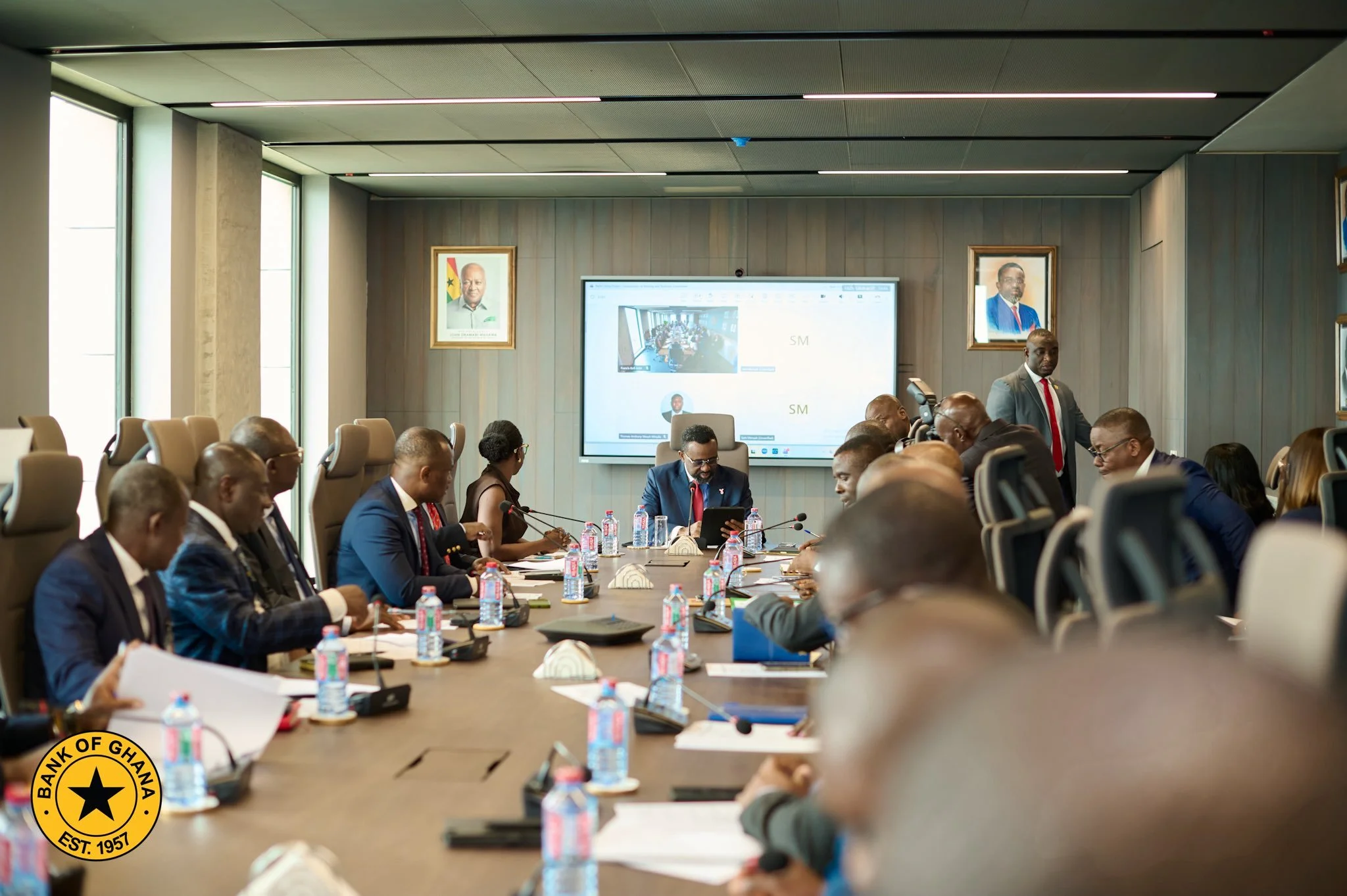
Accra, Ghana- Ghana’s macroeconomic outlook continues to improve. Inflation declined to 5.4 percent at the end of 2025. Gross international reserves rose to US$13.8 billion 5.7 months of import cover the Bank of Ghana Governor, Dr. Johnson Pandit Asiama, has announced. At the 128th Monetary Policy Committee (MPC) meeting in Accra on January 26, 2026, Dr. Asiama said the latest economic indicators show growing stability. He warned that these gains must be protected through disciplined policy decisions in 2026.
“On one hand, all the economic indicators look good, but on the other, these improved conditions remind us that the work has only begun and that more effort is needed to lock in stability,” he said.
According to the Governor, Ghana’s external position has strengthened with a current account surplus of 8.1 percent of GDP. Confidence among consumers and businesses has improved. Economic growth remained strong through Q3 2025, with leading indicators suggesting further expansion ahead.
Dr. Asiama said these developments confirm that policy choices are working and that policy credibility has been restored. However, he stressed that the MPC meeting aims to examine if current stability can be sustained not to celebrate success.
"This meeting focuses on analyzing data to determine if stability will continue," he said. Globally, he said, economic growth remains resilient, with projections of about 3.3 percent through 2026, even as geopolitical uncertainty persists. While Ghana has benefited from favorable external conditions, particularly high gold prices, he cautioned that these advantages may not last.
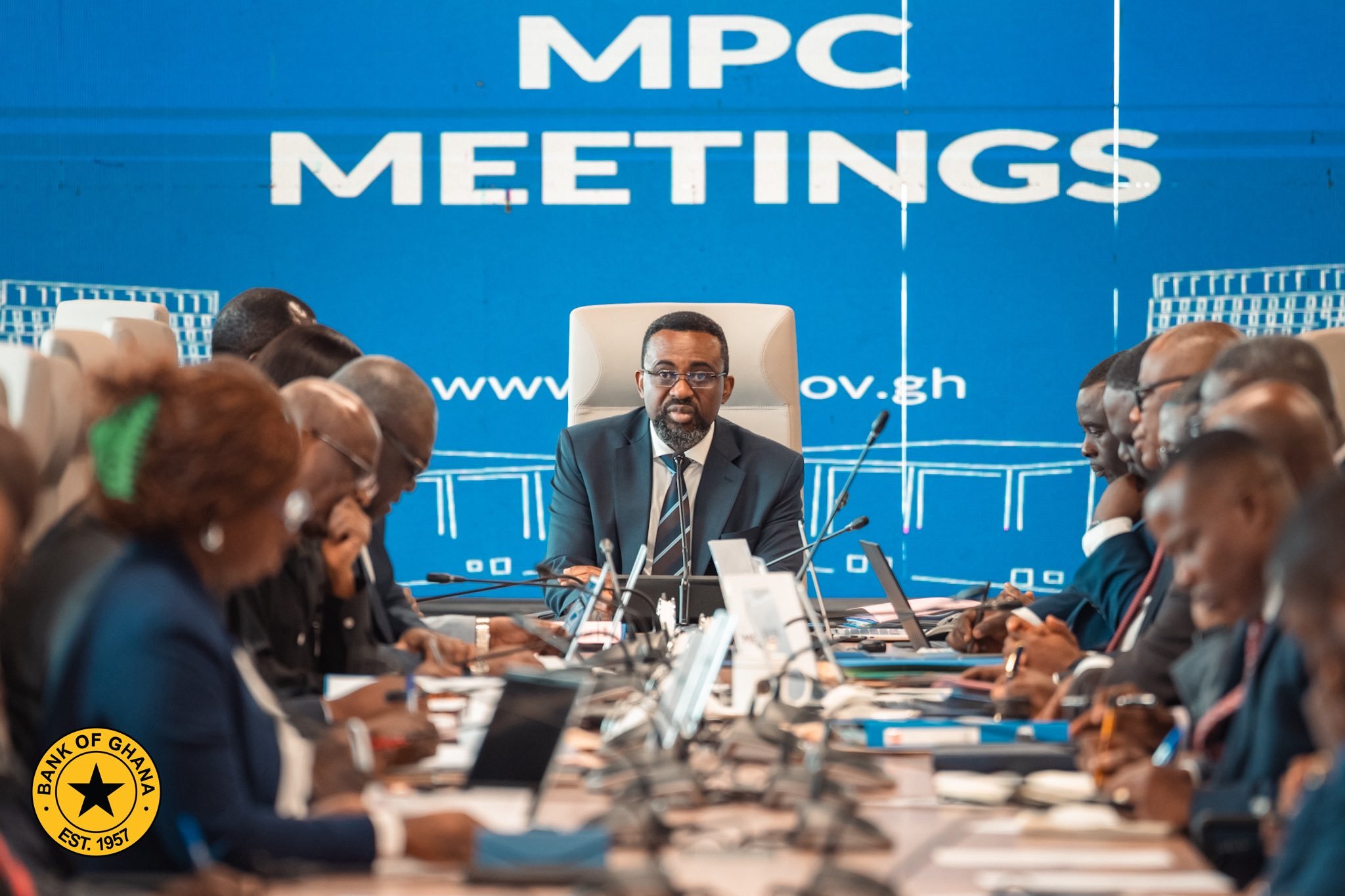
Domestically, the Governor explained that rapid disinflation allows for policy adjustments. However, it also raises questions about how quickly easing should occur and how to preserve confidence. He identified four key priorities to guide the Committee’s discussions and ensure lasting stability.
First, the pace and sequencing of any policy adjustment, including whether easing should be gradual with pauses to reassess conditions, and how clearly such decisions should be communicated to markets.
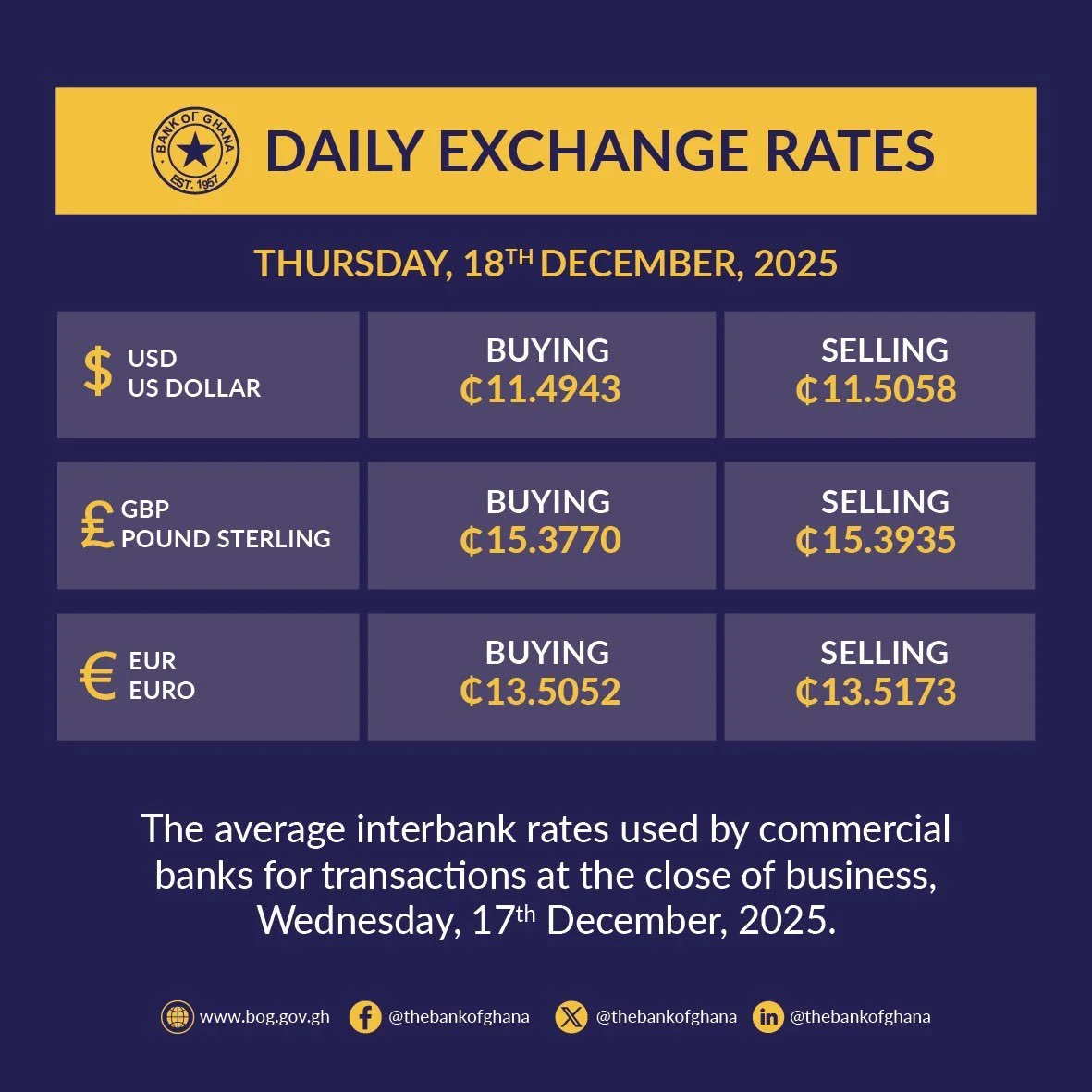
Second, the need to maintain foreign exchange stability and manage expectations. The cedi stayed stable in 2025 due to improved confidence and strong external position, though recent pressure seems seasonal.
Third, the Domestic Gold Purchase Program has helped strengthen reserves. Dr. Asiama said the Committee must weigh its sustainability and balance-sheeteffects when forming future policy.
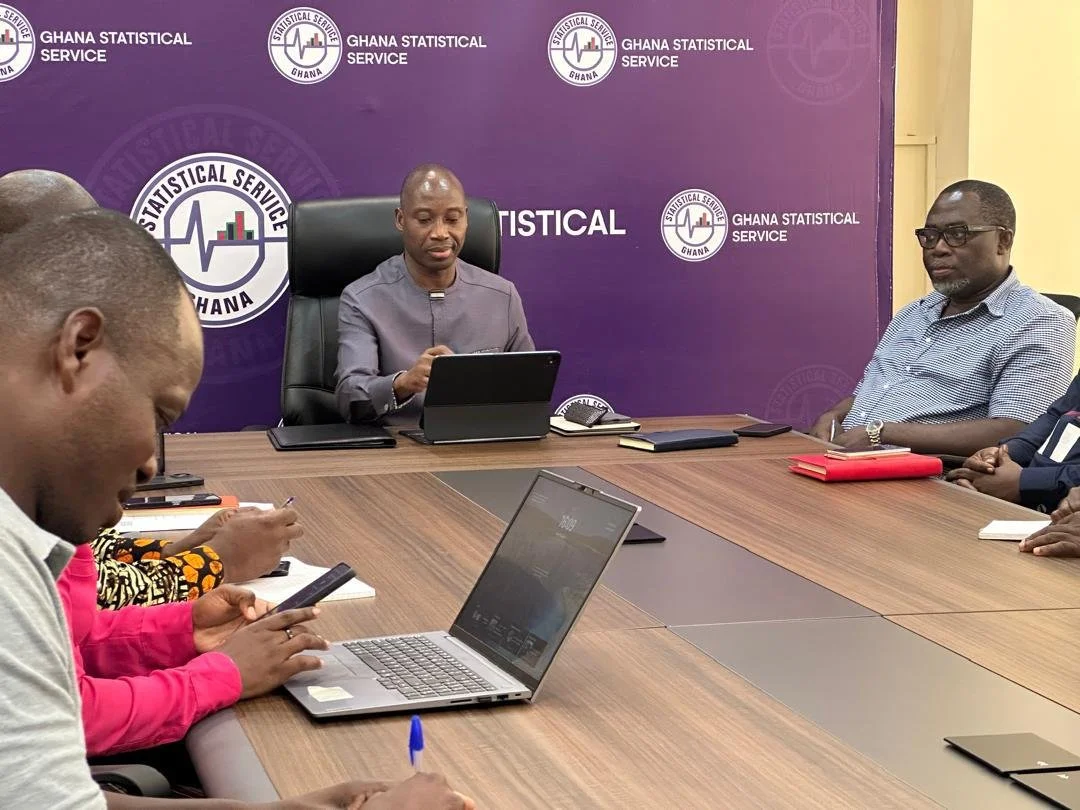
Fourth, the importance of data integrity ahead of Ghana’s next IMF review scheduled for April 2026. He said the review will focus on end-December 2025 data, including inflation, reserve accumulation, and adherence to the zero central bank financing policy.
"This Committee is among the first to assess key indicators for the programme’s performance," he said. Dr. Asiama emphasized that the MPC must decide how to credibly and sustainably sustain improvement not just acknowledge it.
"This meeting is about how we will respond to improved conditions and ensure our decisions can withstand future scrutiny," he stated.
He concluded by urging the Committee to apply balanced judgment to support sustainable growth and preserve economic stability.
The outcome of the MPC meeting is expected to guide Ghana’s monetary policy direction for the first quarter of 2026.
Read Also