
Inflation Drops for the 11th Consecutive Month, Reaches 6.3% in November — Ghana Statistical Service

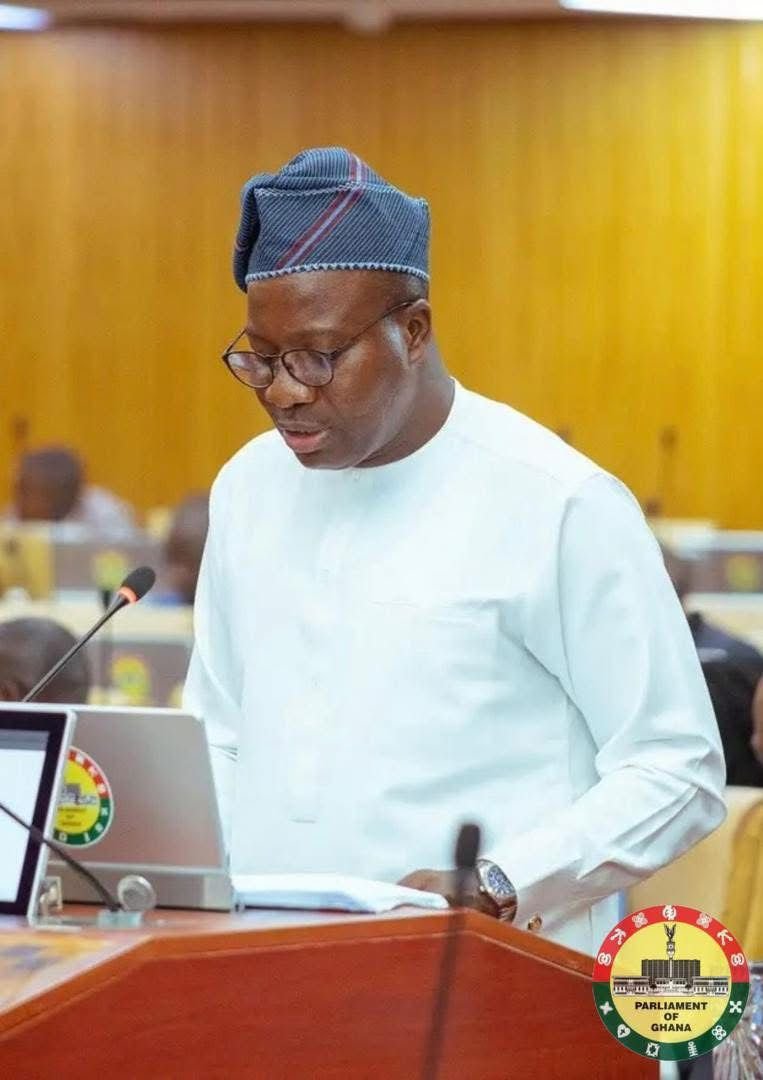
Government Statistician Dr. Alhassan Iddrisu
Accra, Ghana — Ghana’s inflation rate has dropped for the 11th consecutive month, reaching 6.3% in November 2025, according to the latest Consumer Price Index (CPI) report released by the Ghana Statistical Service (GSS). The figure marks the lowest inflation rate since the CPI rebasing in 2021, continuing the steady downward trend from 23.8% in December 2024
Government Statistician Dr. Alhassan Iddrisu, who presented the report, said the consistent drop reflects “a sustained shift in prices that signals Ghana is firmly on the path to macroeconomic stability.”
The year-on-year (YoY) decline from 8.0% in October to 6.3% in November represents a 1.7 percentage-point reduction and confirms an 11-month streak of easing prices. Month-on-month inflation rose slightly by 0.9%, indicating marginal price increases between October and November.
Food inflation fell to 6.6% from 9.5% in October, despite a 1.1% rise in month-to-month prices while Non-food inflation eased to 6.1% from 6.9%. Goods inflation slowed to 7.3% (from 9.3%), while services inflation decreased to 3.8%, providing what GSS described as “a relief for consumers where it matters most”
Despite the national decline, inflation remained uneven across regions. The North East Region recorded the highest inflation rate at 12.2%, while the Savannah Region posted a marginal –0.02%, the lowest in the country. The GSS attributes these regional variations to differences in local supply conditions, transport costs, and market access, noting that such disparities highlight the continued importance of targeted interventions in food storage, irrigation, and logistics.
In its recommendations, the Statistical Service advised households to “use this period of falling inflation to budget more intentionally, avoid unnecessary spending, and save whenever possible.” It urged the government to maintain fiscal discipline, stabilize food prices, and reduce regional disparities by improving infrastructure and supply chain systems.
Read Also