
Interior and Education Signs Mou to Produce Sanitary Pads, School Uniforms And Furniture
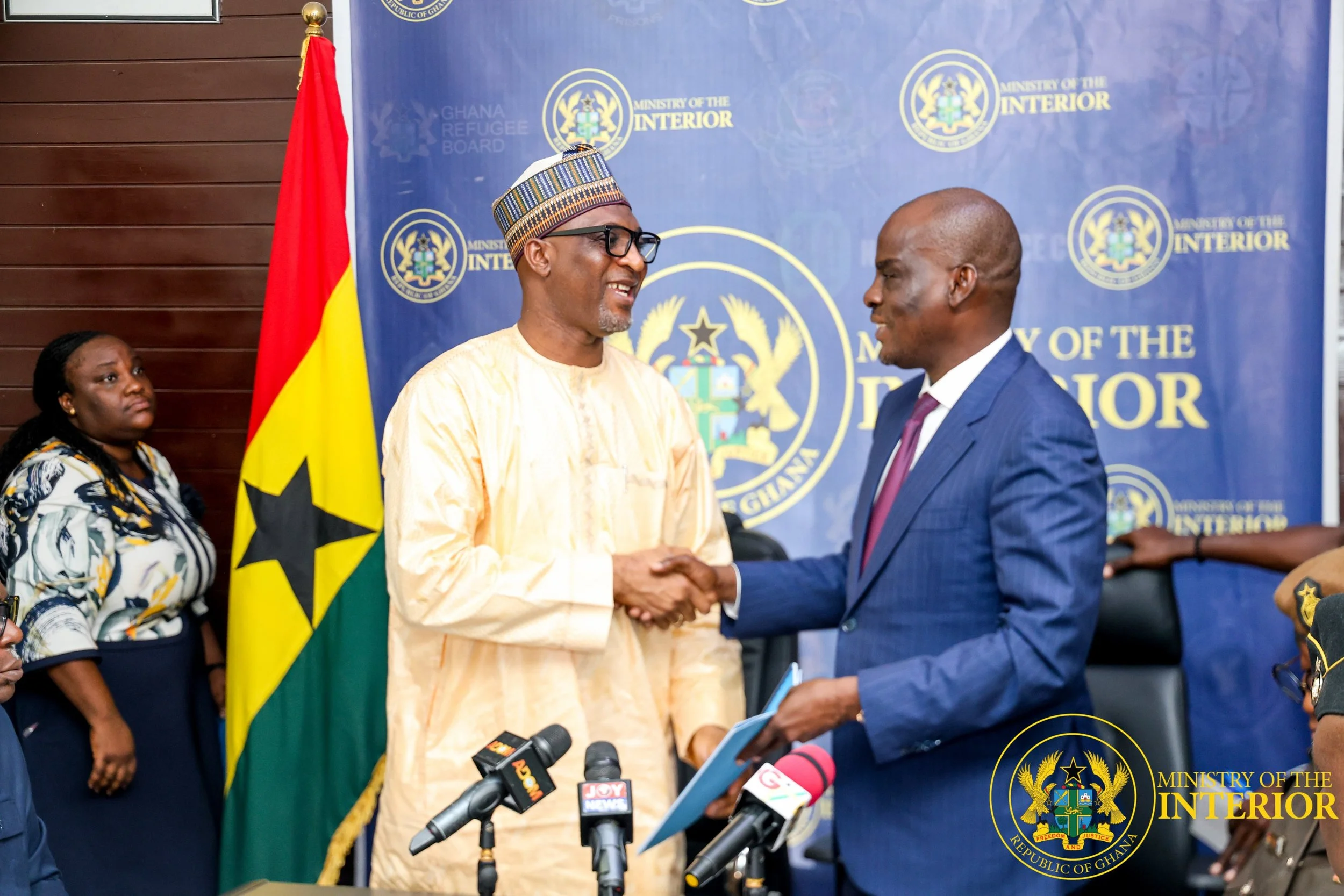
The Ministries of the Interior and Education have agreed that the Ghana Prisons Service will produce at least 30 percent of sanitary pads
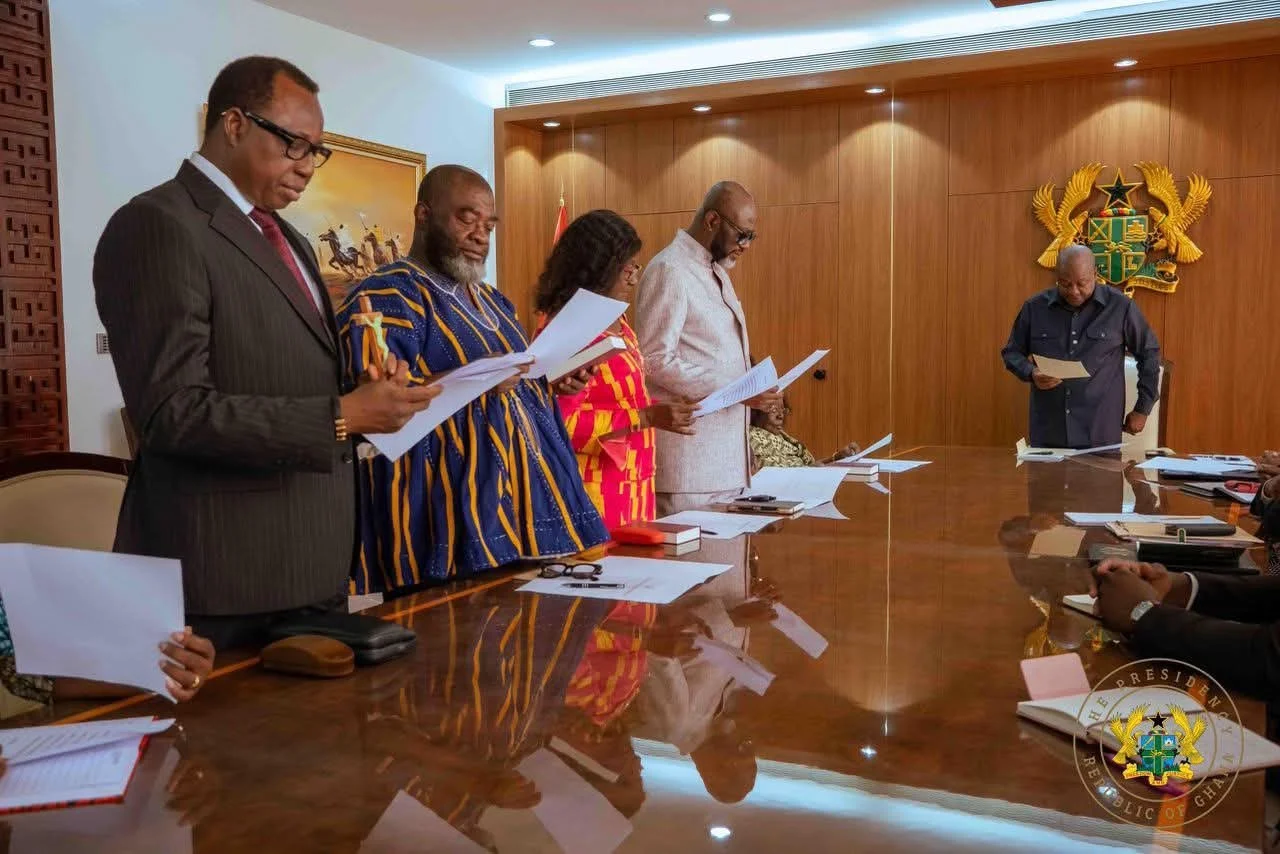
Accra , Ghana— The Ministries of the Interior and Education have agreed that the Ghana Prisons Service will produce at least 30 percent of sanitary pads, school uniforms, and classroom furniture for basic schools nationwide. This MoU, signed at the Ministry of the Interior in Accra, aims to boost local manufacturing, reduce costs, and use inmate rehabilitation to support national development priorities.
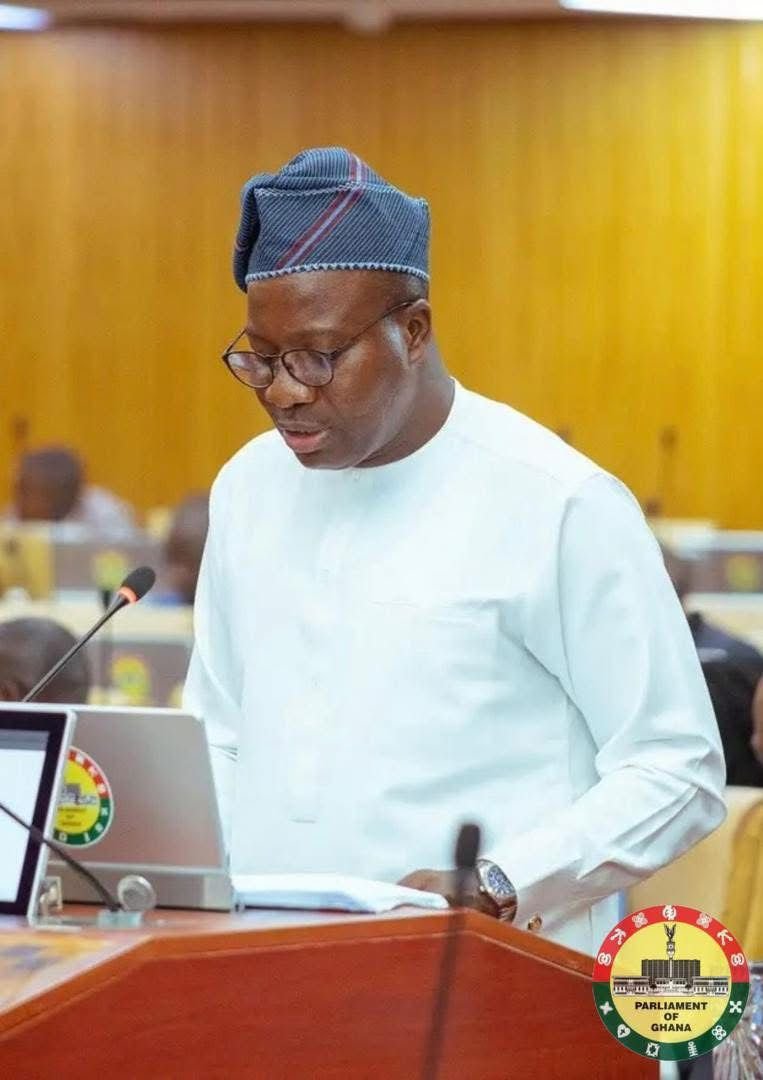
Interior Minister Muntaka Mohammed-Mubarak described the move as a deliberate policy shift that places education and domestic production at the heart of national transformation. Addressing officials and invited guests at the ceremony, he said the collaboration would not only ensure a steady supply of essential learning materials but would also embed state agencies more firmly into the country’s public procurement system. “This is how we build value for money, strengthen accountability and support national development,” he said.
The minister noted that the government expects the agreement to deliver multiple social and economic benefits. These include practical skills training for inmates, rehabilitation through productive work, income generation, and reduced reoffending after release. He added that a five-member implementation committee will guide the rollout of the initiative and praised the Prisons Service for taking up what he described as an “expanded national role.”
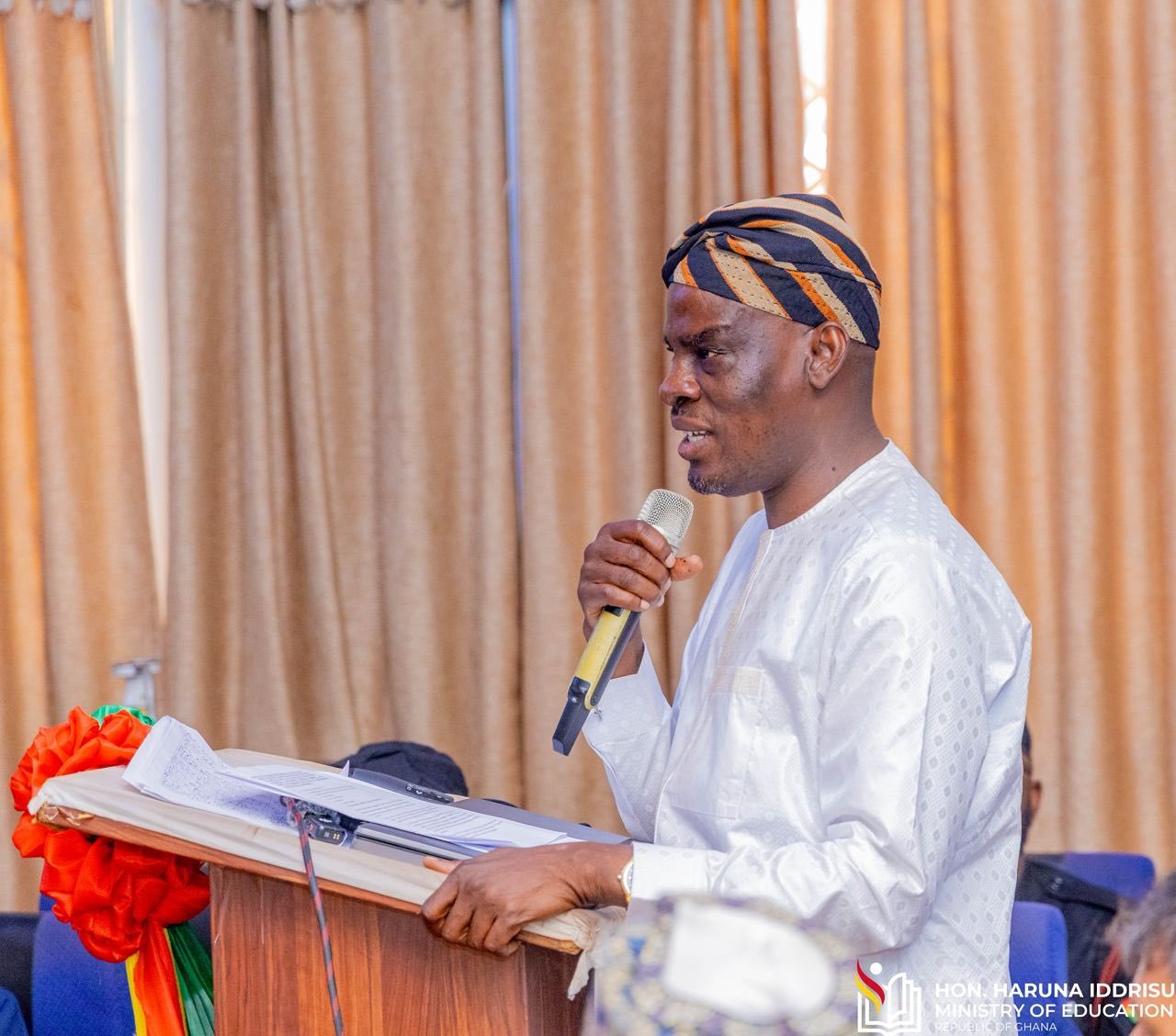
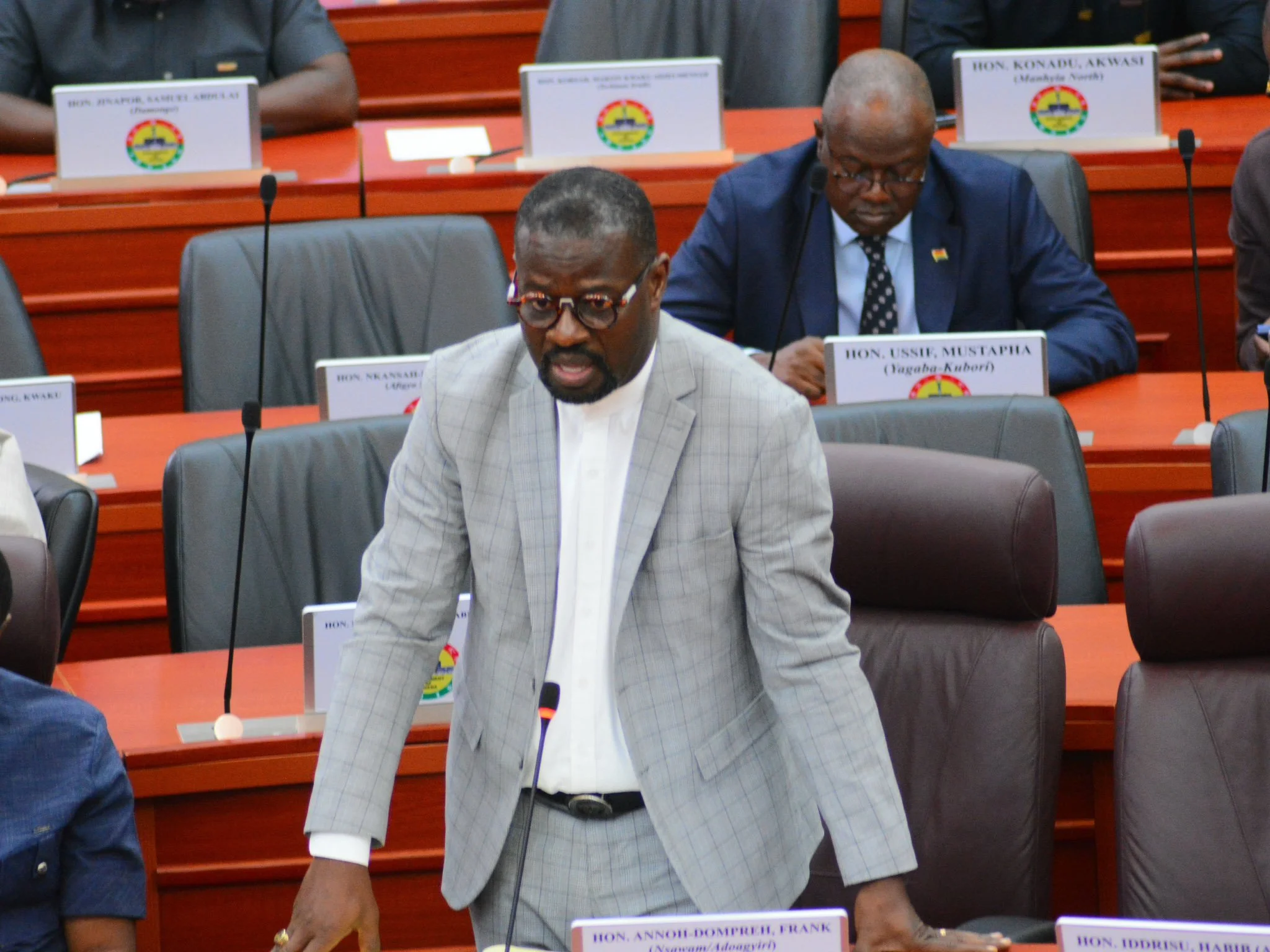
Education Minister Haruna Iddrisu said the partnership will formally add the Ghana Prisons Service to the education supply chain. He called it a way to transform the Service into a key part of the learning environment. He explained that many inmates return to crime because they lack skills. He described the agreement as a structured way to prevent this by offering training linked to national needs. “When inmates acquire a skill and are meaningfully engaged, the likelihood of returning to prison is reduced,” he said.
He also said the program uses a value-chain approach rooted in local production. Workshops and small manufacturing units will be set up in prison facilities to allow inmates to make goods themselves.
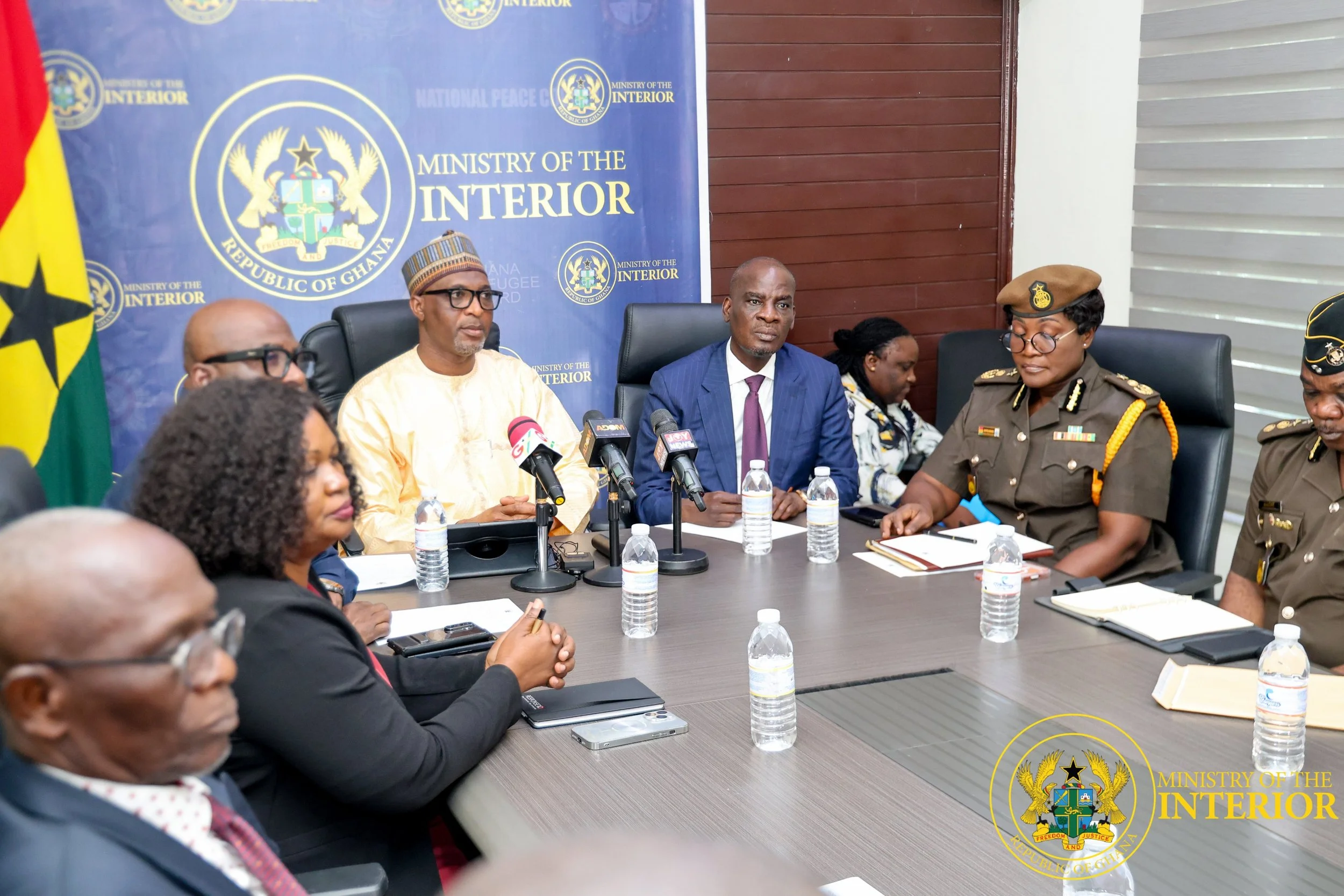
Director-General of the Ghana Prisons Service, Patience Baffoe-Bonnie together with Interior Minister Muntaka Mohammed-Mubarak and Education Minister Haruna Iddrisu.
Director-General of the Ghana Prisons Service, Patience Baffoe-Bonnie, said the Service is ready for this responsibility. She called the agreement a turning point. She said prison rehabilitation has struggled for decades due to limited investment and irregular industrial activity. The new mandate, she said, makes the Service both a correctional institution and a productive asset. “We see this as an opportunity to help achieve public safety by breaking the cycle of reoffending,” she said.
The initiative is expected to begin phased implementation this year, with production centers at selected prisons supplying materials to schools as part of the government’s plan to improve access to teaching and learning resources while expanding opportunities for inmates preparing to reintegrate into society.
Read Also