

Parliament Celebrates UNESCO Recognition of Highlife as Ghana’s Intangible Cultural Heritage
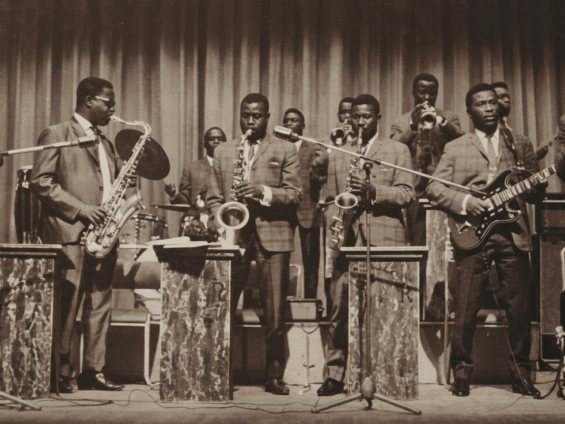
Ghana’s highlife band in the early 1990s.
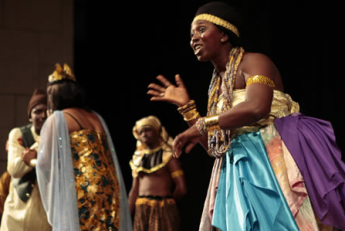
Accra, Ghana- Parliament on Friday celebrated Ghana’s latest cultural achievement as Highlife music and dance were officially recognized by UNESCO as part of the Intangible Cultural Heritage of Humanity for 2025. Announcing the news to the House, the Minister for Tourism, Culture, and Creative Arts, Hon. Abla Dzifa Gomashie, said the recognition honors Ghana’s musical roots and strengthens the country’s identity in the global creative industry.
“It is with profound honor that I announce to this august House the inscription of Highlife as an intangible cultural heritage of humanity originating from Ghana,” she said.
The Minister thanked UNESCO for its continued dedication to preserving cultural expressions and acknowledged President John Dramani Mahama for his leadership in supporting Ghana’s creative sector. “Highlife became the soundtrack of Ghana’s independence movement, a symbol of national pride and a cultural bridge connecting generations,” she told Parliament. “It defines us, feeds families, builds careers, and sustains communities.”
She explained that Highlife’s recognition was not just a celebration of art but also an acknowledgment of its social and economic impact, from creating jobs for musicians and event organizers to promoting tourism and cultural education. “The recognition of Highlife by UNESCO strengthens our resolve to do even more,” she added, pledging that her ministry would continue to protect the rights of cultural practitioners and support traditional communities that preserve Ghana’s heritage.
Contributing to the debate, the Member of Parliament for Takoradi, Hon. Kwabena Okyere Darko-Mensah, welcomed the UNESCO recognition but called for improved financial and welfare support for Ghanaian musicians, especially older ones. “Most musicians in Ghana always complain that they are not getting real value for their labor,” he said. “We need to ensure that when artists grow old, they can earn something from their work and live in dignity.”
He urged the Ministry of Tourism and its agencies to strengthen the management of intellectual property rights and ensure that royalties are properly distributed through organizations such as GAMRO.
“In America, music is money, and we should be able to make that same here in Ghana,” he said, recalling his long personal connection to music and Highlife’s influence in Takoradi.
At the end of his debate, Parliament observed a moment of silence in honor of Ghana’s late Highlife legends, including Nana Ampadu, Kwadwo Fosu (Daddy Lumba), and many others who contributed to the genre’s legacy.
“May our collective efforts continue to celebrate and respect diversity, strengthen unity, and secure a proud future for the generations that follow,” Hon. Gomashie said before leading the tribute.
Read Also







Behind radio jingles, television commercials and digital ads lies Ghana’s growing voice-over industry. Artists say success requires more than a good voice, blending acting, storytelling and business skills to turn talent into a career.