

Ghanaian Artist Ibrahim Mahama Makes History as First African to Top ArtReview’s Annual Power 100
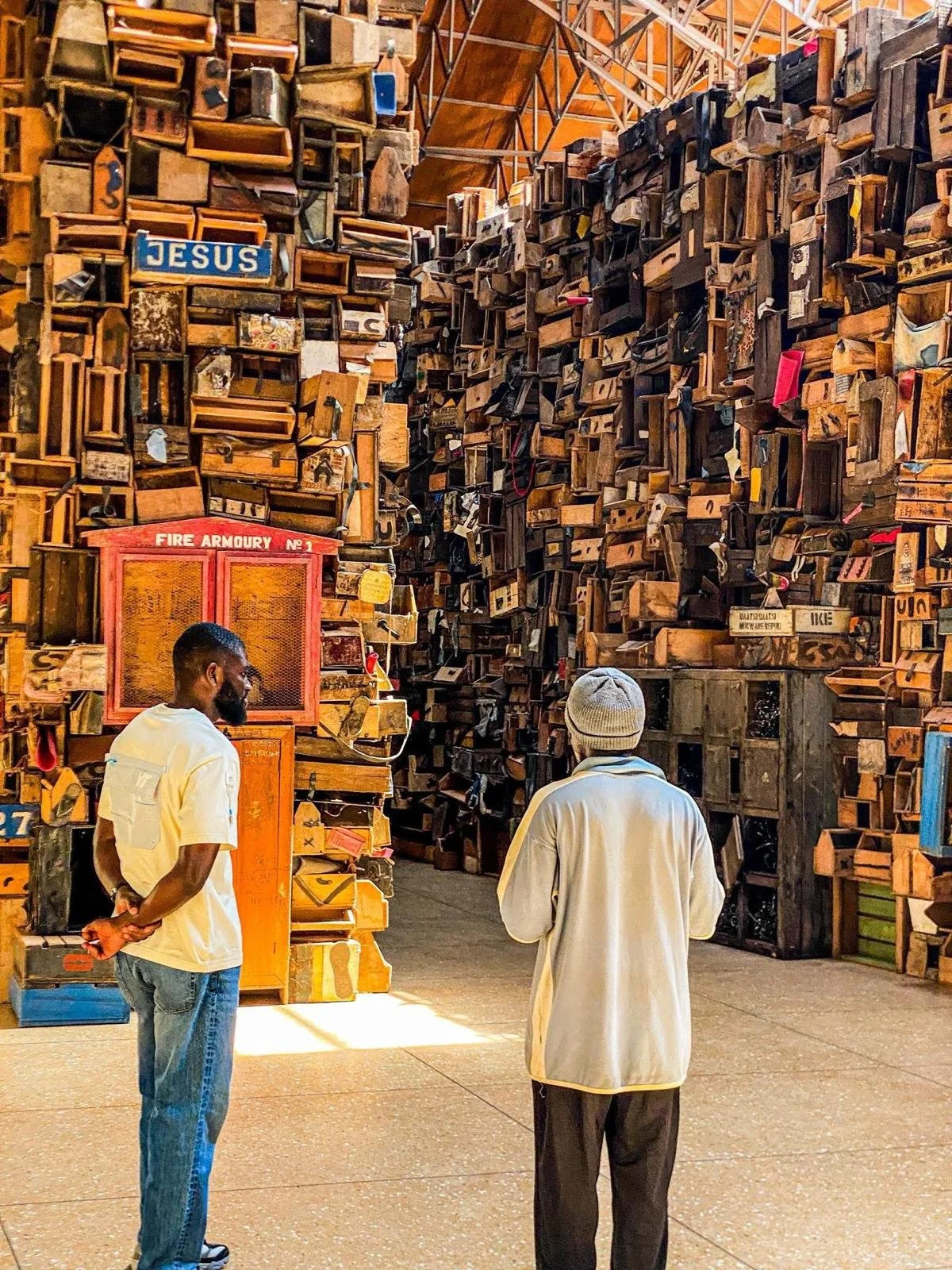
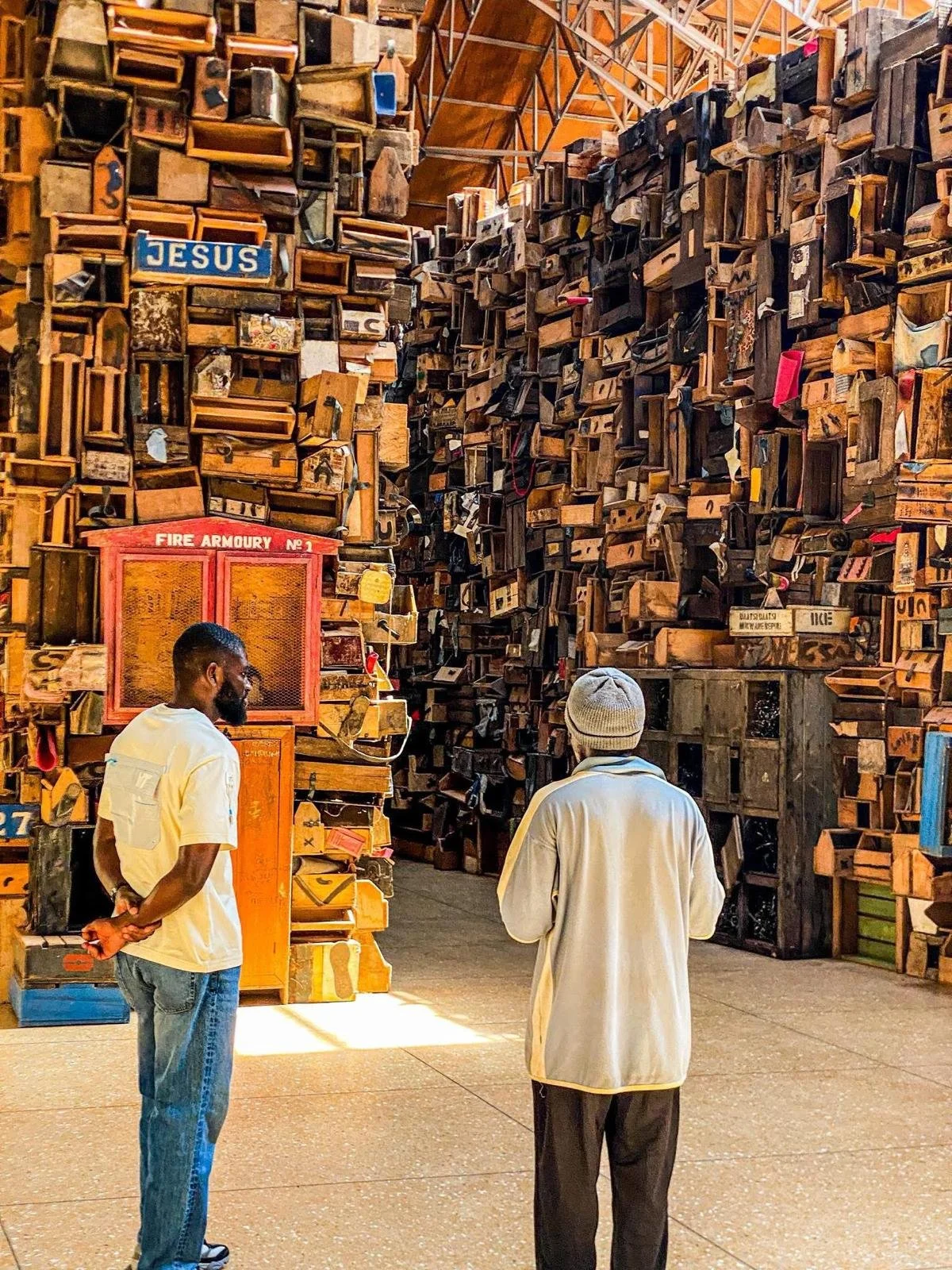
Installation by Ghanaian artist Ibrahim Mahama
Accra, Ghana- Ghanaian artist Ibrahim Mahama has made history as the first African to reach the No. 1 spot on ArtReview’s influential Power 100 list, an annual ranking that identifies figures shaping the global contemporary art world. The 2025 edition of the list, published by the London-based magazine on Thursday Dec 4, names Mahama as the most influential voice in international art today recognition not only of his artistic practice but also of his pioneering work building cultural institutions in northern Ghana.
Mahama, best known for monumental installations made from discarded jute sacks and industrial remnants, has spent the past decade transforming the landscape of art production and education in Ghana. Through projects such as the Savannah Centre for Contemporary Art (SCCA), Red Clay Studio, and Nkrumah Volini in Tamale, he has created spaces for artists, researchers, and local communities to collaborate and reimagine public art beyond gallery walls.
In a video seen on social media following the announcement, Mahama reflected on art’s potential to connect and transform. “Art is such a powerful tool because it allows us to open up the world,” he said. “It allows us to take very simple ideas and simple forms, open them up so everyone can share within them. I’m interested in how the artist is able to look at the system, take inspiration from it, and work with so many people to create a form that is beyond he or she.”
ArtReview’s editor-in-chief Mark Rappolt noted that Mahama’s rise represents a shift in the geography of global influence, signalling “a movement of creative energy from the Global North to the Global South” and the growing recognition of artists who build sustainable art infrastructures.
Other names in the 2025 top ten include Sheikha Al-Mayassa bint Hamad bin Khalifa Al-Thani (Qatar Museums), Sheikha Hoor Al Qasimi (Sharjah Art Foundation), and Wael Shawky, underscoring the expanding cultural footprint of Africa and the Middle East on the international art scene.
For many in Ghana’s creative community, Mahama’s recognition is both personal triumph and continental milestone, a validation of decades of artistic experimentation that bridges material history, labour, and collective imagination.
Read Also









Behind radio jingles, television commercials and digital ads lies Ghana’s growing voice-over industry. Artists say success requires more than a good voice, blending acting, storytelling and business skills to turn talent into a career.