

The Fabric of Nationhood: Embracing Traditional Attire as a Pillar of Ghanaian Identity
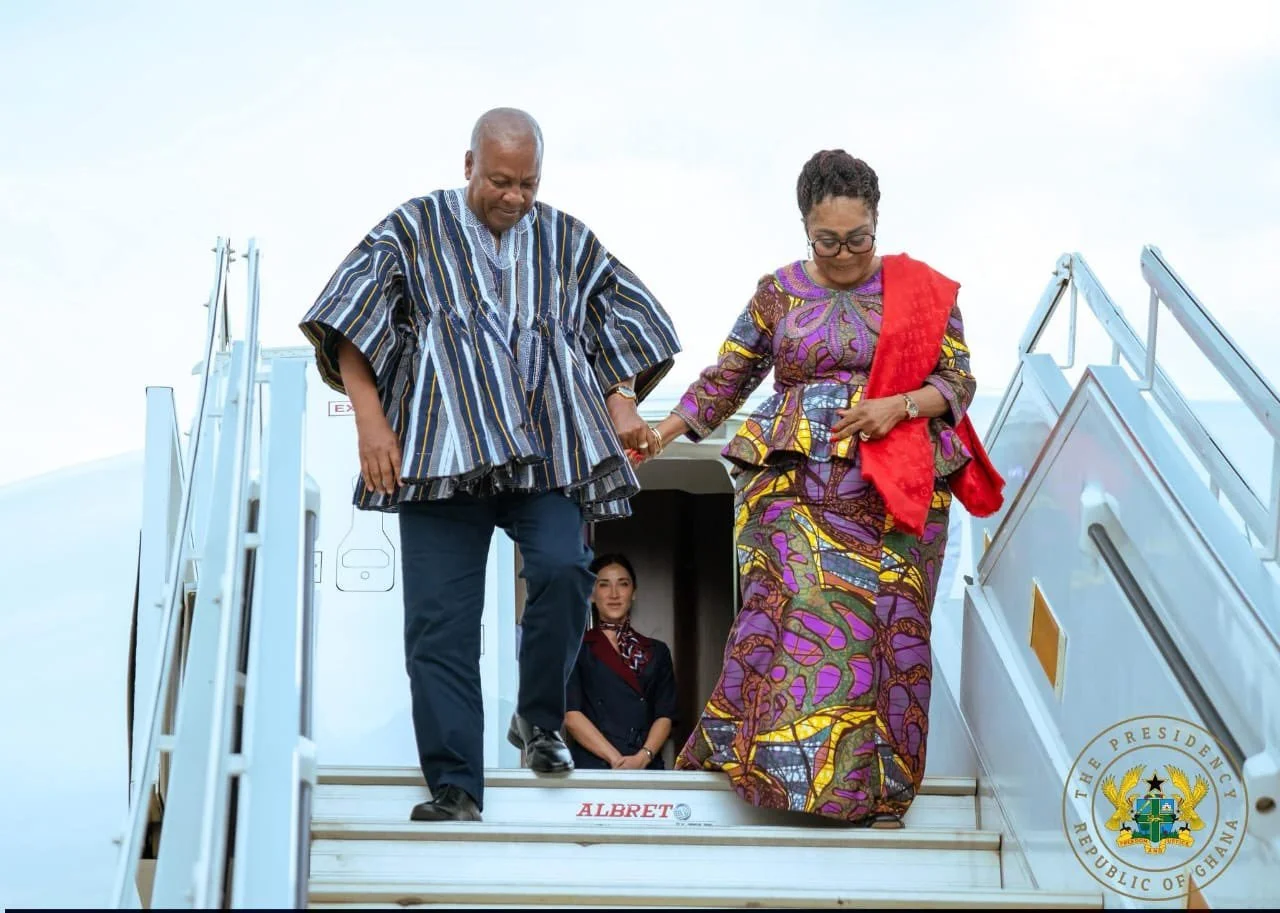
President John Dramani Mahama and First Lady Lordina Mahama arrive in Zambia for a 3-day visit.
Accra, Ghana- When President John Mahama wore a traditional Ghanaian fugu during his recent visit to Zambia, what began as light online banter quickly evolved into a wider conversation about cultural identity and diplomatic symbolism. This reaction underscores how, for Ghanaians, such attire is more than clothing, it is a visible assertion of identity and pride. While some in Zambia mocked it as a “blouse,” overlooking its heritage and significance, many in Ghana saw it as a proud affirmation of local craftsmanship and national self-expression on the international stage.
For decades, Ghanaian leaders have consciously incorporated traditional attire into state functions, international diplomacy, and ceremonial occasions. Former presidents consistently chose Ghanaian garments for official visits, inaugurations, and high-profile gatherings. This sartorial decision represented more than aesthetics; it marked a quiet yet deliberate shift away from colonial-era Western suits toward a culturally grounded, self-assured African image.
That tradition of using dress for messaging persisted into recent times. During the COVID-19 lockdown, former President Nana Akufo-Addo’s televised “Fellow Ghanaians” addresses became a national ritual. Beyond the policy updates, many citizens paid close attention to the symbolic attire he wore garments that often carried visual meaning and sparked public curiosity.
Ghana’s use of traditional dress as diplomatic language is longstanding. The country has a proud tradition of presenting kente cloth to visiting foreign dignitaries as a symbol of honor and cultural exchange. Zambia’s first president, Kenneth Kaunda, received kente in 1964. Former U.S. President Bill Clinton and First Lady Hillary Clinton were similarly honored in 1998. More recently, U.S. Vice President Kamala Harris, Colombian Vice President Francia Elena Márquez Mina, German President Frank-Walter Steinmeier, and Suriname’s President Jennifer Geerlings-Simons have all been wrapped in kente, gestures that underscore Ghana’s cultural confidence and national pride.
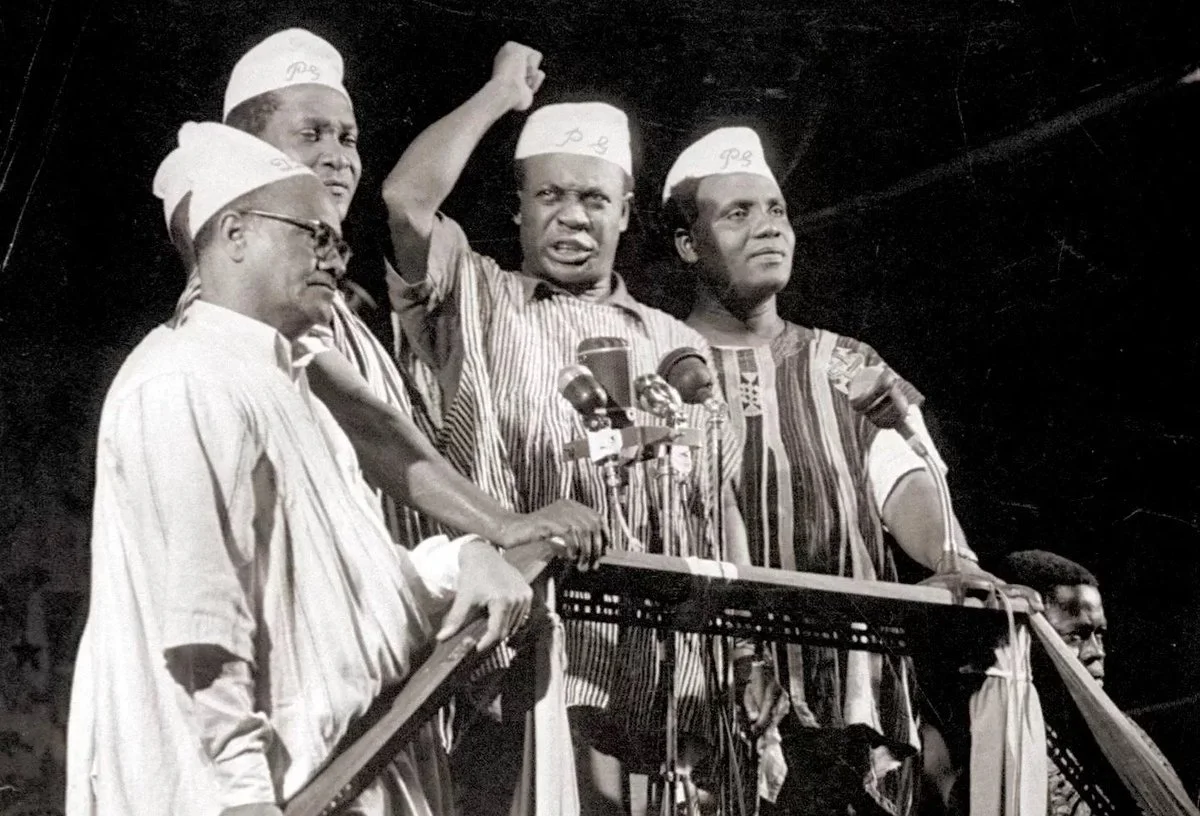
Ghana’s First President Osagyefo Dr. Kwame Nkrumah dressed in batakari.
This symbolism traces back to independence. On March 6, 1957, Ghana’s first president, the Pan-Africanist Osagyefo Dr. Kwame Nkrumah, declared independence dressed in batakari, also known as fugu. He stood alongside figures such as Komla Agbeli Gbedemah, Kojo Botsio, Archie Casely-Hayford, Krobo Edusei, and N.A. Welbeck, all similarly attired. In that moment, the garment was transformed. What had once been associated with northern warriors or rural communities became a powerful emblem of freedom and liberation.
In Ghana today, clothing continues to function not only as a necessity but as a visible expression of heritage. Traditional garments include vibrant wax prints such as Sika Wo Antaban, Highlife, Akyekyedeɛ, Sugarcane, Gramophone Plate, and Nsubura; dashiki; tie-dye; batik stamped with Adinkra symbols; intricately handwoven kente designs such as Fathia Fata Nkrumah, Sika Futuro, Nyame Ne Ma Anidaso, and Osonoah; and batakari, commonly known as the smock or fugu, which originates from northern Ghana.
These garments are worn at weddings, graduations, funerals, naming ceremonies, festivals, and official state events. They preserve ancestral traditions, honor royalty, and foster communal pride. Their styling has evolved over time, reflecting a broader cultural shift toward personal expression and individuality. Their enduring appeal also derives from narrative power. Many fabrics incorporate proverbs and symbolic motifs, enabling a subtle, non-verbal dialogue between the wearer and the observer. Cloth becomes language.
In recent years, this cultural affirmation has been reinforced by policy and public campaigns. The Ministry of Tourism’s “#EatGhana #SeeGhana #WearGhana” initiative actively promotes Ghanaian identity through cuisine, historical exploration, and traditional attire. The campaign has stimulated demand for locally crafted goods, particularly clothing a fundamental human need, as even Maslow’s hierarchy of needs would suggest.
Read Also






Behind radio jingles, television commercials and digital ads lies Ghana’s growing voice-over industry. Artists say success requires more than a good voice, blending acting, storytelling and business skills to turn talent into a career.