
Ghana’s Informal Economy: How Mobile and Open-Space Businesses Power Millions of Livelihoods
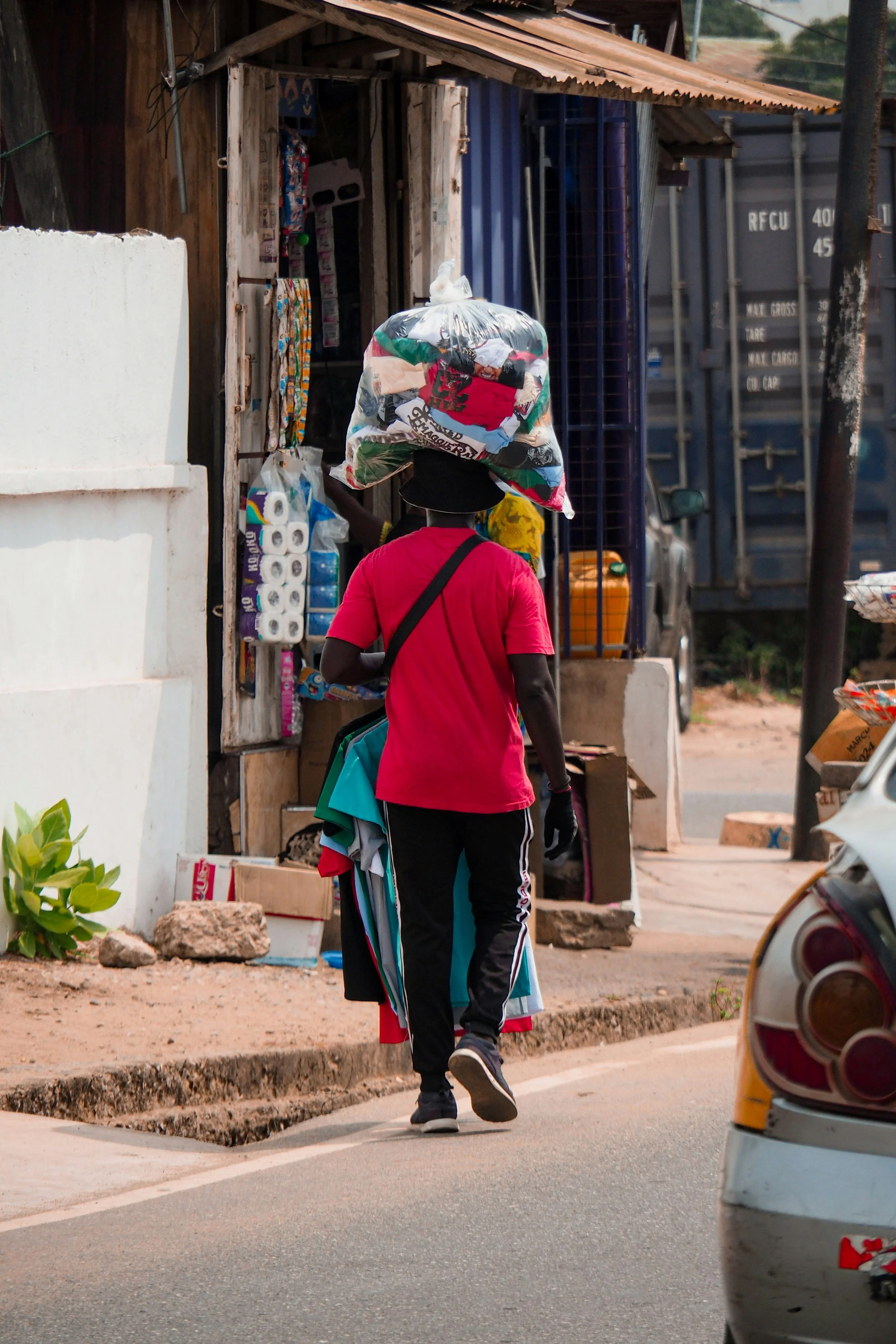
Ghana’s informal sector is not marginal but central.
Accra, Ghana- For years, economists have highlighted the informal sector’s major contribution to Ghana’s economy. Across the country, business is everywhere: on heads, in baskets, carts, and under makeshift sheds. A new national survey is putting numbers to what many have observed, proving that Ghana’s informal sector is not only marginal but central.
According to the Ghana Statistical Service’s Integrated Business Establishment Survey (IBES I), Ghana has 2.64 million businesses. These include formal establishments, open-space enterprises, and mobile traders. Specifically, about 700,000 are open-space enterprises (26.3% of all businesses), and over 82,000 are mobile businesses (3.1% of the total). This demonstrates their significant presence within Ghana’s broader economy and emphasizes how they are often excluded from traditional statistics.
Open-space businesses, as defined by IBES I, are those operating in fixed locations without permanent structures. The survey finds there are exactly 693,748 open-space businesses across Ghana, together employing 922,258 people. For many Ghanaians, these are familiar businesses, such as roadside food vendors, small kiosks, and traders set up outside formal markets. IBES I data announced by Government Statistician Dr Alhassan Iddrisu on Thursday March 19, shows that 68.4% of all open-space businesses are in food and beverage sales, underlining their key roles in both commerce and daily subsistence.
This availability reflects resilience: nearly 63.7% of these businesses operate at least six days a week, with some running every day, especially in the North. However, many open-space businesses earn relatively low daily income. The survey reports that 31.3% make GH¢100 or less each day, while about 20% earn GH¢500 or more per day. This tension, long hours with uneven returns, illustrates the unstable balance between opportunity and vulnerability in the informal sector.
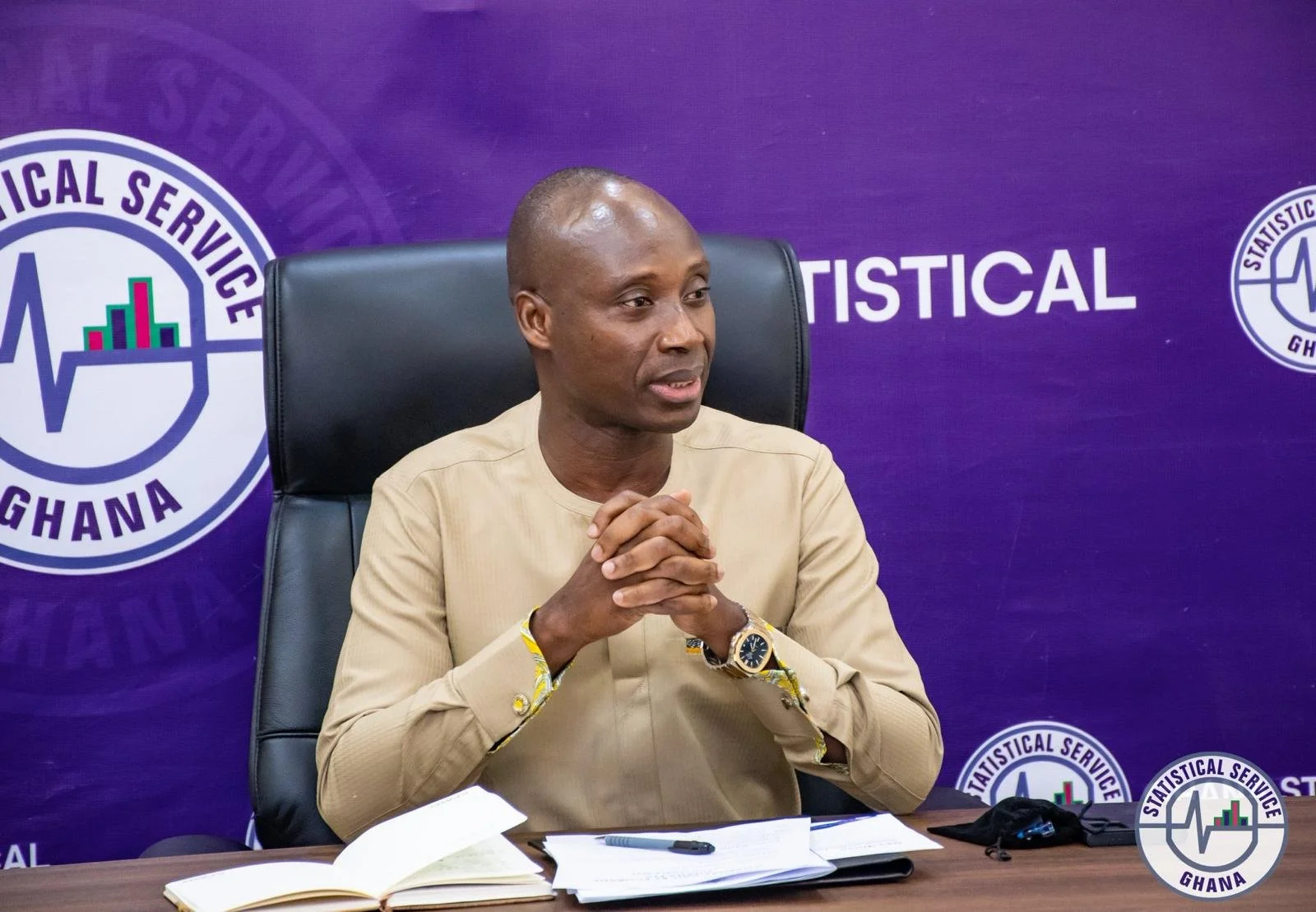
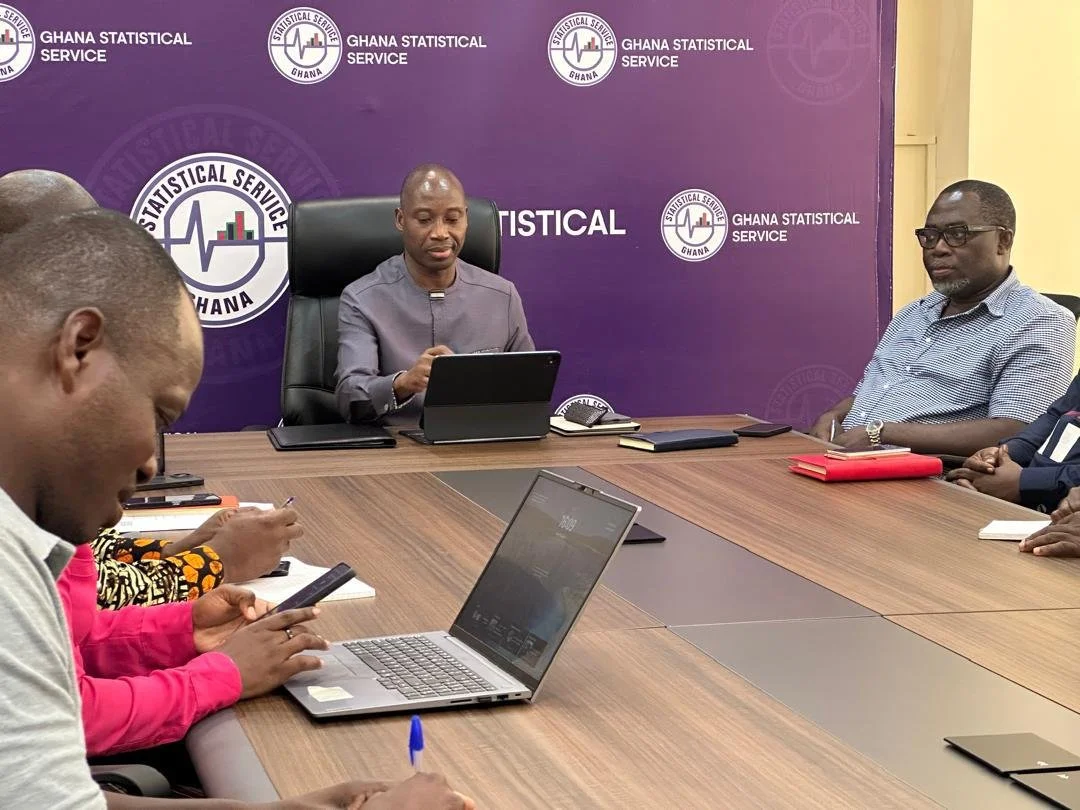
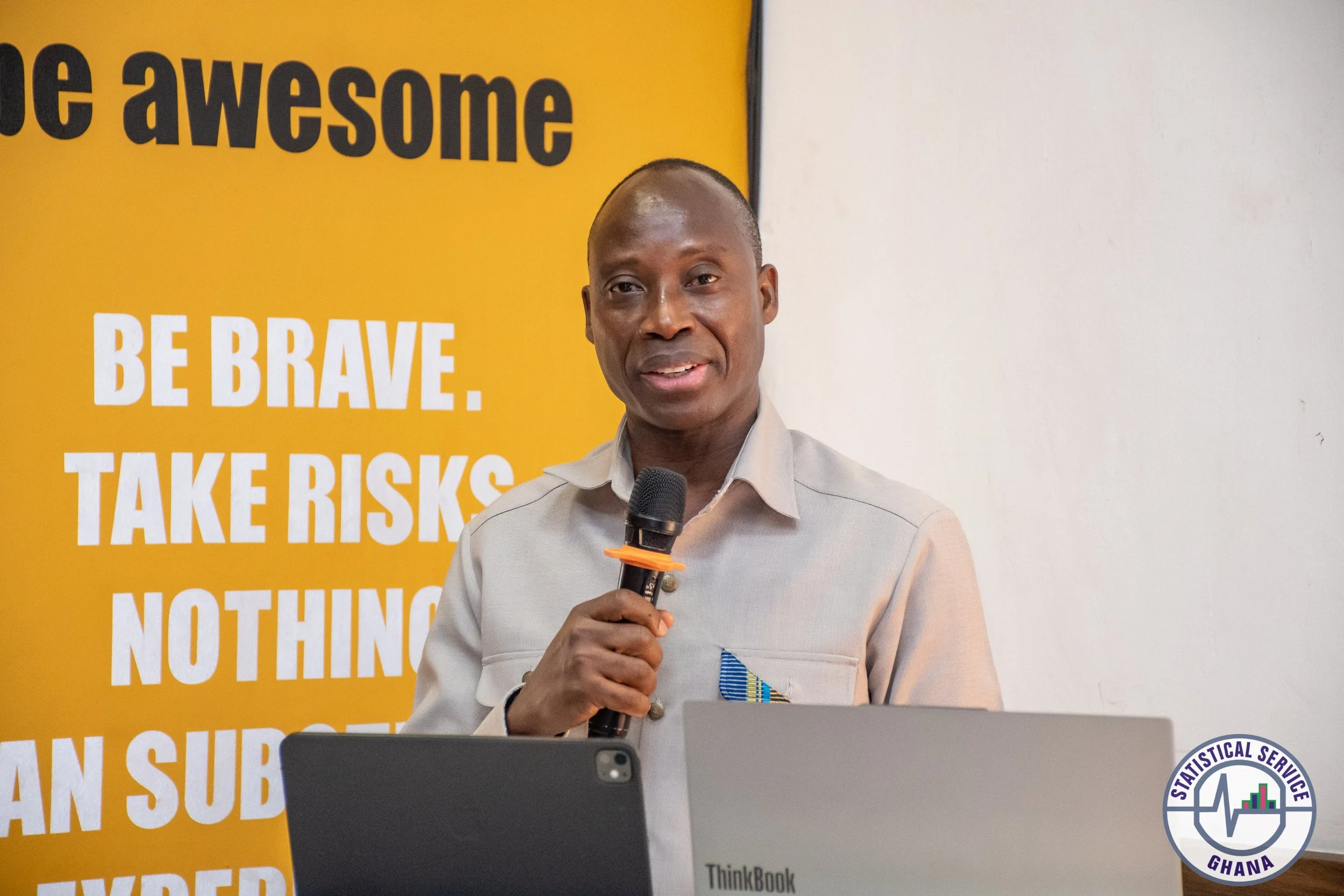
Government Statistician Dr Alhassan Iddrisu (PhD) presents the Integrated Business Establishment Survey (IBES I)
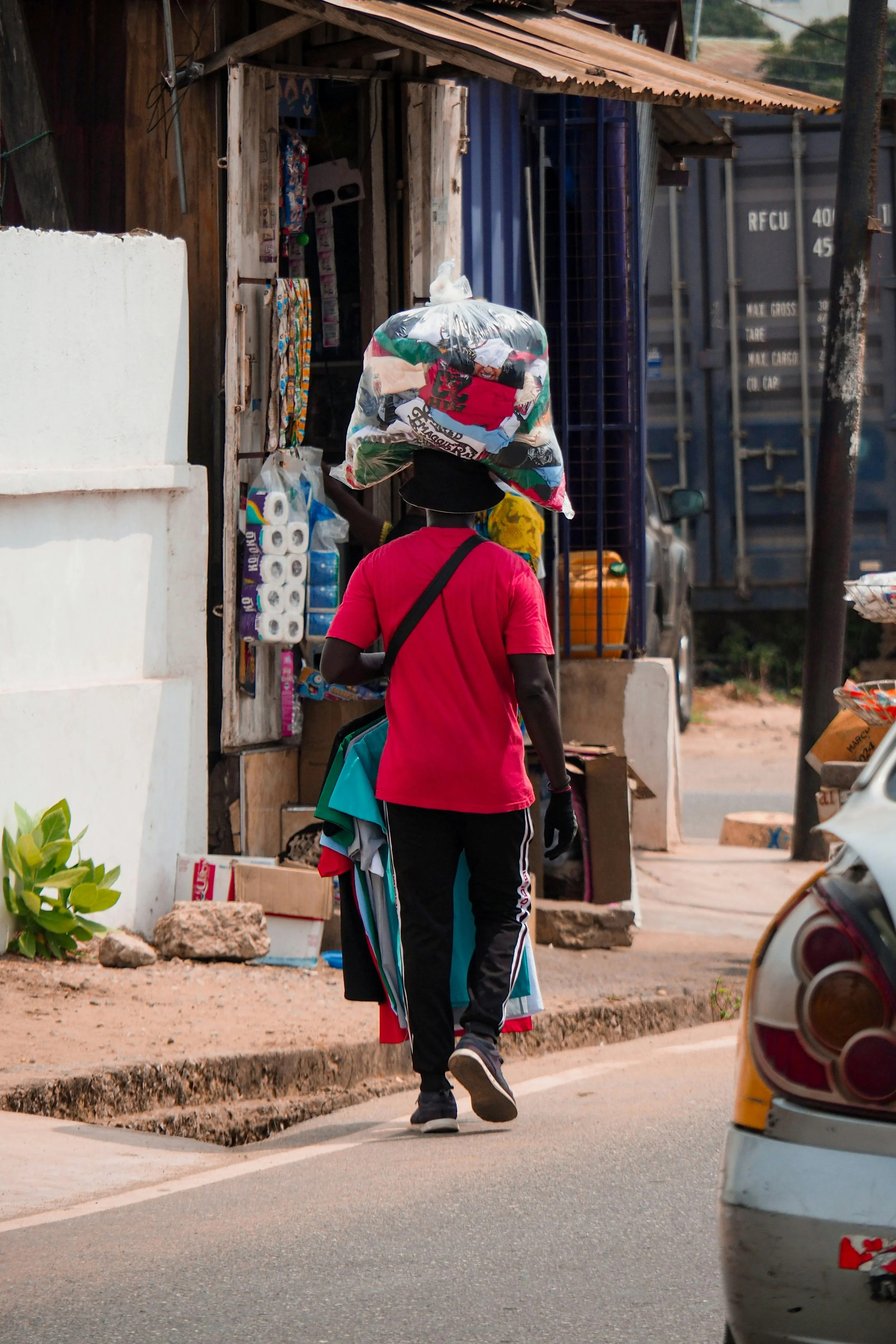
Another remarkable finding by the report is the dominant role of women. Women play a major role in open-space businesses, accounting for 79.5% of workers and 84% of business owners in this segment. This makes the sector a key driver of female economic participation. In mobile businesses, those operated without fixed locations, women represent 77.5% of all operators, according to IBES I results.
These are the women seen daily selling food, water, clothing, and essentials in traffic and neighborhoods, commonly serving as primary income earners for their households. Their predominance is shaped by the structure of mobile and open-space businesses, low entry barriers, flexible hours, and minimal capital, making them especially accessible where formal employment is scarce.
Beyond gender, the data also highlights youth participation. IBES I data show that among mobile business operators, 60% are aged 15-35, making this sector a leading entry point for young Ghanaians. For many, these businesses offer more than survival, they are often the first step into entrepreneurship. The data also show that more than 2,000 children aged 10 to 14 are involved in mobile businesses. A significant portion of work is done for someone else, rather than independently.
This dual reality of opportunity and risk, highlights the need for stronger education, child protection, and youth employment policies. More than 33% of mobile business operators work at least 9 hours per day. Among non-Ghanaian traders, many work more than 8 hours per day, reflecting longer working hours in this group.
Most mobile businesses operate in cities and commercial centers. IBES I finds the highest concentrations in the Greater Accra and Ashanti regions, indicating higher demand and more opportunities in these areas. Retail trade, especially food sales, dominates mobile businesses, 63.6% are in retail food sales, according to IBES I, highlighting their prominent role in community life.
Given that nearly one-third (about 29.6%) of all Ghanaian businesses operate outside formal structures (per IBES I), economic planning, urban policies, and financial inclusion efforts must take this large segment into account.
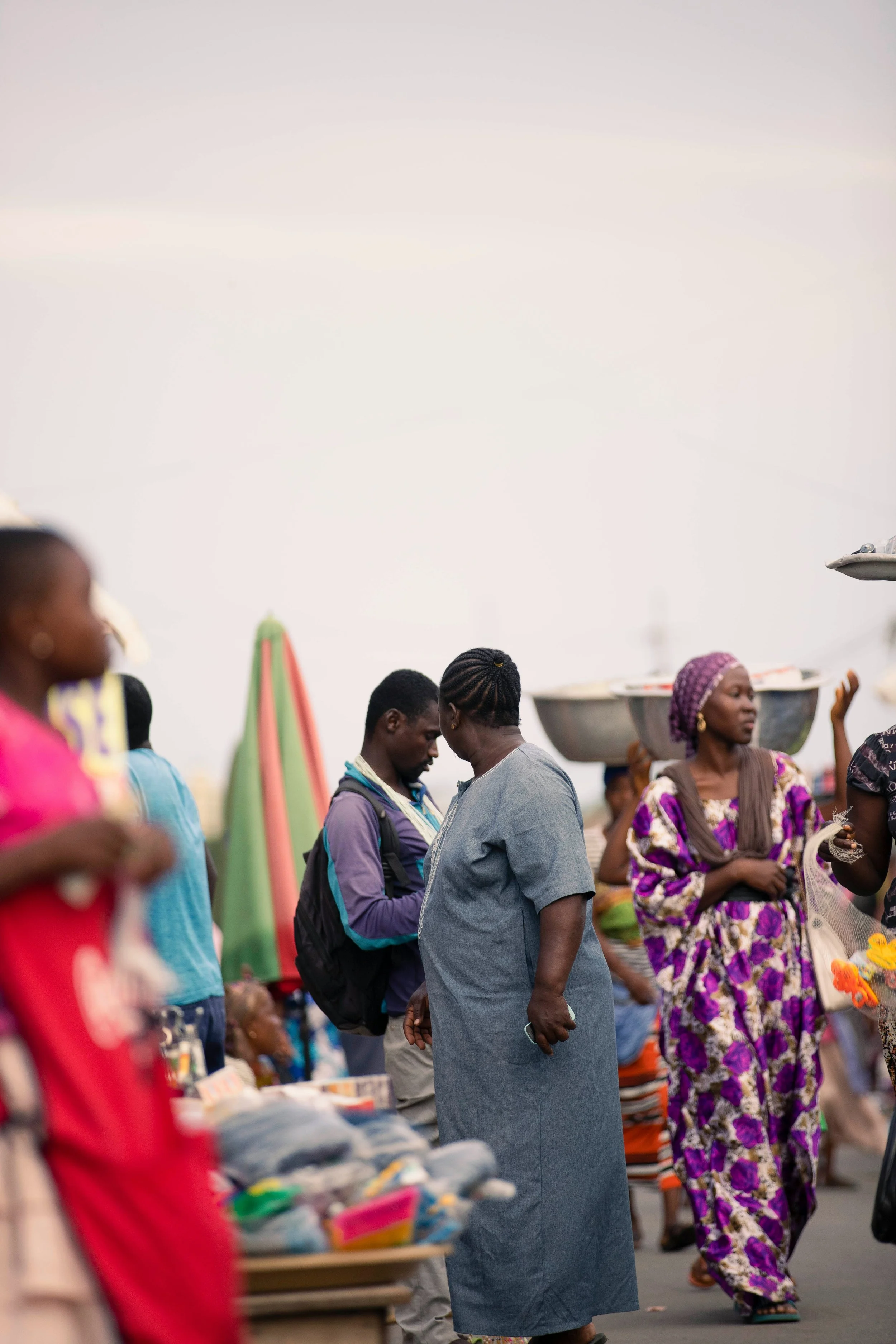
Trading on the streets of Accra.
Recommendations from the report point toward investing in market infrastructure such as sanitation, lighting, and storage. Dr Alhassan Iddrisu also called of the expansion of access to microcredit and digital financial services, providing training in business management and digital skills, supporting youth transitions into stable enterprises and finally strengthening enforcement of child labour protections.
The data confirm that informal businesses are not marginal but central to the economy.
Together, mobile and open-space businesses provide jobs, income, and access to goods for millions of Ghanaians, particularly women and young people, as documented by IBES I.
Read Also