
BoG Launches Strategic Bank Listing Reform to Unlock GH¢100bn Pension Capital

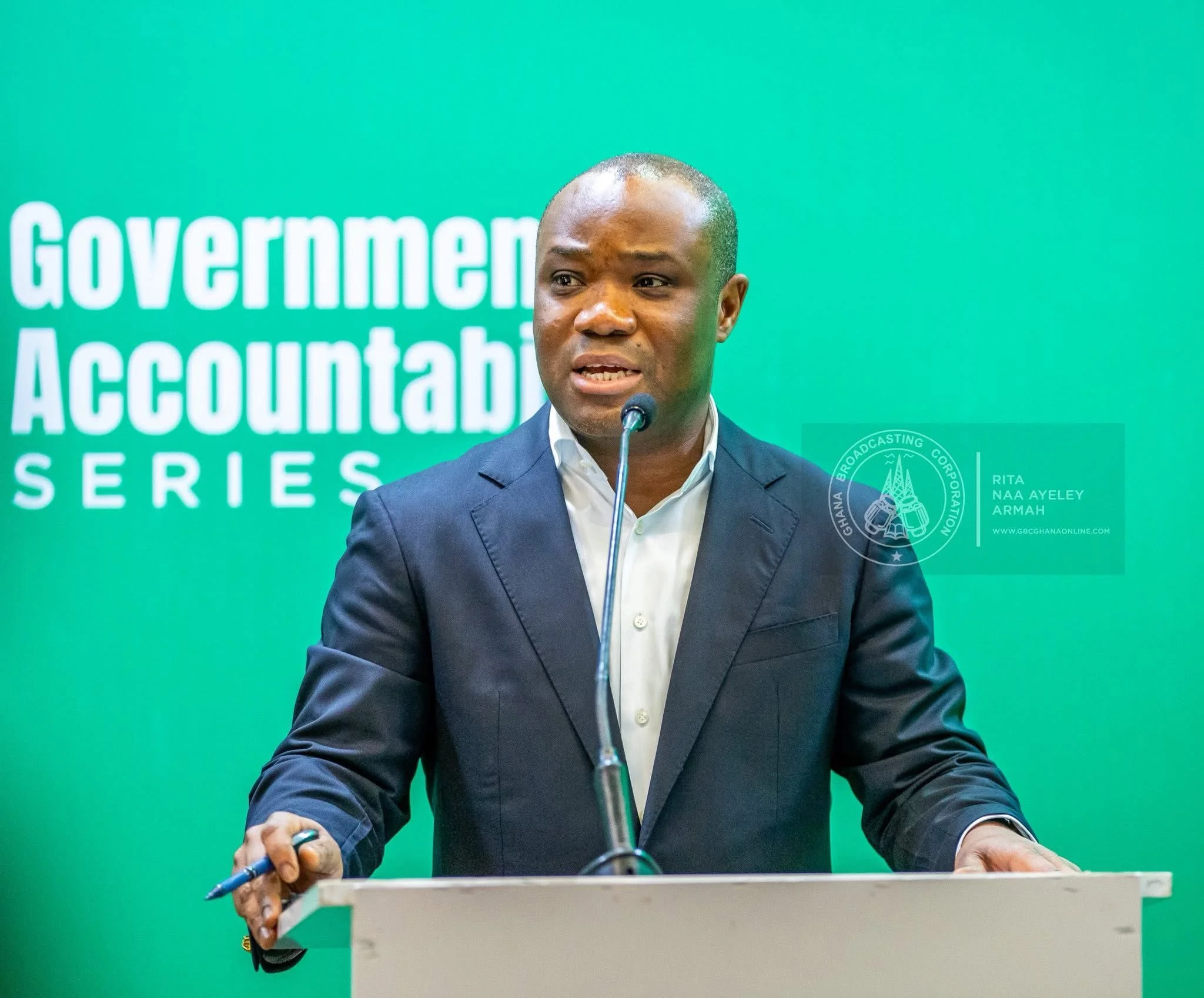
Bank of Ghana Governor, Dr. Johnson Pandit Asiama, launches the Steering and Technical Committees for the Bank Listing Project at the Bank Square.
Accra, Ghana- On Tuesday, 10 February 2026, Bank of Ghana Governor, Dr. Johnson Pandit Asiama, launched the Steering and Technical Committees for the Bank Listing Project at the Bank Square. Highlighting the project's importance, he identified its key benefits as promoting transparency, market discipline, and aligning long-term domestic savings with banking-sector growth. He emphasised that the project is “not a technical or procedural exercise, but a strategic response to structural changes already underway in our financial system.”
Dr. Asiama noted that Ghana has “one of the largest pools of investible capital in the economy” with pension fund assets topping GH¢100 billion. He stressed that bank listings promote “transparency, market discipline, and connecting long-term domestic savings with the banking system.”
He charged the Committees to deliver “a framework that is practical, credible, and grounded in Ghana’s realities,” while safeguarding financial stability and confidence.
The launch marks a significant step in the Bank of Ghana’s broader financial sector reform agenda. While listing banks on the Ghana Stock Exchange may appear procedural, the Governor framed it as structural, a deliberate shift toward deeper capital market integration and stronger governance standards.
According to Dr. Asiama, Ghana’s financial system has evolved significantly. Yet, much of the country’s large domestic capital pool remains underutilised in supporting long-term banking sector growth.
Bank listings, he explained, are designed to change that dynamic. By opening banks to broader ownership and subjecting them to public market discipline, the sector can enhance transparency, strengthen governance, and improve investor confidence. In doing so, long-term domestic savings can be more deliberately aligned with banking sector expansion and economic development.
The Governor also acknowledged that Ghana’s banking landscape is diverse. Some institutions are already listed; others remain foreign-owned, and some have significant state involvement. For that reason, he cautioned that any listing framework must be carefully sequenced and sensitive to institutional differences, ensuring that reform does not compromise financial stability.
Beyond governance reforms, Dr. Asiama highlighted the broader economic implications. As banks increasingly interface with capital markets, share price performance and investor sentiment could begin to influence confidence and monetary policy transmission. The reform, therefore, requires coordination among financial supervision, market regulation, and macroeconomic policy.
The Steering and Technical Committees have been tasked with crafting an implementation roadmap that balances ambition with prudence. The Governor’s directive was clear: develop a system that enhances transparency and access to capital without undermining stability or public trust.
If successful, the Bank Listing Project will help Ghana mobilize domestic capital, strengthen bank governance, and better connect pension savings to financial intermediation.
Read Also