

Gold Coast Refinery Begins Processing 1 Ton of Gold Weekly – ato Forson
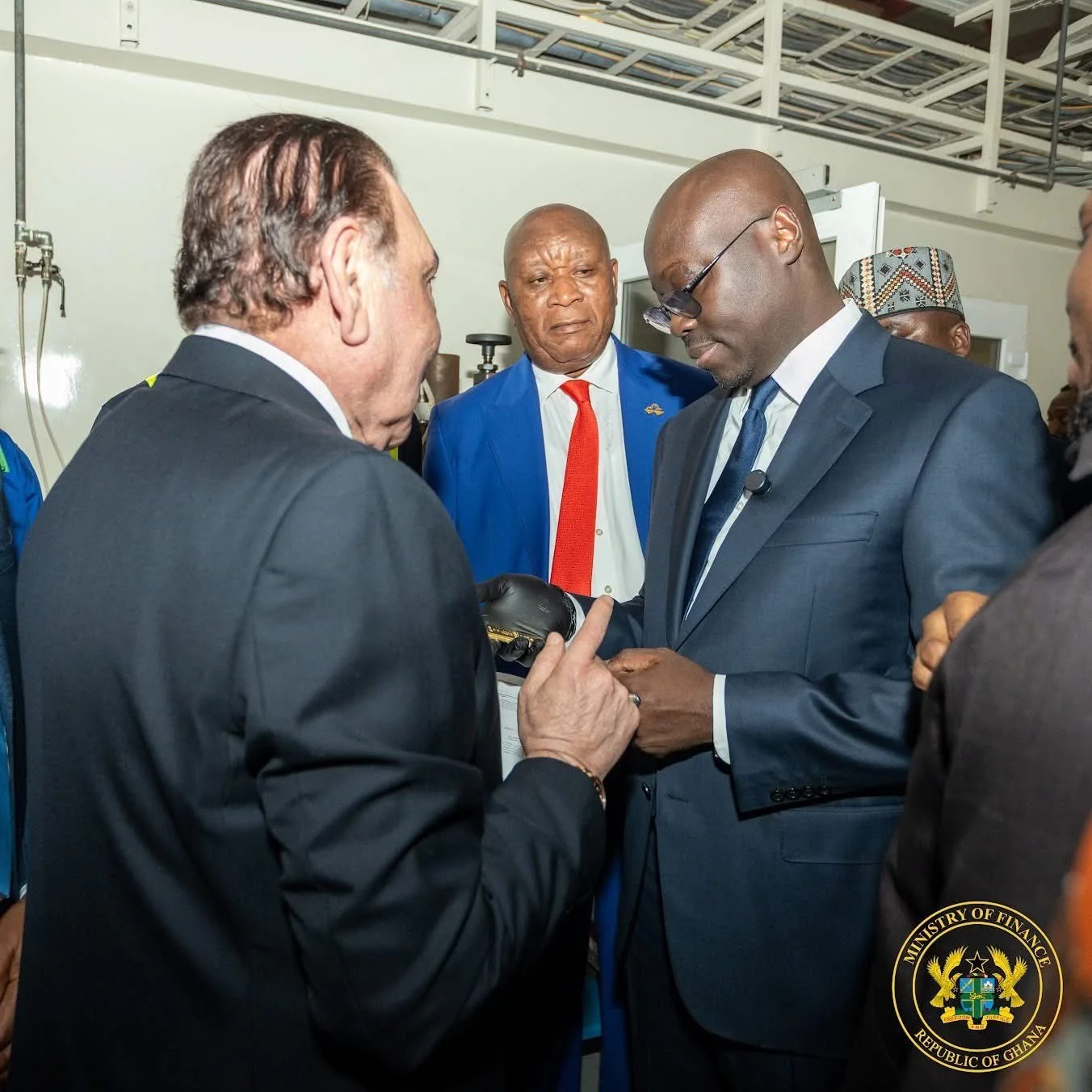
Finance Minister of Ghana, Dr Cassiel Ato Forson inspected the Gold Coast Refinery, a facility that represents a major step in Ghana’s industrial and economic transformation. Photo credit MoF
Accra, Ghana — Ghana has begun refining one ton of gold every week locally at the Gold Coast Refinery, marking a major step toward ending the export of raw gold, Finance Minister Dr. Cassiel Ato Forson has announced.
Speaking to the press on behalf of the government, the Finance Minister confirmed that the refinery is now fully operational under the supervision of the Ghana Gold Board and in partnership with Rand Refinery.
He congratulated the Ghana Gold Board and the management of the Gold Coast Refinery for what he described as the successful implementation of a long-standing national vision. “This shows clearly that the vision of His Excellency the President has been implemented,” Mr. Forson said.
He recalled that the refinery was officially opened in 2016 by John Dramani Mahama, but the project stalled after that administration left office. “When President Mahama left office in 2016, the vision was never implemented. We returned to the office in 2025 and revived it,” he stated.
According to the Finance Minister, the refinery's revival followed the establishment of the Ghana Gold Board, announced during President Mahama’s first State of the Nation Address in January 2025. Parliament later passed the Ghana Gold Board Act in the first half of the year, and the Board began operations in April.
Since then, the Board has been buying gold from artisanal and small-scale miners for export and local refining.
Mr. Forson said the refinery currently has the capacity to refine up to two tons of gold per day, but will begin with one ton per week, with plans to scale up to two tons weekly in the near future. “Gold Board has agreed to supply the refinery with one ton of gold every week. This will be increased to two tons per week in no time,” he said. He added that the Ghana Gold Board now has the capacity to purchase an average of 2.5 tons of gold per week from local miners.
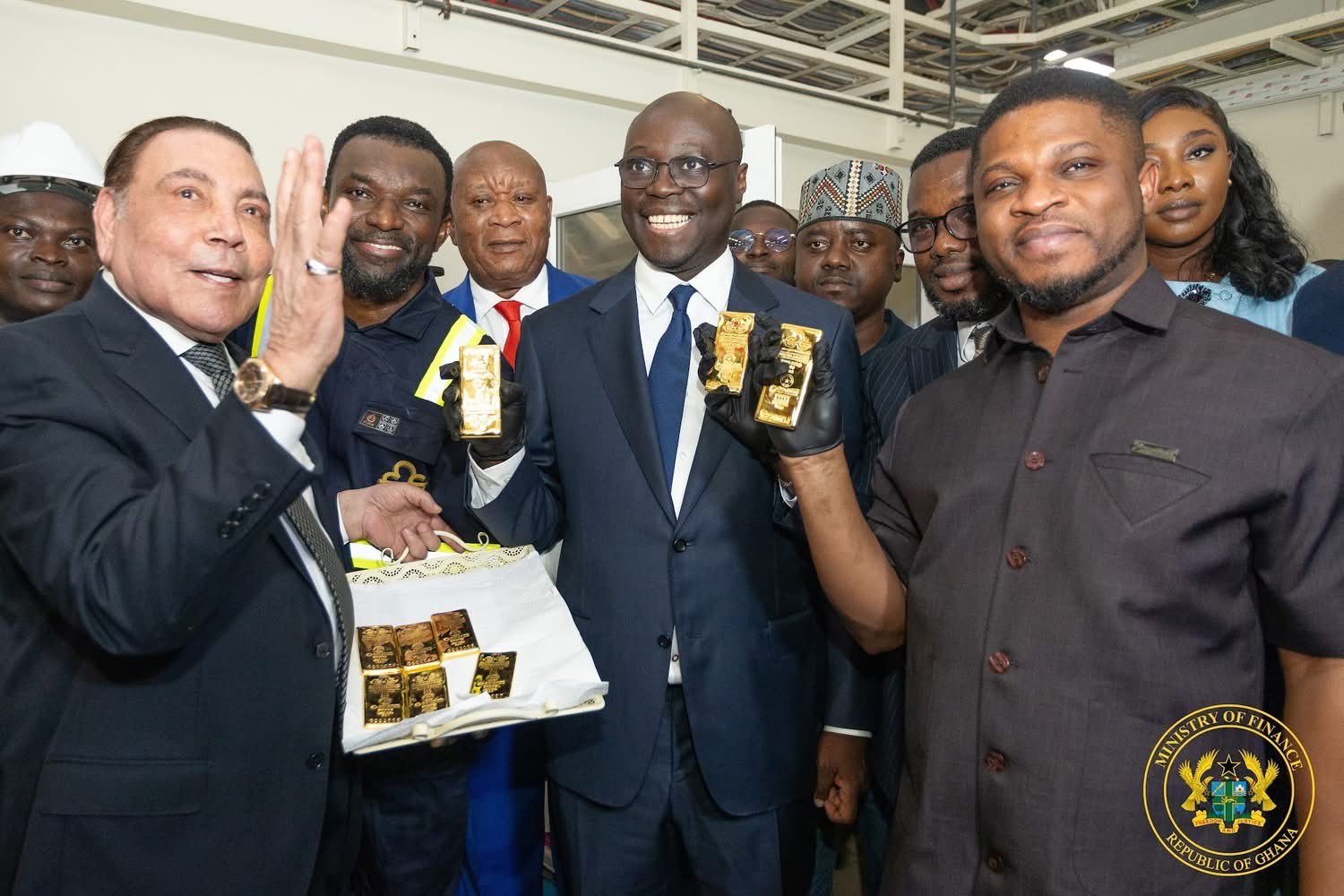
The Finance Minister described the initiative as “revolutionary” and said it has changed the landscape of Ghana’s gold industry by adding value locally instead of exporting raw minerals. “It is our policy to ensure that, in the shortest possible time, Ghana will no longer export raw gold outside the country,” he said.
Mr. Forson additionally emphasized the employment benefits of the refinery’s operations. He disclosed that the Gold Coast Refinery has already employed about 162 workers and will operate around the clock under the government’s 24-hour economy policy.
“They are adding value to our gold and will operate 24 hours at the airport in line with the 24-hour economy policy,” he explained.
The move is forecast to strengthen Ghana’s foreign-exchange earnings, improve oversight of gold exports, and reduce illegal gold trade.
Read Also
Ghana’s informal economy is larger than many think. New data shows how mobile and open-space businesses—dominated by women and youth—are powering livelihoods across the country.
Ghana revises cocoa producer price to GHS41,392 per tonne after global prices fall from US$7,200 to US$4,100, citing liquidity and sustainability concerns.
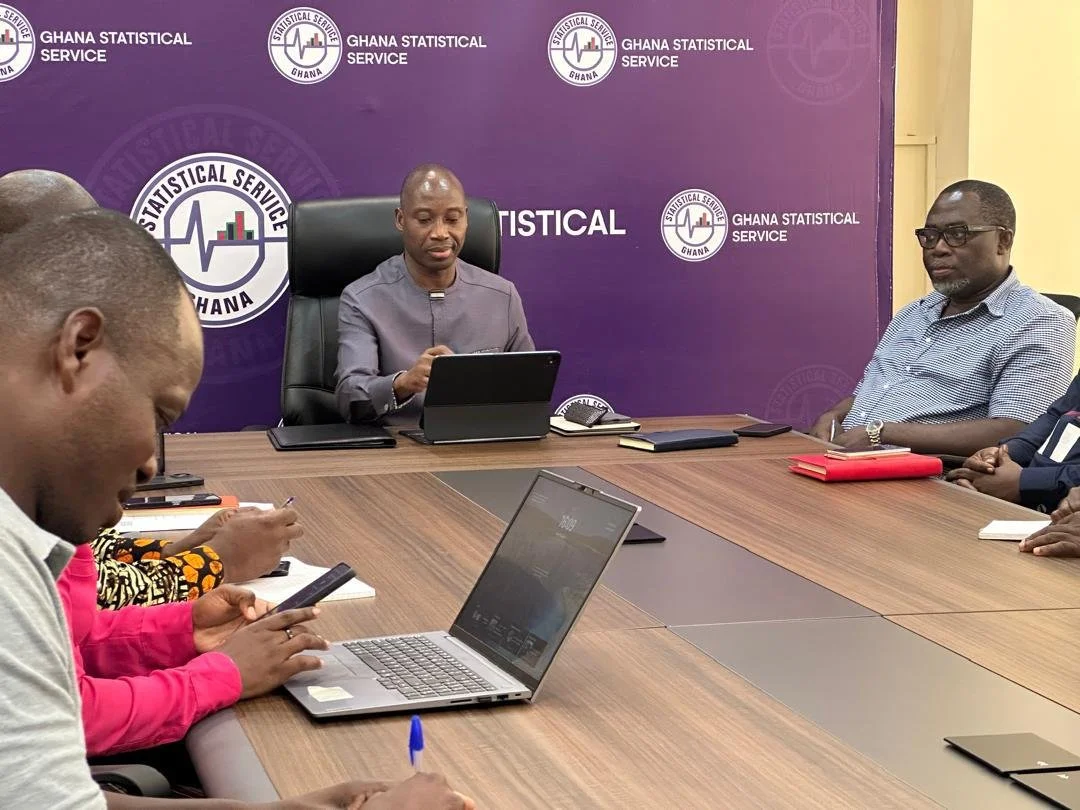
Ghana’s economic activity expanded by 4.2% in November 2025, driven largely by strong growth in the services sector, according to the latest MIEG report from the Ghana Statistical Service.
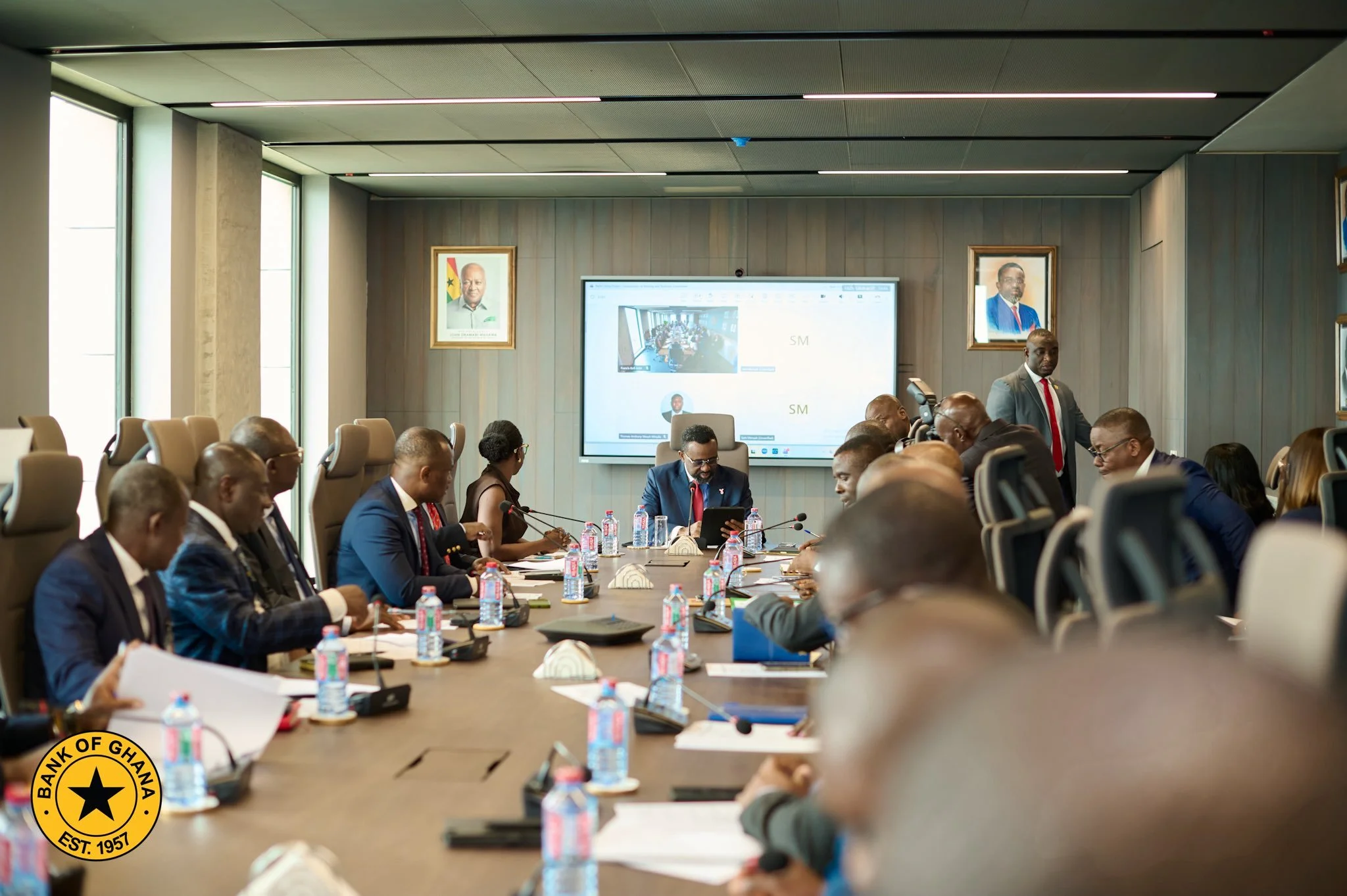
Bank of Ghana Governor Dr. Johnson Pandit Asiama launches the Bank Listing Project, citing GH¢100bn pension assets and calling for stronger transparency and market discipline.
Upper West, North East and Volta record highest food insecurity levels as Ghana’s national rate falls to 38.1%, with education emerging as a key protective factor.

COCOBOD CEO Randy Abbey says he inherited GH¢3.8bn negative equity, GH¢26bn road exposure and $48m procurement obligations at the cocoa regulator.
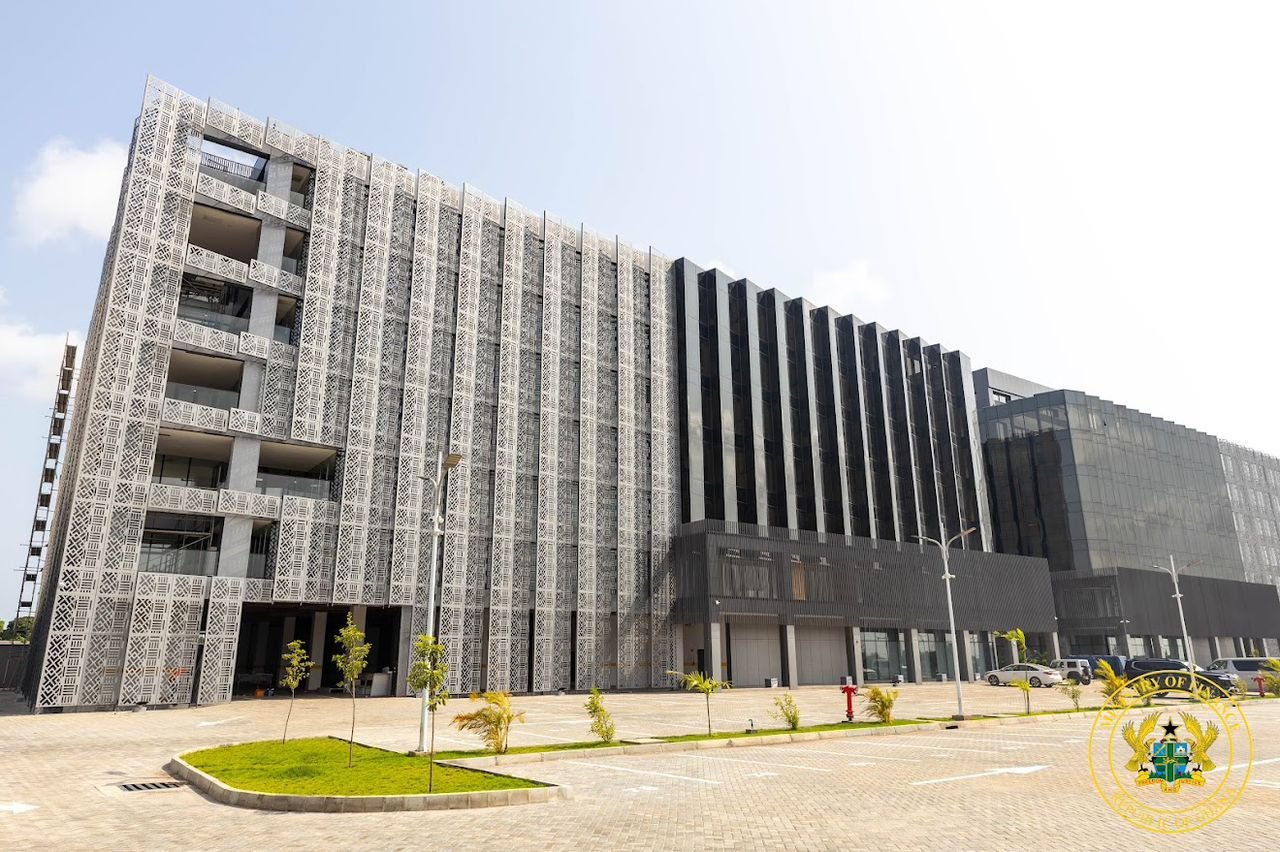
Ghana’s Ministry of Finance has officially relocated its offices to Kanda in Accra, with full operations commencing on February 9, 2026. Here’s what you need to know.
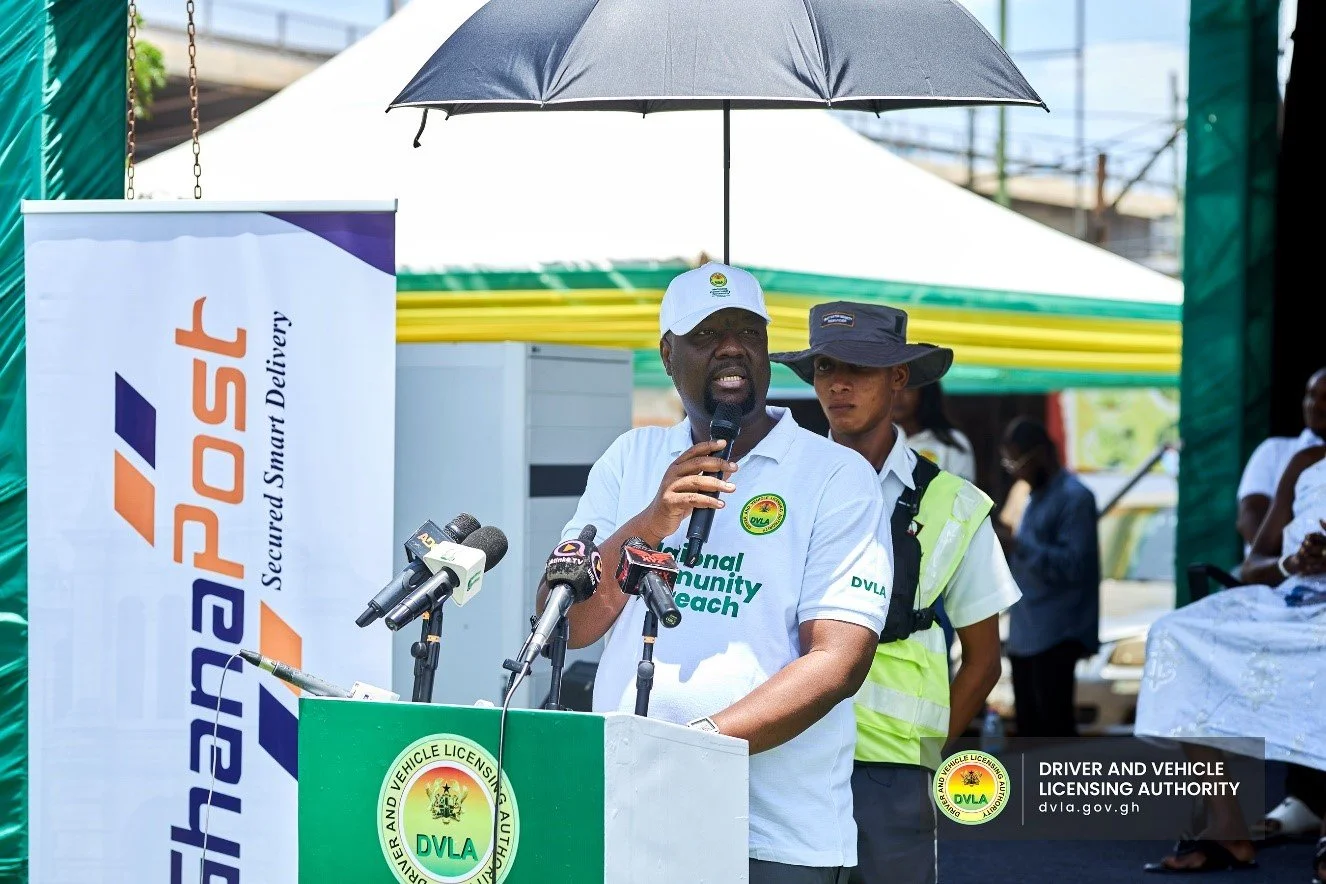
Ghana’s DVLA has released a full list of approved vehicle service rates, affecting registration, inspections, and conversions nationwide. Here’s what drivers need to know.
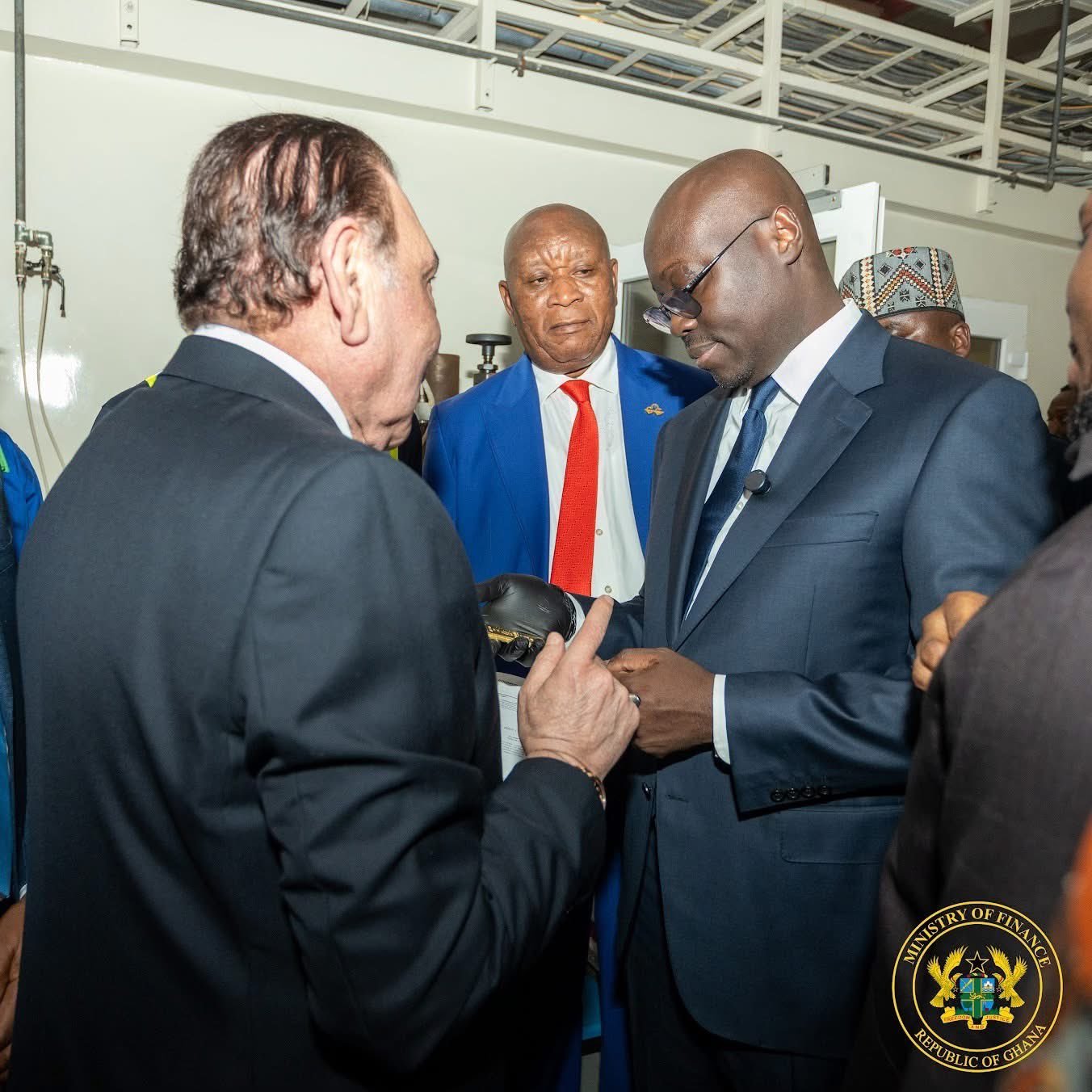
Finance Minister Cassiel Ato Forson says Ghana’s Gold Coast Refinery is now refining one ton of gold weekly, boosting local value addition and jobs.
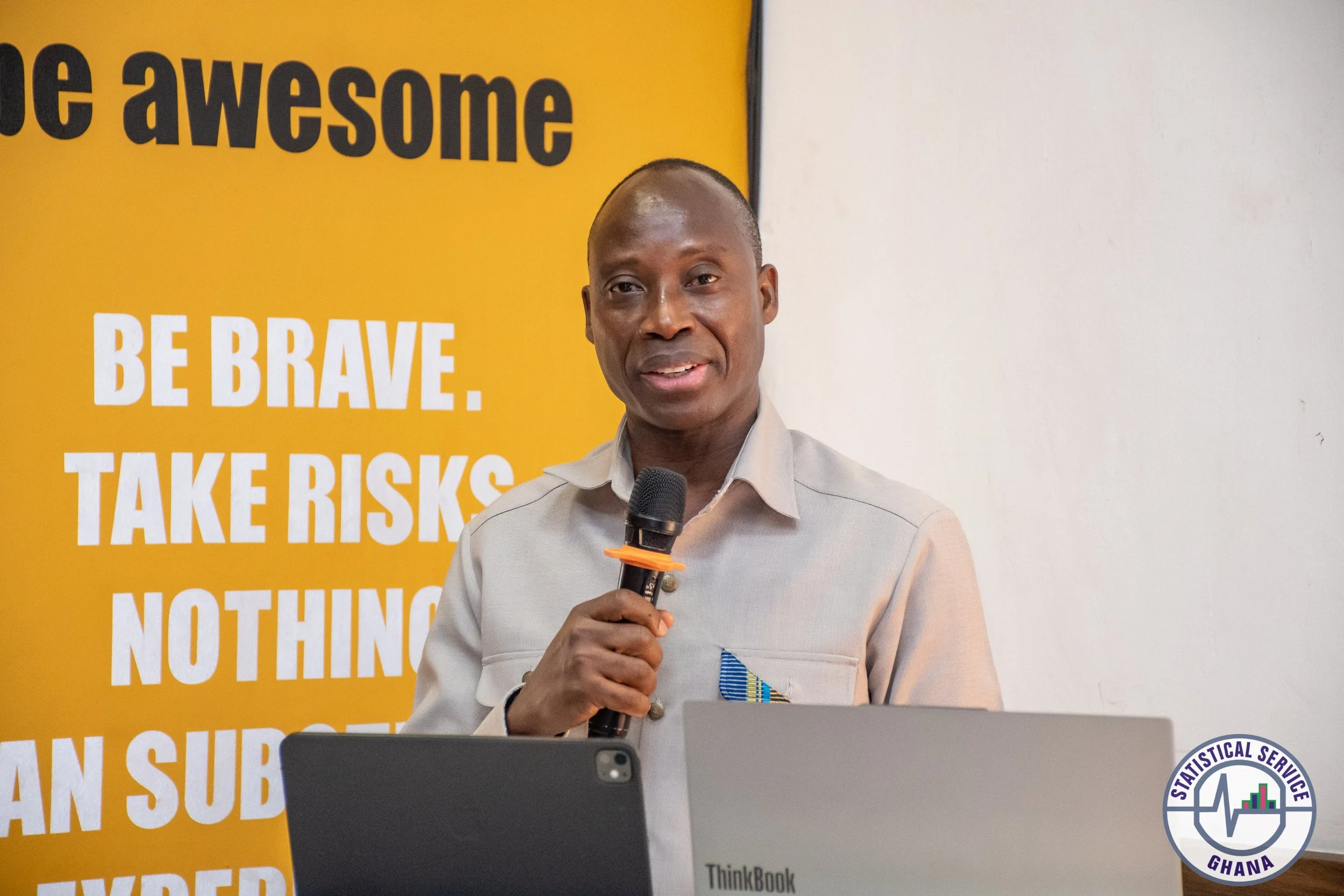
Ghana’s inflation rate fell to 3.8% in January 2026, its lowest in four years, as food and non-food prices eased nationwide, according to GSS data.

Bank of Ghana Governor Dr. Johnson Asiama says inflation fell to 5.4% and reserves rose to $13.8bn as policymakers consider a cautious path for 2026.
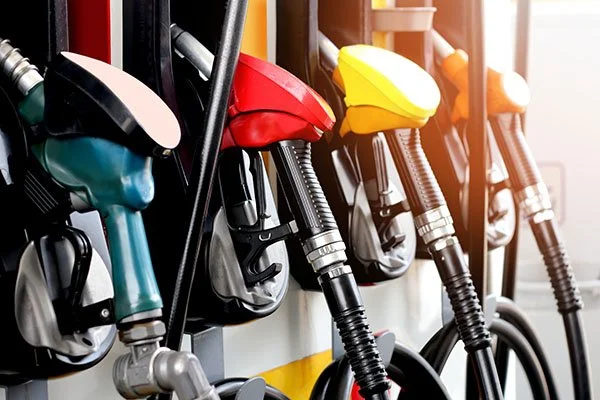
The Institute for Energy Security says Ghana’s fuel price floor protects fair competition and long-term stability, responding to calls for lower petrol prices.
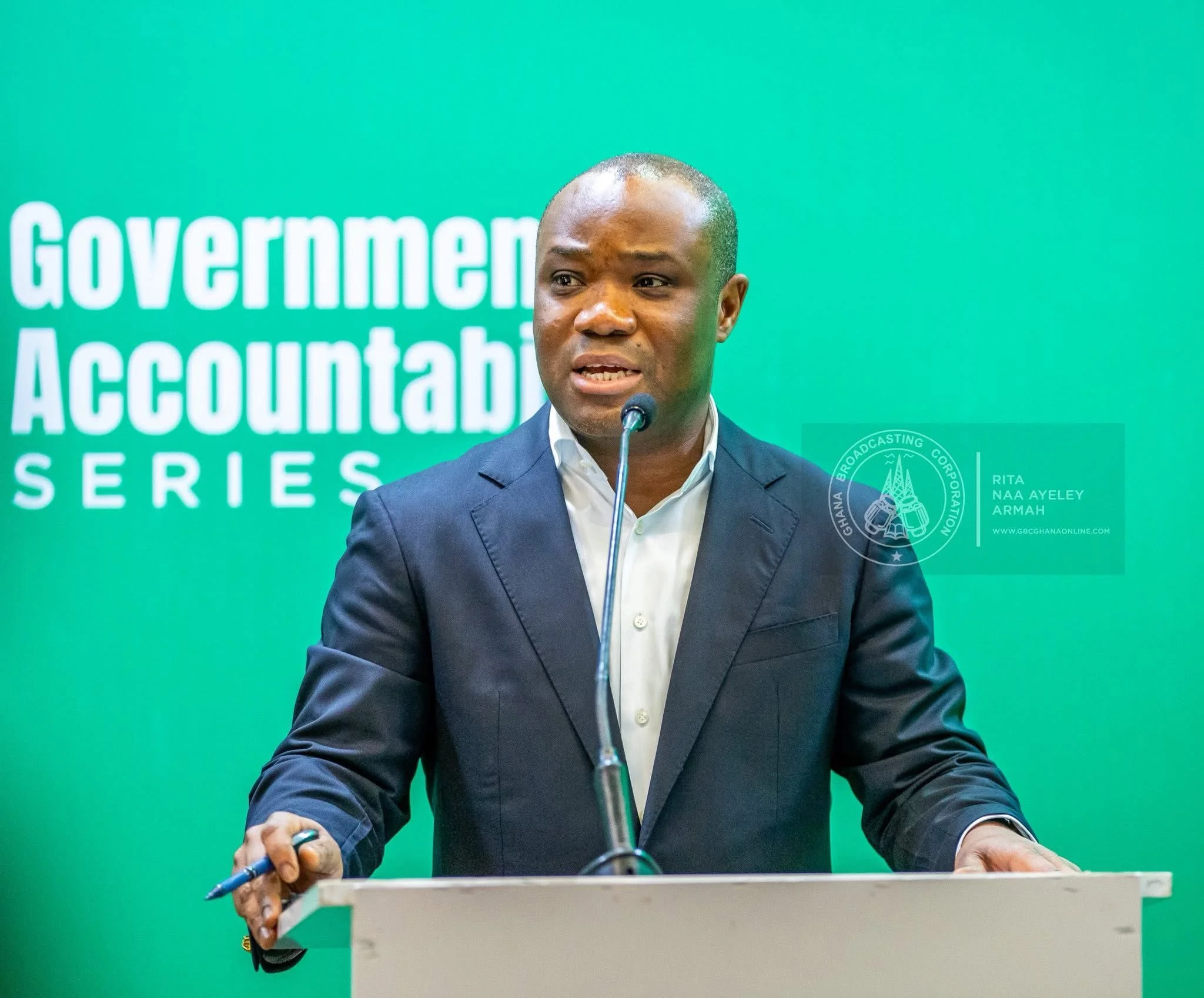
Government says the $1.4bn energy-sector payment has stabilized power supply, restored liquidity, and prevented a return of widespread outages.
New GSS data shows a 3.8% jump in economic activity driven mainly by services and manufacturing. Agriculture also ticked up slightly. Full report breaks down where the growth is coming from and what comes next.
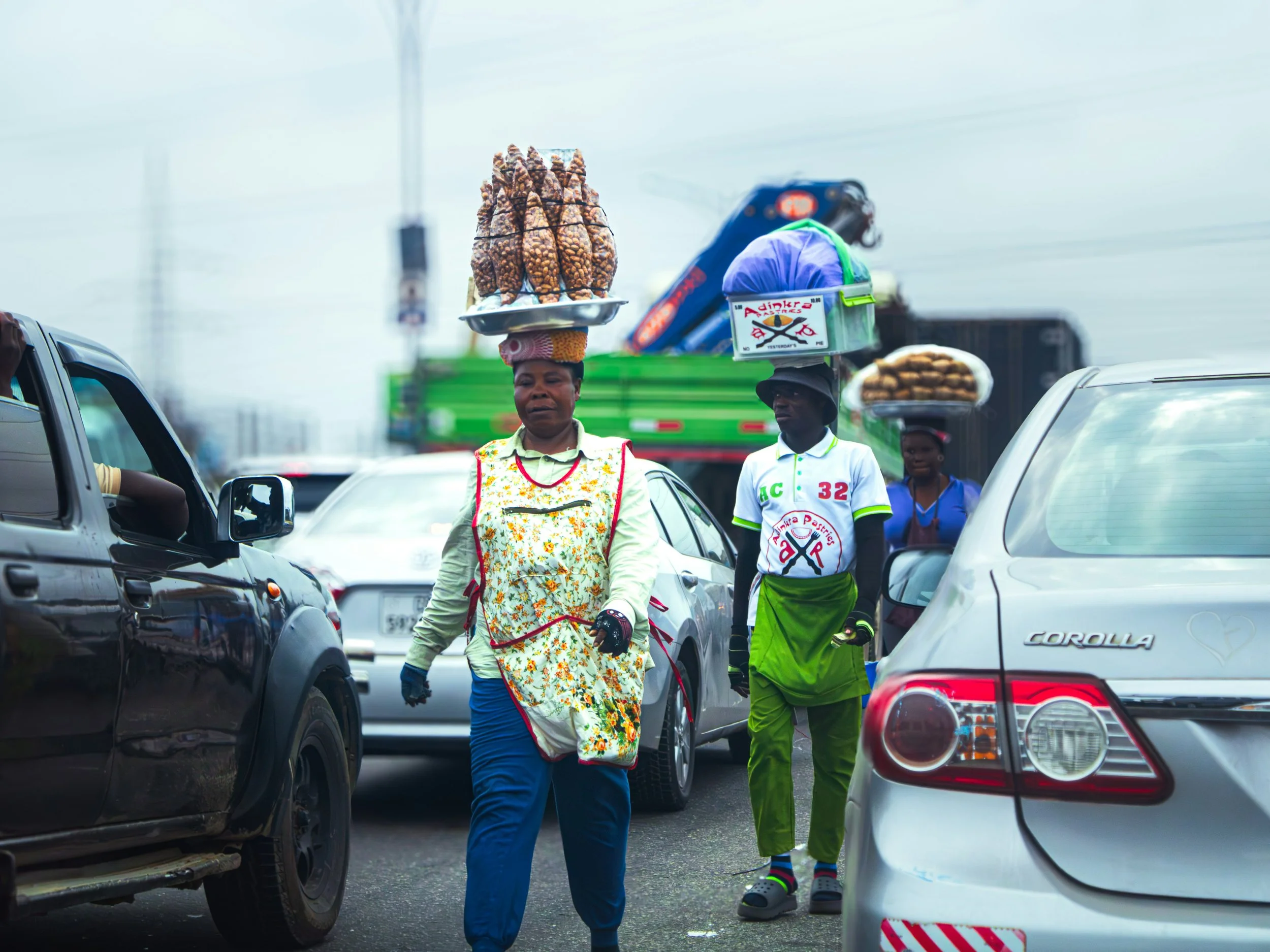
Ghana’s labour force expanded in 2025 with over 330,000 new jobs, but youth unemployment remains high at over 32 percent, according to new data from the Ghana Statistical Service.
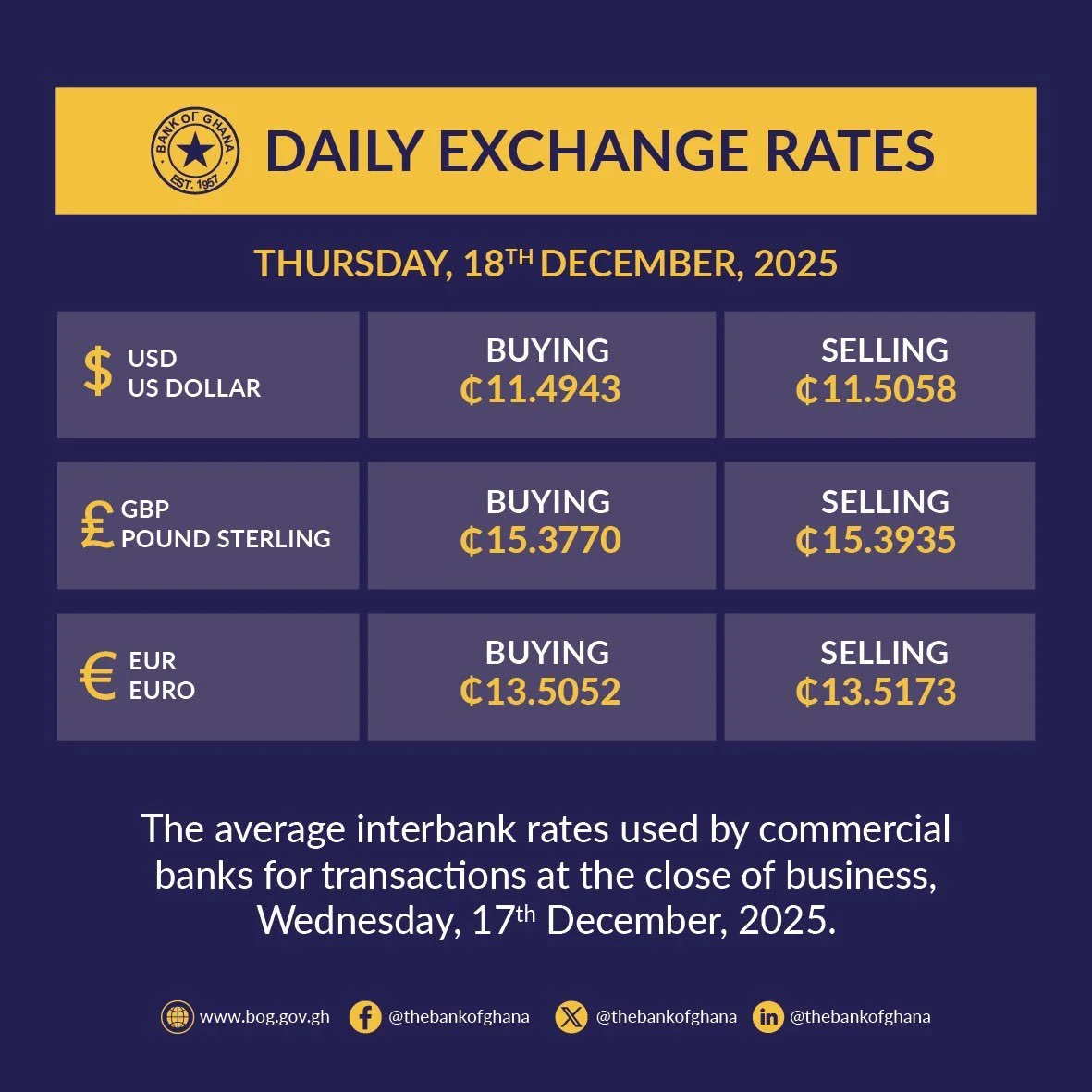
The Ghanaian cedi sold at ¢11.5058 to the US dollar on December 18, 2025, according to the Bank of Ghana’s latest interbank exchange rates.
Ghana’s economy expanded by 6.1% in the first nine months of 2025, with agriculture, ICT, and trade powering growth. Government Statistician Dr. Alhassan Iddrisu says the data shows “slightly stronger momentum” than 2024.
Germany has pledged an extra €3 million to Ghana’s Sustainable Energy for Climate Project, bringing total support to €10 million, as both nations deepen cooperation on renewable energy, efficiency, and climate resilience.

Ghana’s inflation rate dropped for the 11th consecutive month to 6.3% in November 2025, the lowest since 2021. The Ghana Statistical Service attributes the trend to price stability in food, non-food, and locally produced items.
Ghana’s Public Utilities Regulatory Commission (PURC) has announced new tariffs effective January 1, 2026 — electricity to increase by 9.86% and water by 15.92% under the 2026–2030 Multi-Year Tariff Review. The adjustment reflects inflation, exchange rate, and gas cost projections.
The Bank of Ghana has reduced its policy rate to 23%, citing strong economic recovery, stable inflation, and improved reserves. Governor Johnson Asiama says Ghana is “shifting from recovery to expansion” as the BoG balances disinflation with growth.
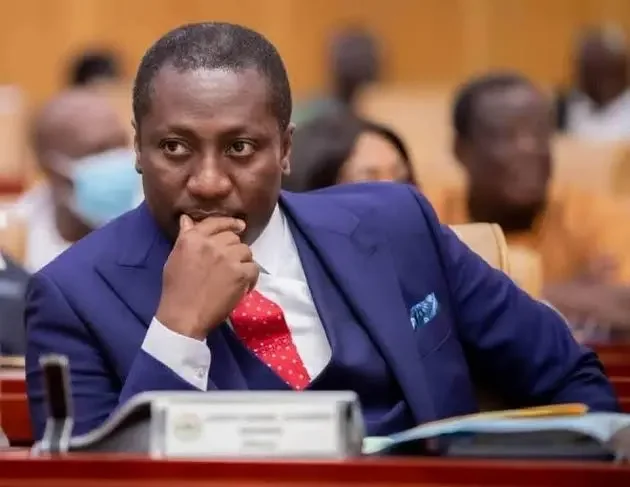
Deputy Majority Leader Alexander Afenyo-Markin has urged Parliament to reject the proposed 7% withholding tax increase, warning it will hurt Ghanaian small businesses and undermine economic recovery.
Ghana’s Special Prosecutor has rejected aspects of the IMF’s Governance and Corruption Diagnostic Report, saying the findings reflect 2023 challenges and not the Office’s current reforms, capacity, and anti-corruption performance.
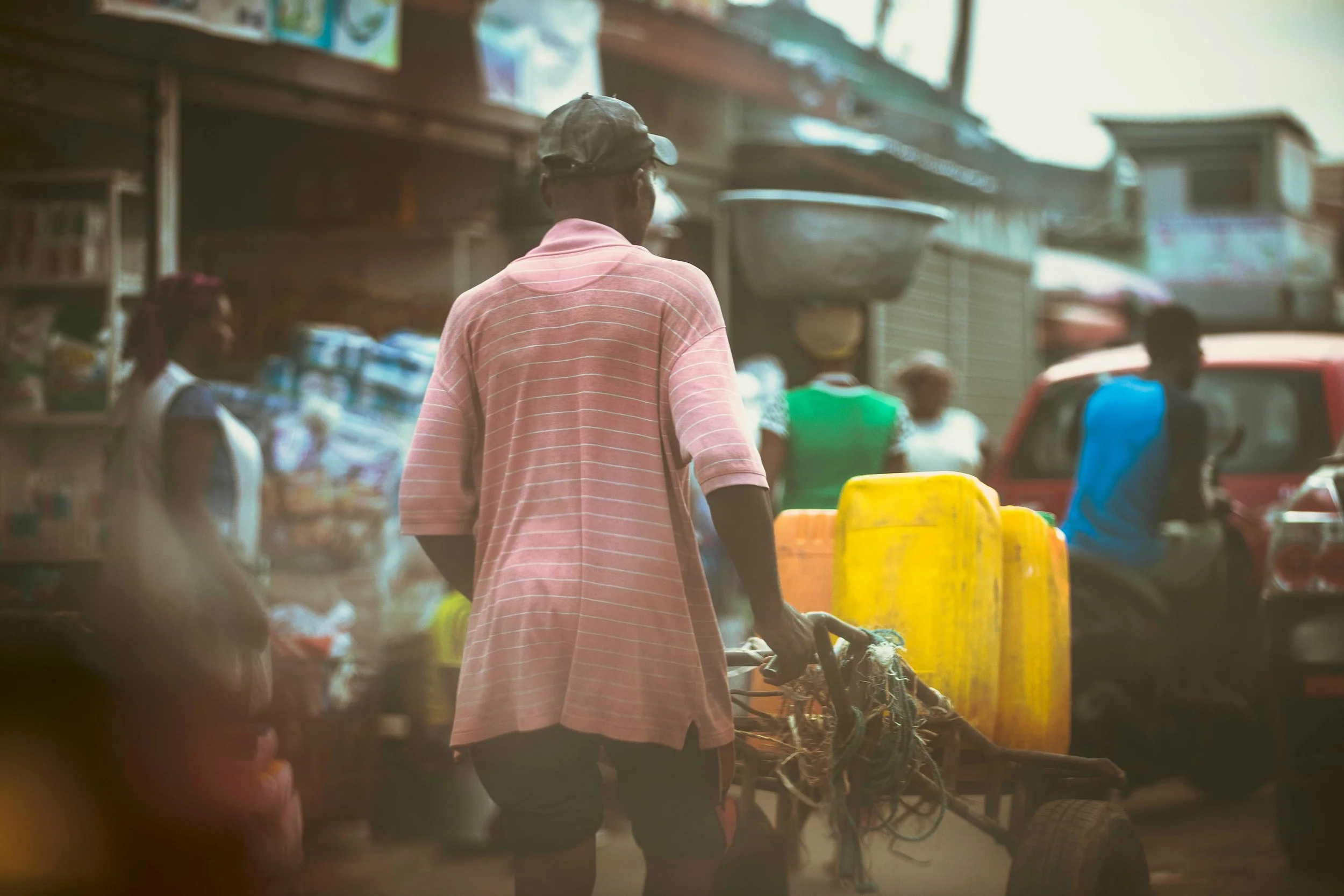
Ghana Statistical Service has revised July 2025 MIEG growth down to 3.7% from the earlier 4.5%, while August 2025 economic activity expanded by 5.1%. Agriculture and services led the growth, though industry contracted.
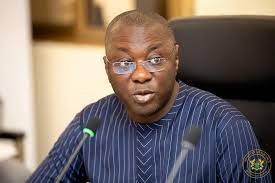
Former Finance Minister Amin Adam says Ghana’s single-digit inflation is misleading, arguing in Parliament that rising prices of essential goods, failing Treasury bill auctions and weakened investor confidence reveal a struggling economy depriving citizens of decent livelihoods.