


Photo credit- Unsplash
Takoradi, Western Region —Energy Minister John Abdulai Jinapor has announced that government will revoke petroleum agreements for inactive oil blocks whose operators have failed to meet their minimum work obligations, in a decisive move to restore investor confidence in Ghana’s petroleum sector.
Speaking at the opening of the 2025 Petroleum Local Content Conference and Exhibition in Takoradi, John Jinapor said while Ghana is committed to attracting world-class energy investors, it will no longer tolerate companies that hold oil blocks without carrying out meaningful exploration activities.
“The cycle of repeated extensions of petroleum agreements must become a thing of the past,” the Minister declared. “No contractor or operator will be allowed to hold onto our oil blocks without fulfilling their minimum work obligations.”
The three-day conference, themed “Revitalizing Ghana’s Petroleum Exploration and Production Sector: Driving Innovation and Redefining Local Content for a Competitive Energy Economy,” has brought together policymakers, investors, and energy executives from more than 25 countries.
Discussions are focused on boosting exploration, local content participation, and investor confidence amid shifting global energy markets. Jinapor commended the Petroleum Commission’s new leadership for its renewed engagement with international oil companies and its push to streamline licensing and operations.
Acting CEO of the Petroleum Commission, Eme Fahad Kassem, revealed that Ghana’s upstream petroleum industry is seeing renewed investor interest. “In this relatively short period, we have received expressions of interest from three super majors and one large independent company,” he disclosed. “Negotiations are also at an advanced stage for a petroleum agreement with Shell for the South Deepwater Tano (SDWT) block.”
According to Kassem, the Commission is balancing its local content agenda with the need to maintain a competitive, investor-friendly environment. “As much as government is pushing for stronger participation of local players, we remain mindful not to scare away investment into the sector,” he emphasized.
With new interest from major energy firms and reforms in the licensing regime, Ghana’s petroleum industry is expected to enter a new phase of exploration and investment.
Officials say the upcoming negotiations with Shell and other global players could unlock significant offshore potential and drive local value creation through technology transfer, job creation, and local procurement.
Read Also
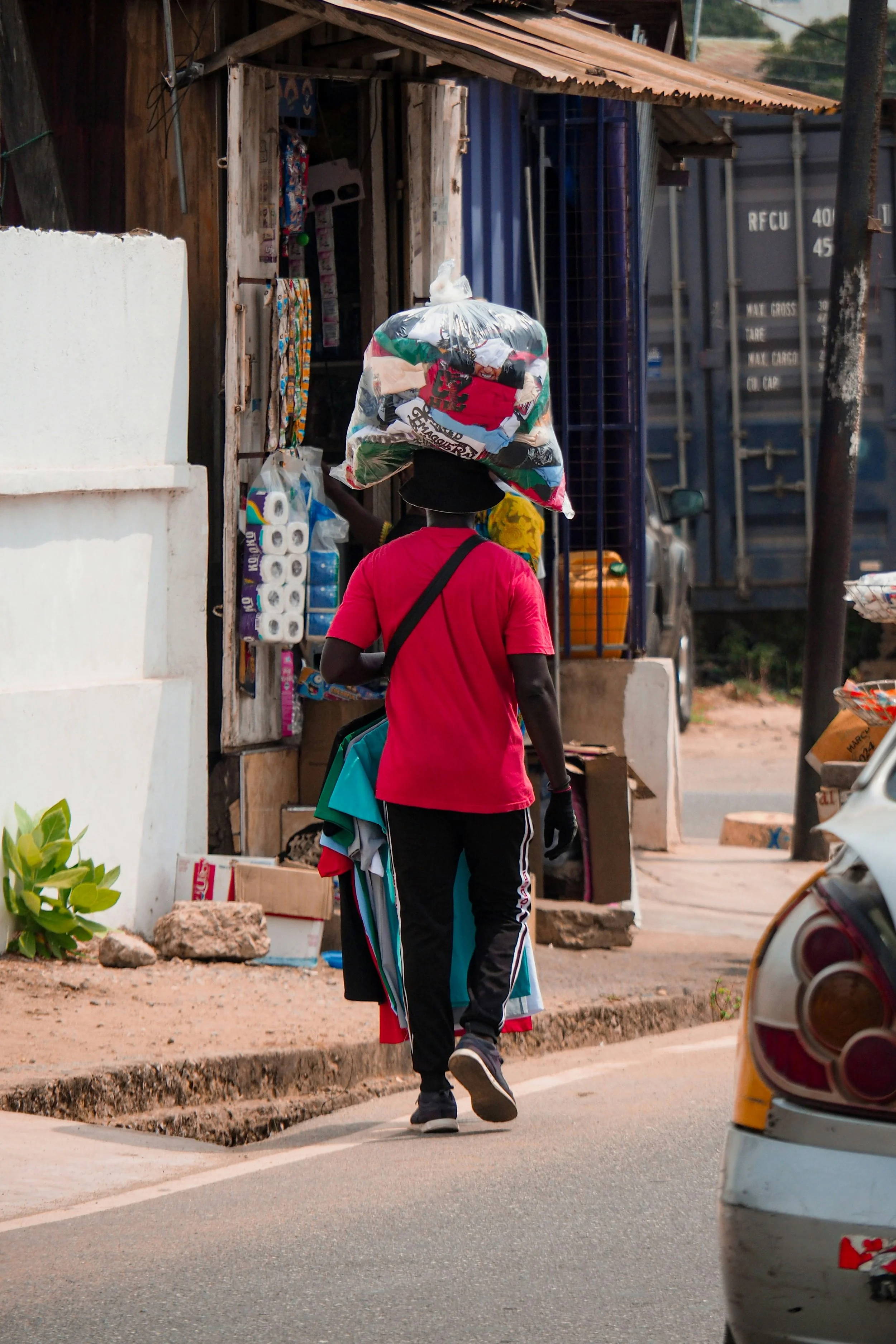
Ghana’s informal economy is larger than many think. New data shows how mobile and open-space businesses—dominated by women and youth—are powering livelihoods across the country.
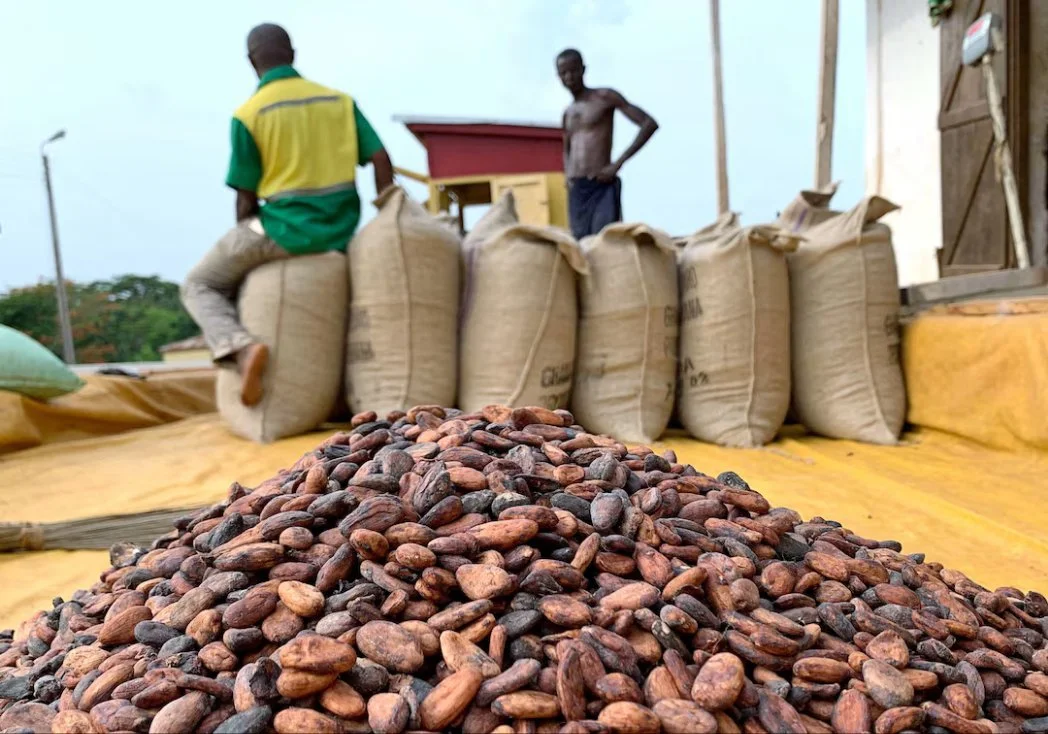
Ghana revises cocoa producer price to GHS41,392 per tonne after global prices fall from US$7,200 to US$4,100, citing liquidity and sustainability concerns.

Ghana’s economic activity expanded by 4.2% in November 2025, driven largely by strong growth in the services sector, according to the latest MIEG report from the Ghana Statistical Service.

Bank of Ghana Governor Dr. Johnson Pandit Asiama launches the Bank Listing Project, citing GH¢100bn pension assets and calling for stronger transparency and market discipline.

Upper West, North East and Volta record highest food insecurity levels as Ghana’s national rate falls to 38.1%, with education emerging as a key protective factor.

COCOBOD CEO Randy Abbey says he inherited GH¢3.8bn negative equity, GH¢26bn road exposure and $48m procurement obligations at the cocoa regulator.
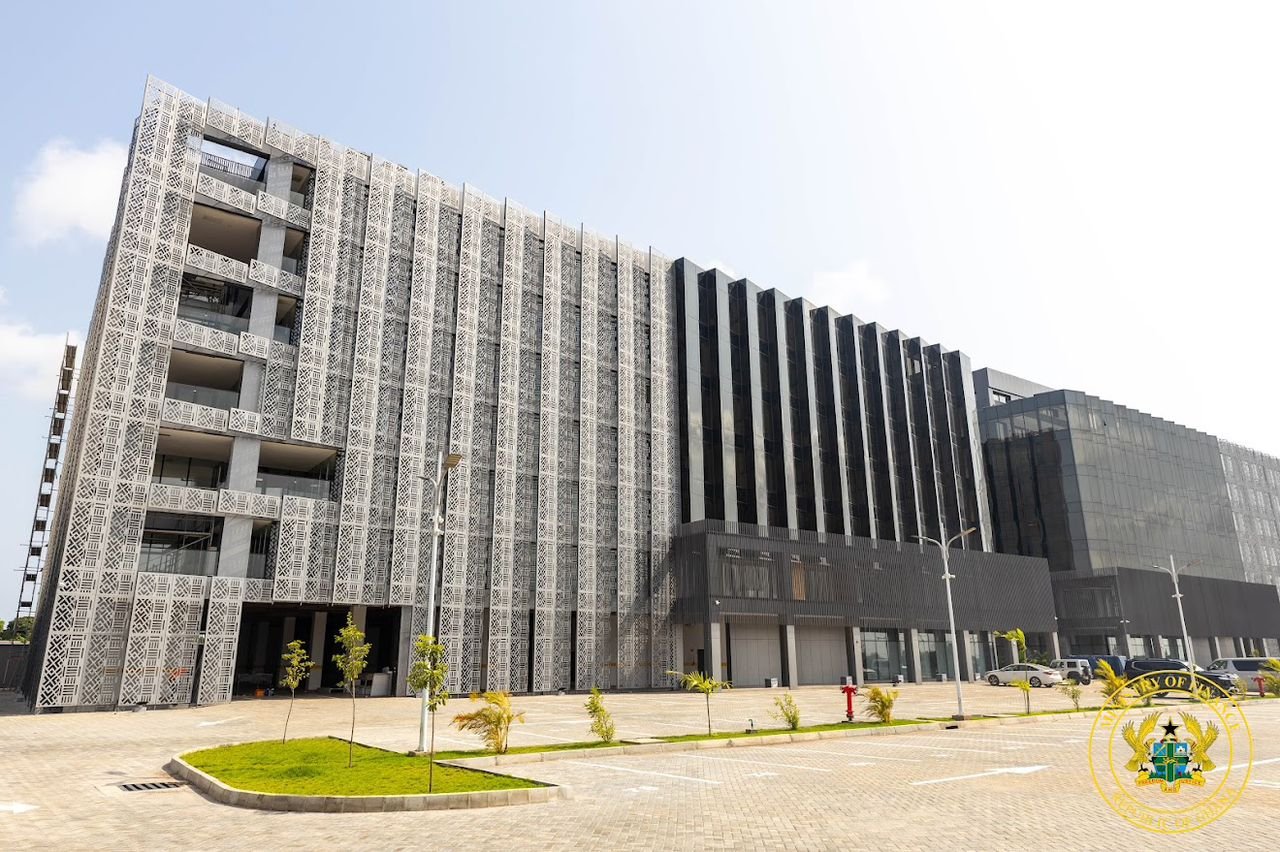
Ghana’s Ministry of Finance has officially relocated its offices to Kanda in Accra, with full operations commencing on February 9, 2026. Here’s what you need to know.

Ghana’s DVLA has released a full list of approved vehicle service rates, affecting registration, inspections, and conversions nationwide. Here’s what drivers need to know.
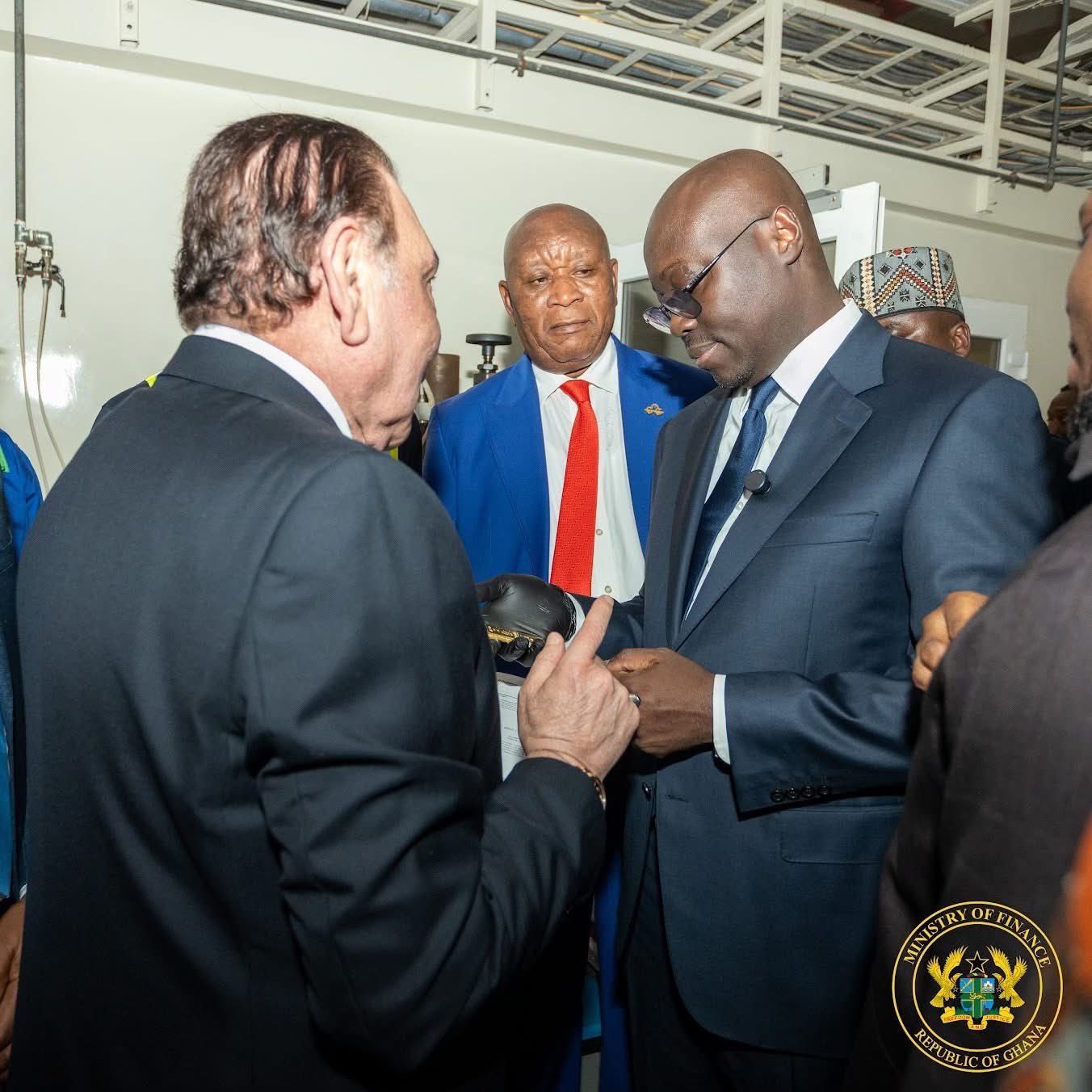
Finance Minister Cassiel Ato Forson says Ghana’s Gold Coast Refinery is now refining one ton of gold weekly, boosting local value addition and jobs.
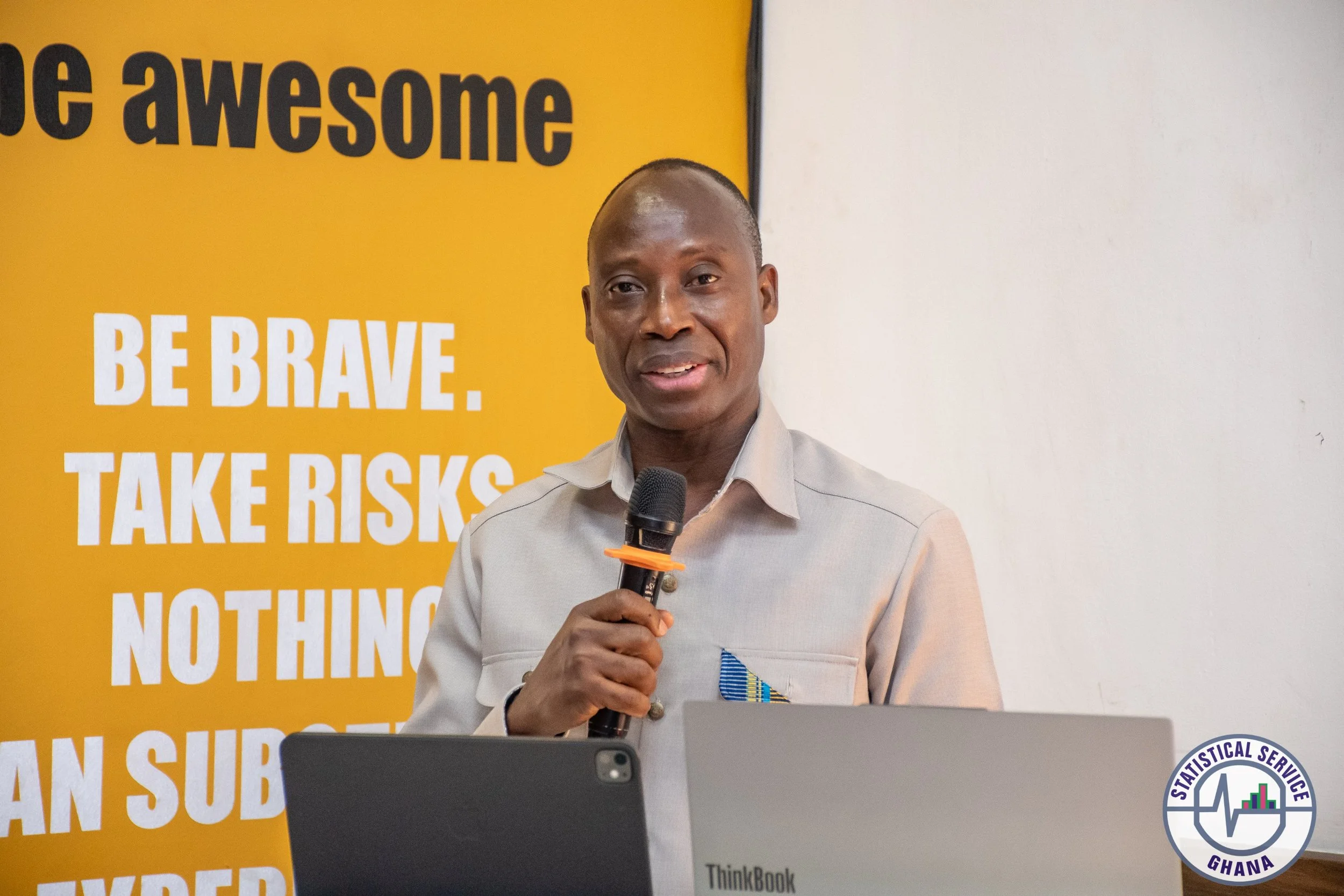
Ghana’s inflation rate fell to 3.8% in January 2026, its lowest in four years, as food and non-food prices eased nationwide, according to GSS data.

Bank of Ghana Governor Dr. Johnson Asiama says inflation fell to 5.4% and reserves rose to $13.8bn as policymakers consider a cautious path for 2026.
The Institute for Energy Security says Ghana’s fuel price floor protects fair competition and long-term stability, responding to calls for lower petrol prices.
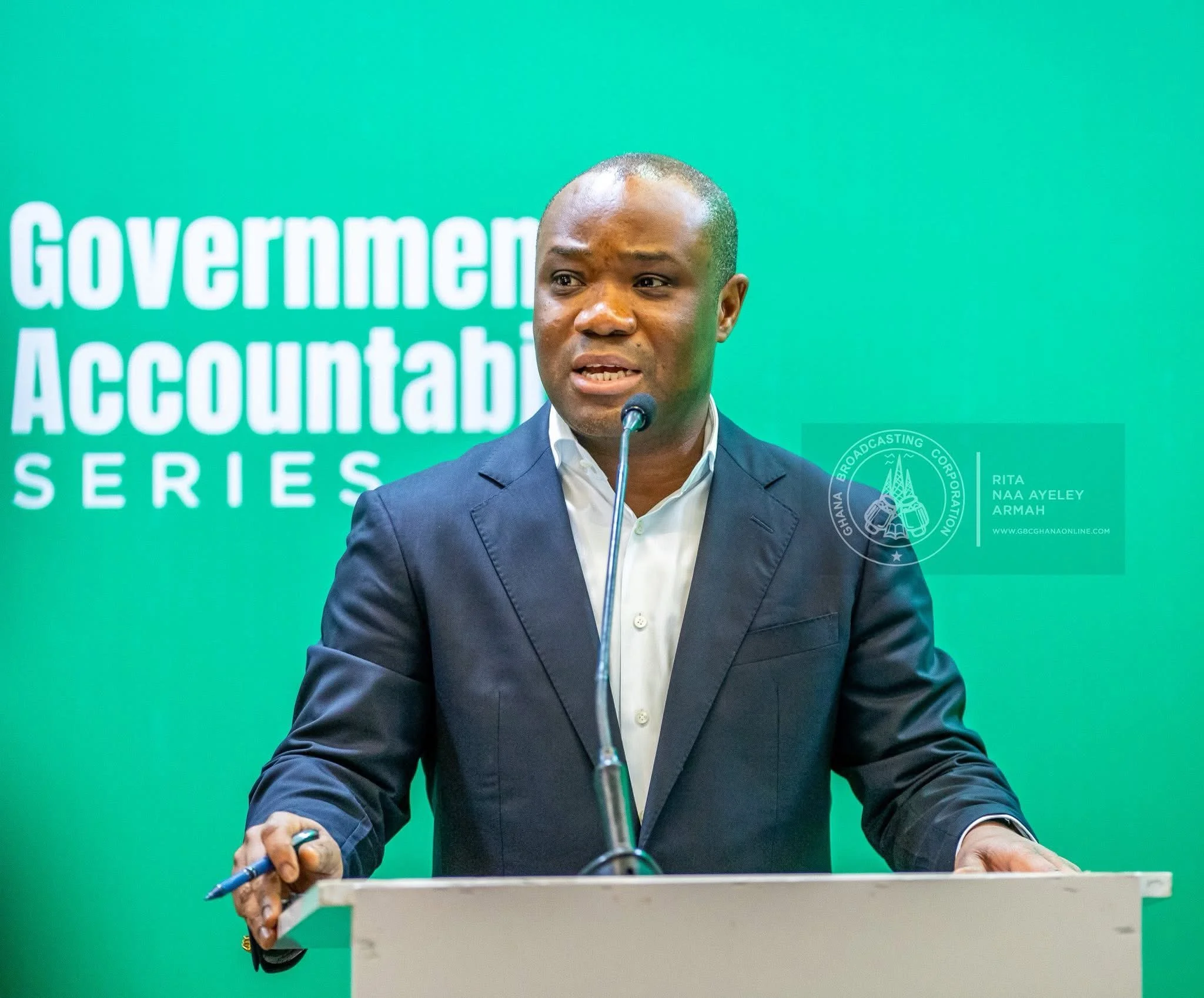
Government says the $1.4bn energy-sector payment has stabilized power supply, restored liquidity, and prevented a return of widespread outages.

New GSS data shows a 3.8% jump in economic activity driven mainly by services and manufacturing. Agriculture also ticked up slightly. Full report breaks down where the growth is coming from and what comes next.
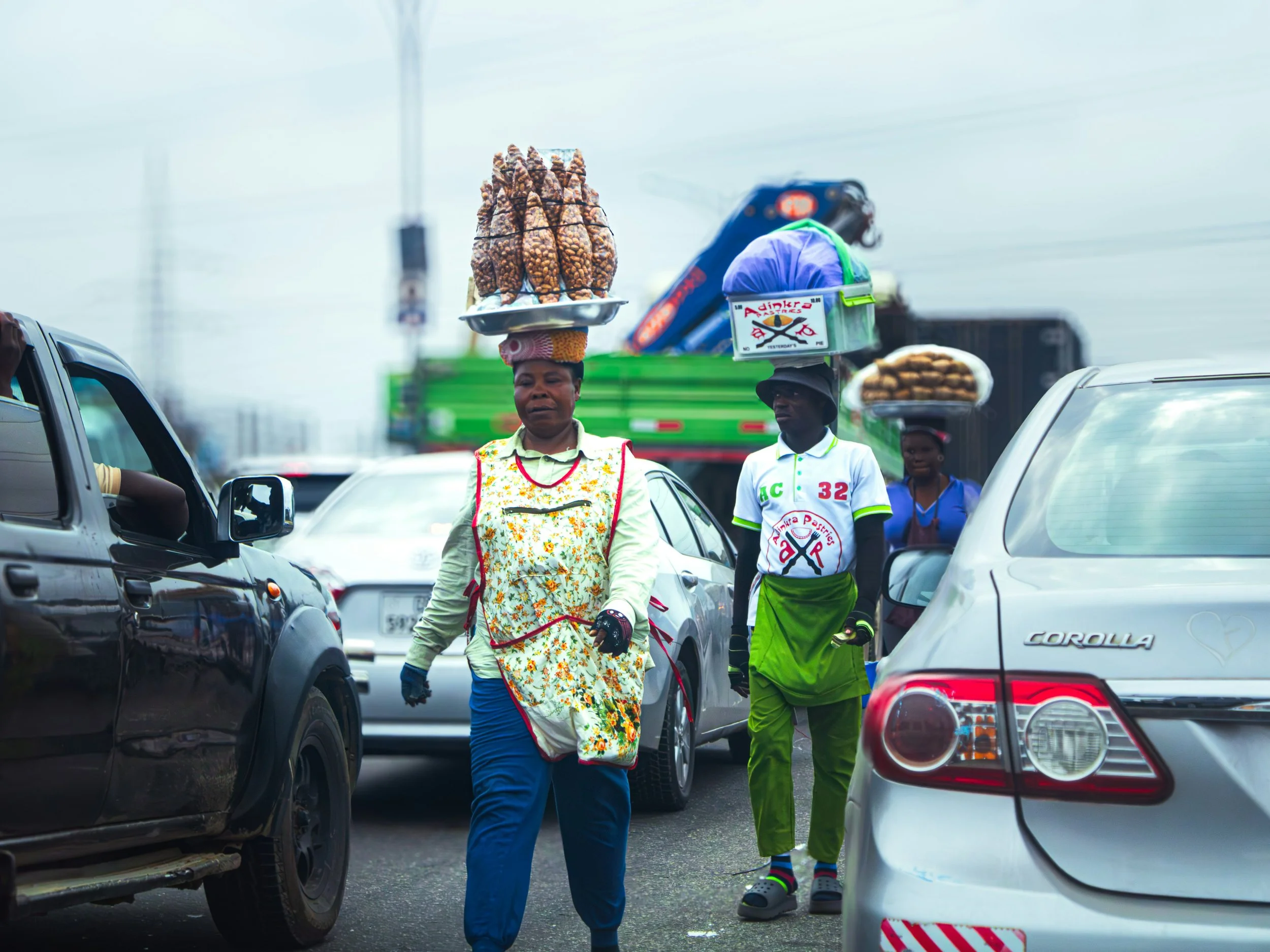
Ghana’s labour force expanded in 2025 with over 330,000 new jobs, but youth unemployment remains high at over 32 percent, according to new data from the Ghana Statistical Service.
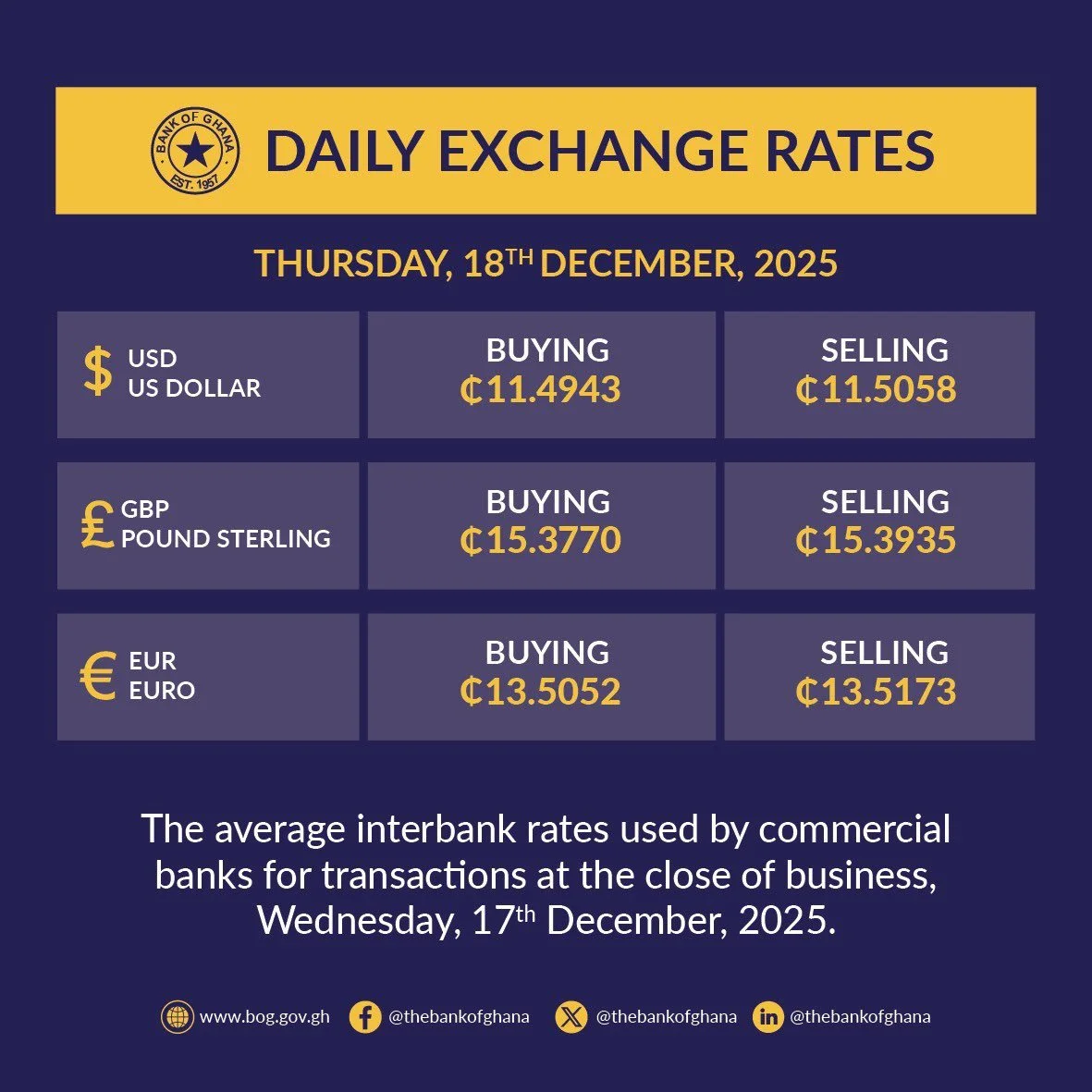
The Ghanaian cedi sold at ¢11.5058 to the US dollar on December 18, 2025, according to the Bank of Ghana’s latest interbank exchange rates.

Ghana’s economy expanded by 6.1% in the first nine months of 2025, with agriculture, ICT, and trade powering growth. Government Statistician Dr. Alhassan Iddrisu says the data shows “slightly stronger momentum” than 2024.