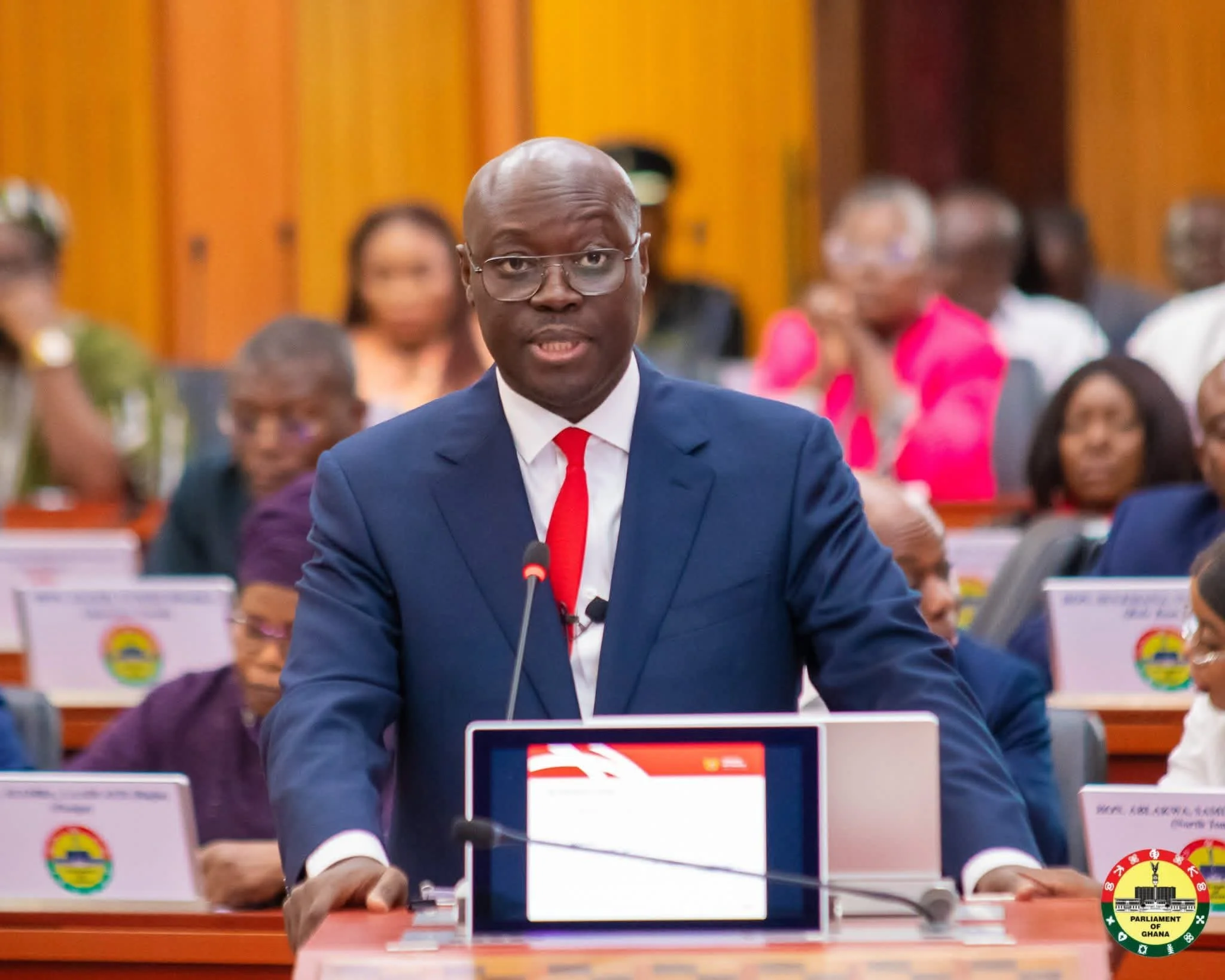

Digital Is Banking”: Bank of Ghana Governor Calls for Trust and Innovation in Financial Transformation
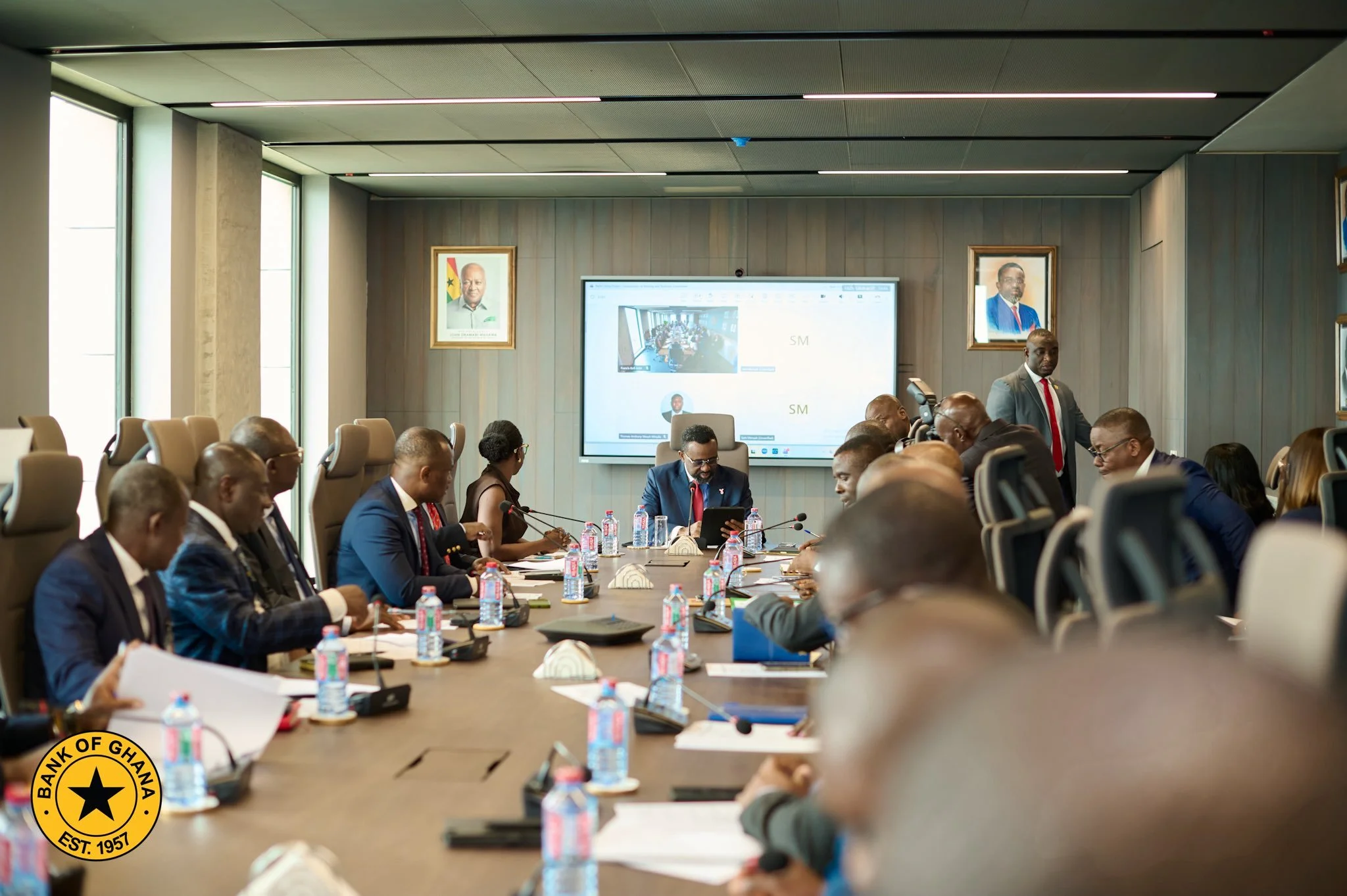
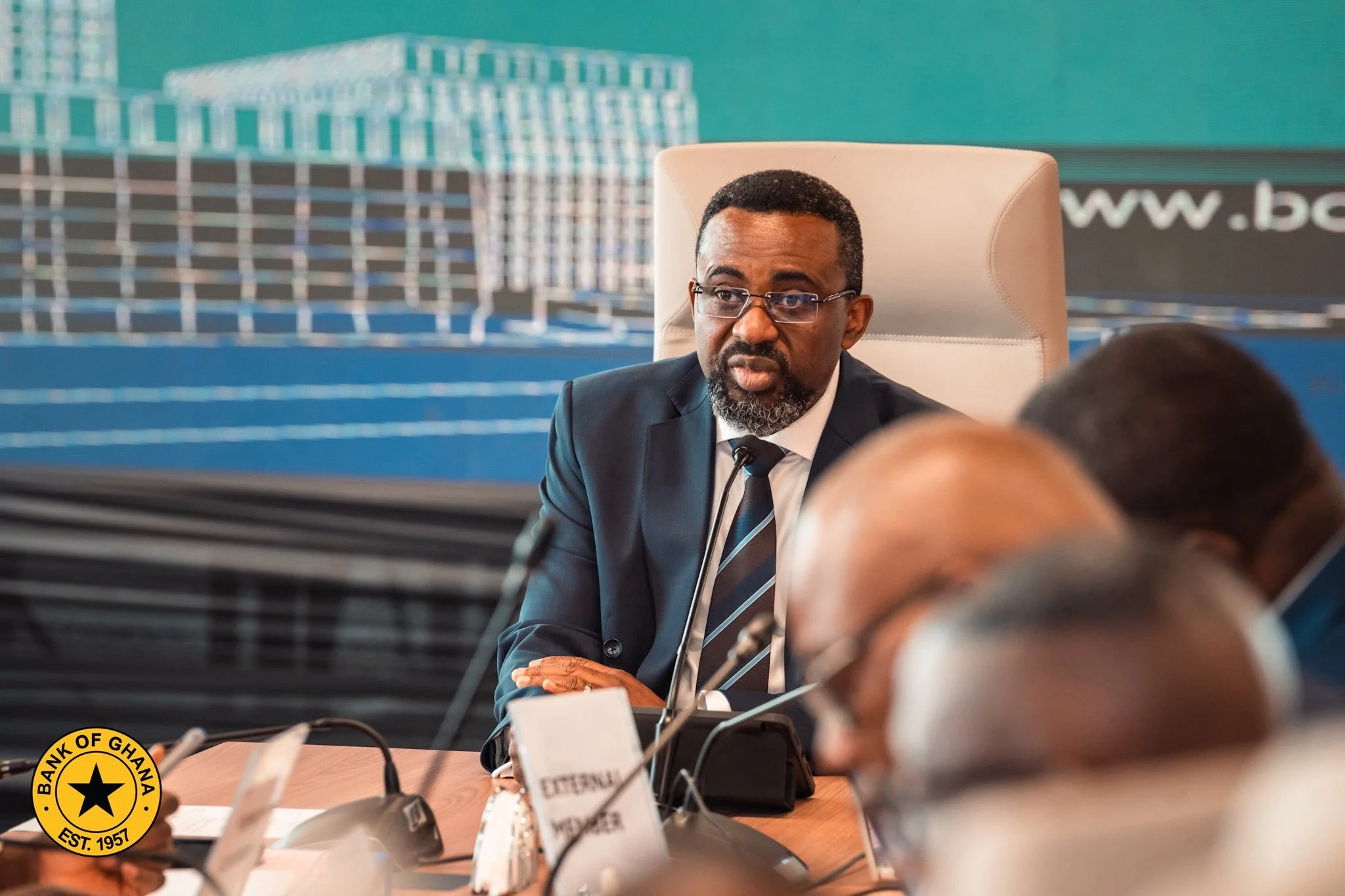
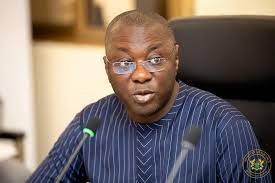
Accra, Ghana — The Governor of the Bank of Ghana, Dr. Johnson Asiama, has underscored the transformative power of digital innovation in reshaping the continent’s financial landscape, declaring that “digital is no longer an add-on to banking; it is banking.”
Speaking at the 42nd Annual General Meeting of the Ghana Association of Banks in Accra, Dr. Asiama noted that digital acceleration is fundamentally redefining how financial institutions operate and how customers experience banking services. He revealed that in 2024, Ghana recorded over GHS 300 billion in digital transactions a figure equivalent to more than 60 percent of the country’s GDP. “Customers now expect instant settlement, seamless interoperability, and round-the-clock availability,” Dr. Asiama stated. “More than 60 percent of Ghanaians are under 35 they are digital-native, mobile-first, and expect banking to be borderless and personalized.”
According to the Governor, new technologies such as artificial intelligence (AI), tokenization, and open banking APIs are changing the way banks manage credit, compliance, and fraud detection. Several African banks are already deploying AI-based scoring models and experimenting with tokenized deposits to improve transaction speed and precision. However, he cautioned that these innovations come with emerging risks around algorithmic bias, ethical use of data, and transparency, which require clear regulatory oversight.
Dr. Asiama emphasized that the “infrastructure of trust” in financial services is being redefined around three key pillars: Consent-based digital identity, Programmable payments, and Interoperable, cloud-based systems.
He warned that cybersecurity and third-party risk management are now “as critical as capital adequacy.” The Governor added that operational soundness in banking will increasingly depend on how well institutions secure and govern their technology environments. “Data is now the new capital,” he said. “Open banking shifts control to the customer, enabling secure data sharing between banks and fintechs but only under strict standards for privacy and consent.”
While commending the industry’s progress, Dr. Asiama urged financial institutions to modernize their infrastructure and embed trust at every stage of digital transformation. “The banks that will succeed are those that act with speed and integrity, that design experiences around real customer needs, and that embed accountability into technology,” he concluded.
Ghana’s central bank has taken a proactive role in balancing innovation and regulation, with its digital finance guidelines and cybersecurity directives serving as models for other African economies.
Read Also
The Bank of Ghana has reduced its policy rate to 23%, citing strong economic recovery, stable inflation, and improved reserves. Governor Johnson Asiama says Ghana is “shifting from recovery to expansion” as the BoG balances disinflation with growth.
Deputy Majority Leader Alexander Afenyo-Markin has urged Parliament to reject the proposed 7% withholding tax increase, warning it will hurt Ghanaian small businesses and undermine economic recovery.
Ghana’s Special Prosecutor has rejected aspects of the IMF’s Governance and Corruption Diagnostic Report, saying the findings reflect 2023 challenges and not the Office’s current reforms, capacity, and anti-corruption performance.
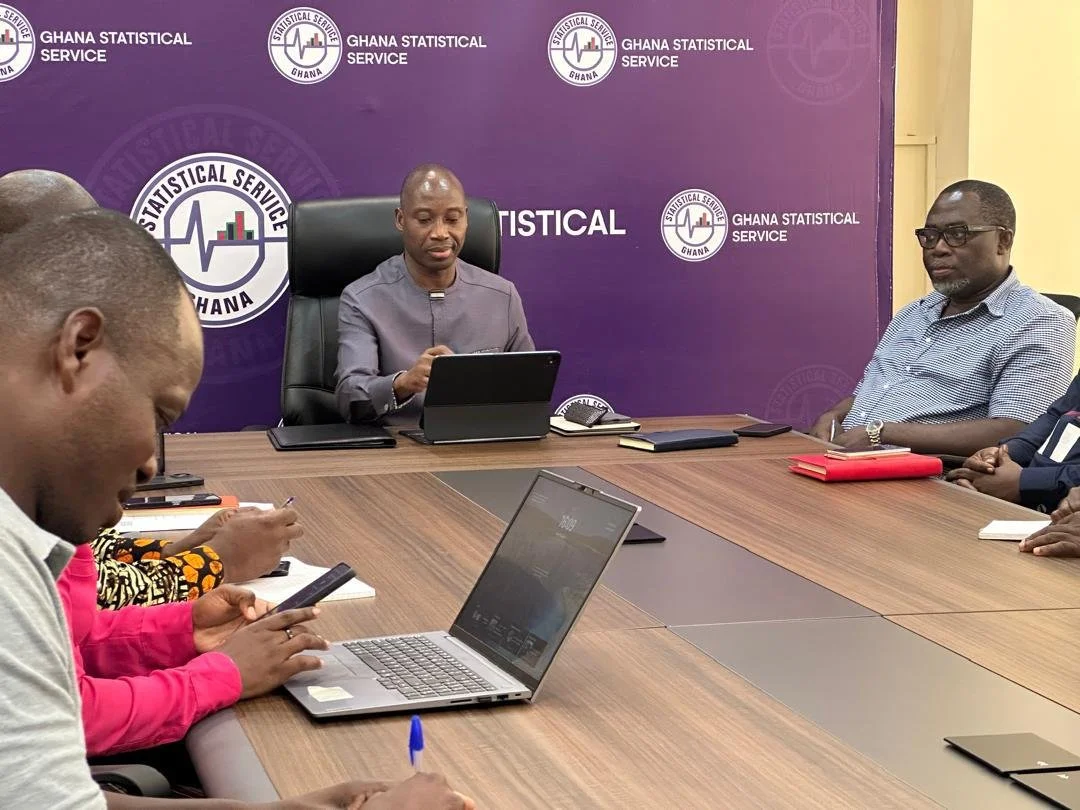
Ghana Statistical Service has revised July 2025 MIEG growth down to 3.7% from the earlier 4.5%, while August 2025 economic activity expanded by 5.1%. Agriculture and services led the growth, though industry contracted.
Former Finance Minister Amin Adam says Ghana’s single-digit inflation is misleading, arguing in Parliament that rising prices of essential goods, failing Treasury bill auctions and weakened investor confidence reveal a struggling economy depriving citizens of decent livelihoods.
Former Information Minister Kojo Oppong Nkrumah warns that Ghana’s 2026 Budget faces a staggering revenue shortfall of up to GH₵19 billion, forcing the government to cut expenditure by GH₵28 billion. He urges Parliament to confront the structural weaknesses undermining the economy.
Two suspects have been arrested and arraigned for hoarding premix fuel, Fisheries Minister Emelia Arthur told Parliament. Automation reforms continue nationwide.
Ghana’s Presidential Spokesperson Felix Kwakye Ofosu has dismissed Minority allegations that the Bank of Ghana printed money to finance the Gold Board, insisting the bank only facilitated legal intermediation in the gold-for-reserves program.
Ghana’s Cedi @ 60 Conference sets a bold agenda for currency stability, digital innovation, and fiscal discipline, with BoG Governor Asiama calling for national commitment.
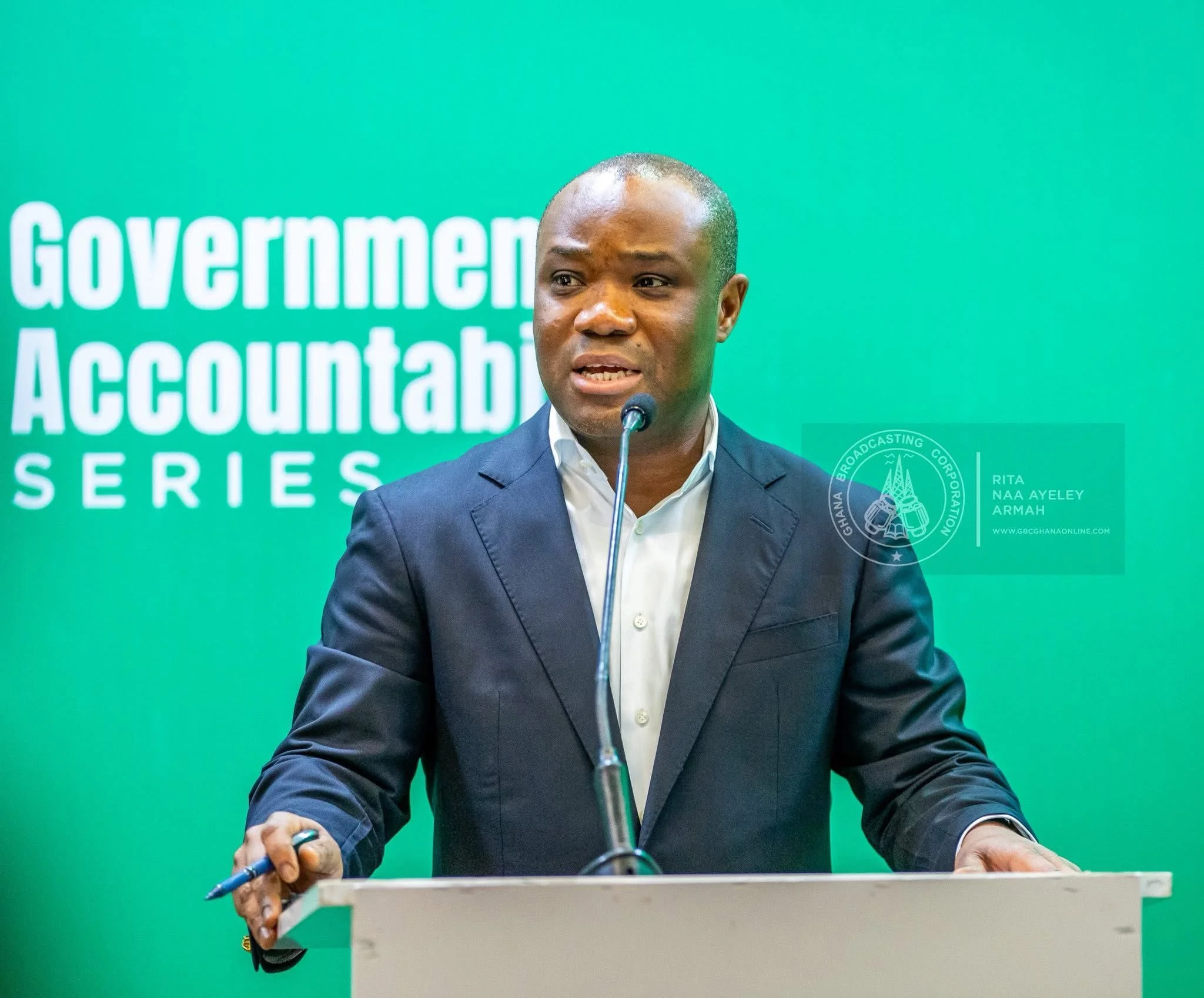
The Government of Ghana has officially abolished the COVID-19 Health Recovery Levy as part of sweeping 2026 VAT reforms. Finance Minister Dr. Ato Forson says the move will return GH₵3.7 billion to citizens and businesses while simplifying Ghana’s tax system and boosting fiscal efficiency.
Ghana’s 2026 Budget projects a minimum 4.8% GDP growth as Finance Minister Dr. Ato Forson outlines a strategy focused on fiscal discipline, revenue mobilisation, social protection, and sustained macroeconomic stability under the theme “Resetting for Growth, Jobs and Economic Transformation.”
Energy Minister John Abdulai Jinapor tells Parliament that 202 contracts have been terminated and major reforms launched to reduce ECG’s technical and commercial losses while improving efficiency and revenue collection.
Ghana Gold Board’s Richard Nunekpeku says the agency will not yield to political pressure after 25 people were arrested for illegal gold trading and smelting in Accra. Investigations are ongoing under the Gold Board Act 2025.
Star Oil has overtaken GOIL to become Ghana’s largest Oil Marketing Company, driven by disciplined management, operational efficiency, and trust-based customer engagement.
United Nigeria Airlines has inaugurated its first international flights to Accra, Ghana, marking a major step toward enhanced West African trade, tourism, and regional integration.
The Ghanaian government has approved a 9% salary increase and a new minimum wage of GH₵ 21.77 for public-sector workers in 2026, following successful negotiations between the Finance Ministry, FWSC, and Organized Labour.
S&P Global Ratings lifts Ghana’s credit rating to ‘B-/B’ with a stable outlook, citing fiscal discipline, debt reform, and stronger foreign reserves.
Inflation drops to 8.0% in October, below Ghana’s 2025 target, marking a major macro win — but cost-of-living pressures still squeeze households.
The LCIA has ruled in Ghana’s favour in the PDS case. Gov’t says it will recover all ECG assets and revenues after the $190m power concession dispute.
The IEA is calling for the abolition of mining tax incentives and a review of Ghana’s royalty rates to ensure citizens benefit fairly from natural resources.
Energy Minister John Jinapor warns that oil firms holding inactive blocks will lose their licenses as Ghana moves to revitalize petroleum exploration.
Ghana’s inflation falls to 8% in October 2025 — the lowest in four years and the 10th straight monthly drop, reports the Ghana Statistical Service.
Oti Region to host a 500MW biomass plant under Ghana’s 24-Hour Economy drive, boosting renewable power, jobs, and agricultural value chains.
Ghana’s Office of the Special Prosecutor has directed the recovery of GH₵125 million from Strategic Mobilisation Ghana Limited (SML) after uncovering automatic overpayments totaling GH₵1.43 billion between 2018 and 2024. The case highlights deepening scrutiny over state contracts and public finance accountability.
Fuel prices in Ghana fall sharply as petrol, diesel, and LPG record major reductions from November 1, driven by a stronger cedi and lower crude oil prices.
Vice President Jane Naana Opoku-Agyemang and Finance Minister Ato Forson have urged Ghanaians to uphold the Cedi as Ghana’s sole legal tender, marking the Cedi@60 celebrations with calls for fiscal discipline and economic sovereignty.
The Bank of Ghana has launched year-long celebrations for the Cedi@60 anniversary, marking six decades of Ghana’s national currency with exhibitions, policy forums, and public-education campaigns on the theme “Sovereignty, Stability, and Resilience.”
Food and Drugs Association Secretary Samuel Aggrey tells DM Media that Ghana must reduce import benchmark values to fight smuggling. He warns high taxes and duties are crippling legitimate trade and costing the nation revenue.
Ghana’s Finance Minister, Dr. Cassiel Ato Forson, is set to present the 2026 Budget Statement and Economic Policy to Parliament on November 13, 2025. The budget is expected to outline key fiscal measures for stabilizing the economy, advancing debt restructuring efforts, and accelerating growth under the IMF-supported reform program. Economic analysts anticipate major announcements on tax policy, infrastructure spending, and job creation initiatives.


Delivering the 2026 Budget, Finance Minister Ato Forson revealed that $31bn in import-related transfers left Ghana with no goods received, describing the discovery as “organised crime.” Audit shows massive under-declaration and banking breaches.