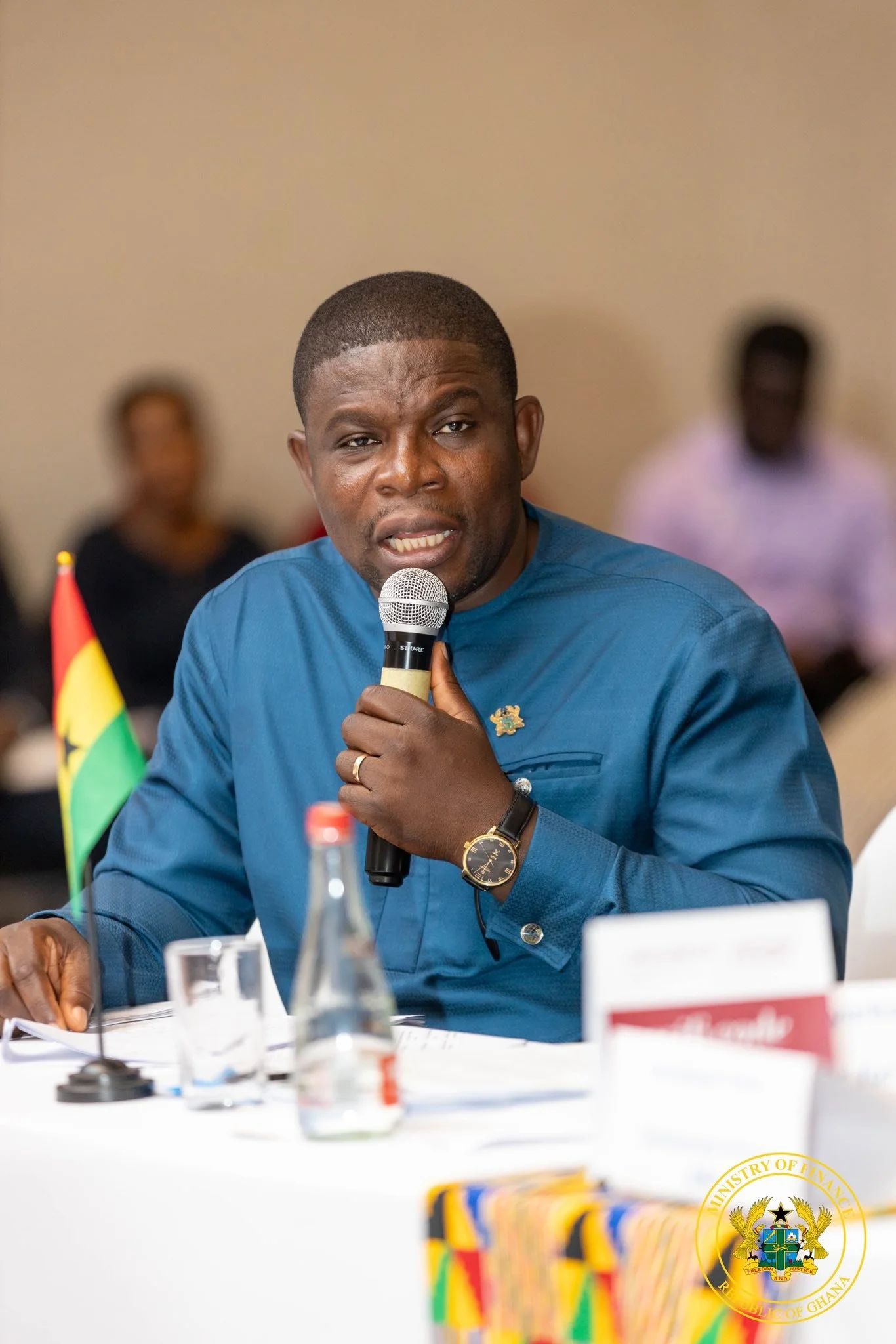

Gold Board Vows to Resist Political Pressure After 25 Arrested for Illegal Gold Trading
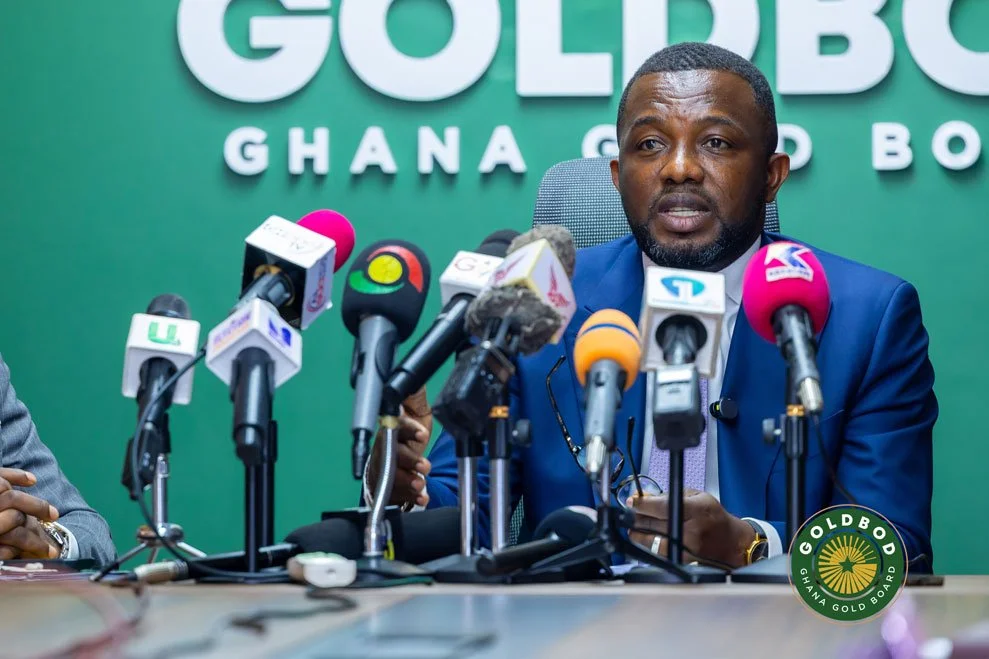
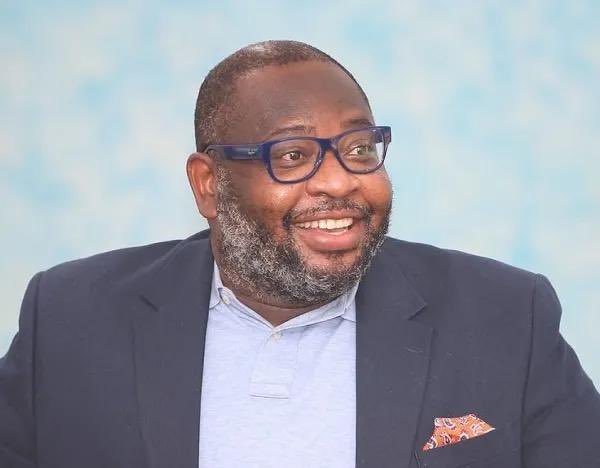
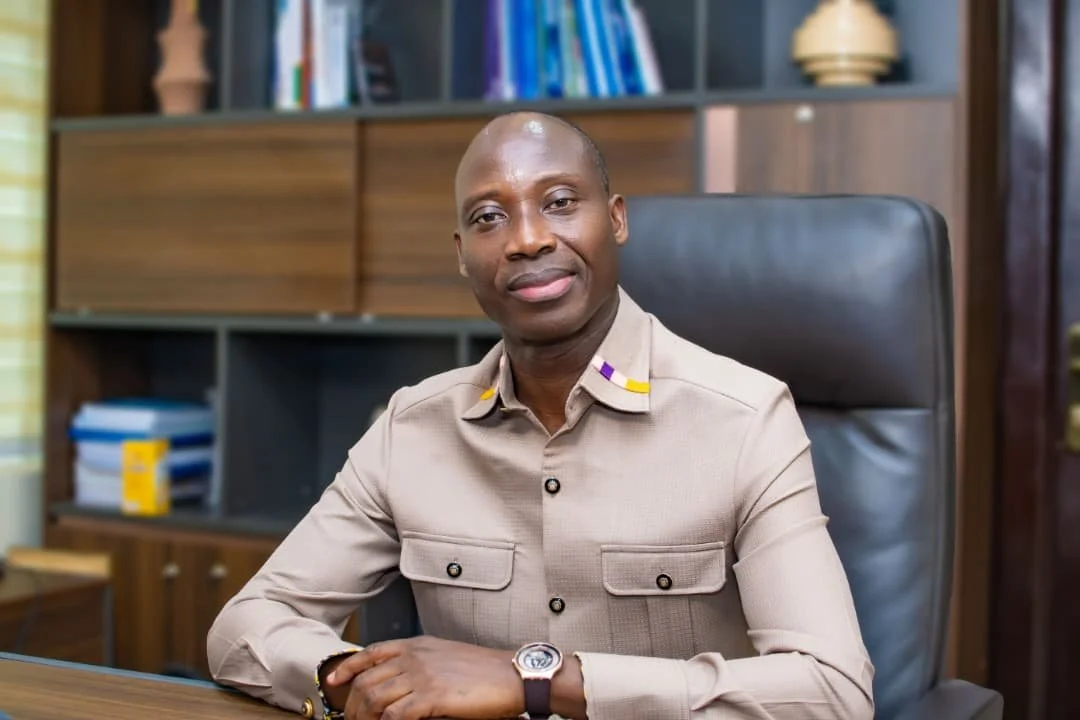
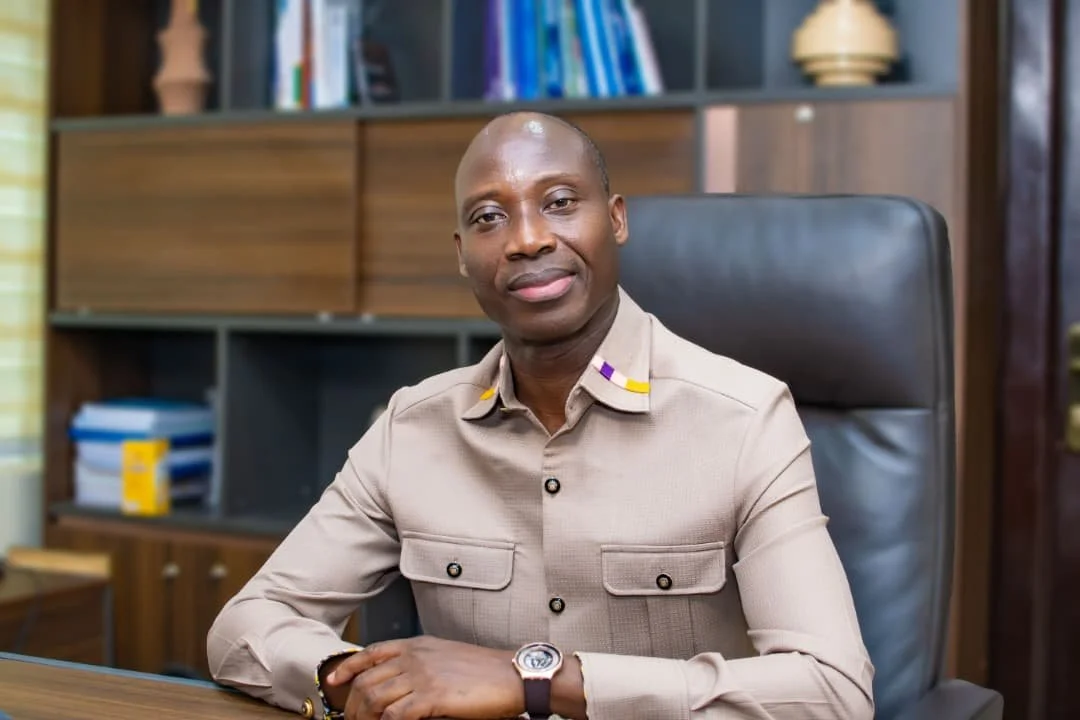
Deputy Chief Executive Officer of the Ghana Gold Board (GoldBod), Richard Nunekpeku- Photo credit GoldBod
Accra, Ghana – The Deputy Chief Executive Officer of the Ghana Gold Board (GoldBod), Richard Nunekpeku, has reaffirmed that the agency will not bow to political influence in its enforcement of Ghana’s gold-sector regulations. His statement follows the arrest of 25 individuals including several foreign nationals for alleged involvement in illegal gold trading, smelting, and fabrication without licenses.
“At GoldBod, if you fall foul of the law, we don’t know any party colour. No call from anybody. We will not succumb to any pressure,” Mr. Nunekpeku stated. “We will continue to do our work within the confines of the law, respect the rights of every individual we arrest, and ensure fair legal representation.”
The joint operation, conducted between November 5 and 6, 2025 by GoldBod and National Security, forms part of government’s drive to formalize the downstream gold value chain under the new Ghana Gold Board Act, 2025 (Act 1140).
The first raid targeted Mahalaxmi Ghana Limited in Dome Kwabenya, where four Indian nationals and one Ghanaian were arrested for allegedly smelting gold and manufacturing jewelry without a license.
“Investigations revealed that Mahalaxmi Ghana Limited was purchasing and fabricating gold jewelry without authorization in direct violation of the Gold Board Act,” Mr. Nunekpeku disclosed.
Recovered exhibits included 26 pieces of GRA-marked emerald stones, 19 gold rings, and a safe containing GH₵ 22,670.00, assorted ornaments, and three gold bars valued at approximately GH₵ 453,000.00.
In a related operation at Legend Precious Metal in Achimota-Akweteman, the task force arrested 20 more suspects allegedly involved in illegal gold smelting, assaying, and cross-border trading.
Authorities seized eight suspected gold bars, $112,500 in cash, GH₵ 64,014.00, and several trade documents. Two suspects were found in possession of side arms.
Mr. Nunekpeku emphasized that only duly licensed persons are permitted to participate in gold trading or jewellery manufacturing in Ghana.
“Engaging in these activities without a valid GoldBod license constitutes a criminal offence punishable by law,” he cautioned, adding that the agency’s new enforcement strategy is designed to curb smuggling, protect national revenue, and ensure ethical practices across the sector.
Fourteen of the suspects were arraigned before court on November 10, while investigations continue into the remaining cases.
“We will not in any way or manner release or deal with anybody because a call had come from anywhere,” Mr. Nunekpeku reiterated.
Read Also
Government says the $1.4bn energy-sector payment has stabilized power supply, restored liquidity, and prevented a return of widespread outages.
New GSS data shows a 3.8% jump in economic activity driven mainly by services and manufacturing. Agriculture also ticked up slightly. Full report breaks down where the growth is coming from and what comes next.
Ghana’s labour force expanded in 2025 with over 330,000 new jobs, but youth unemployment remains high at over 32 percent, according to new data from the Ghana Statistical Service.
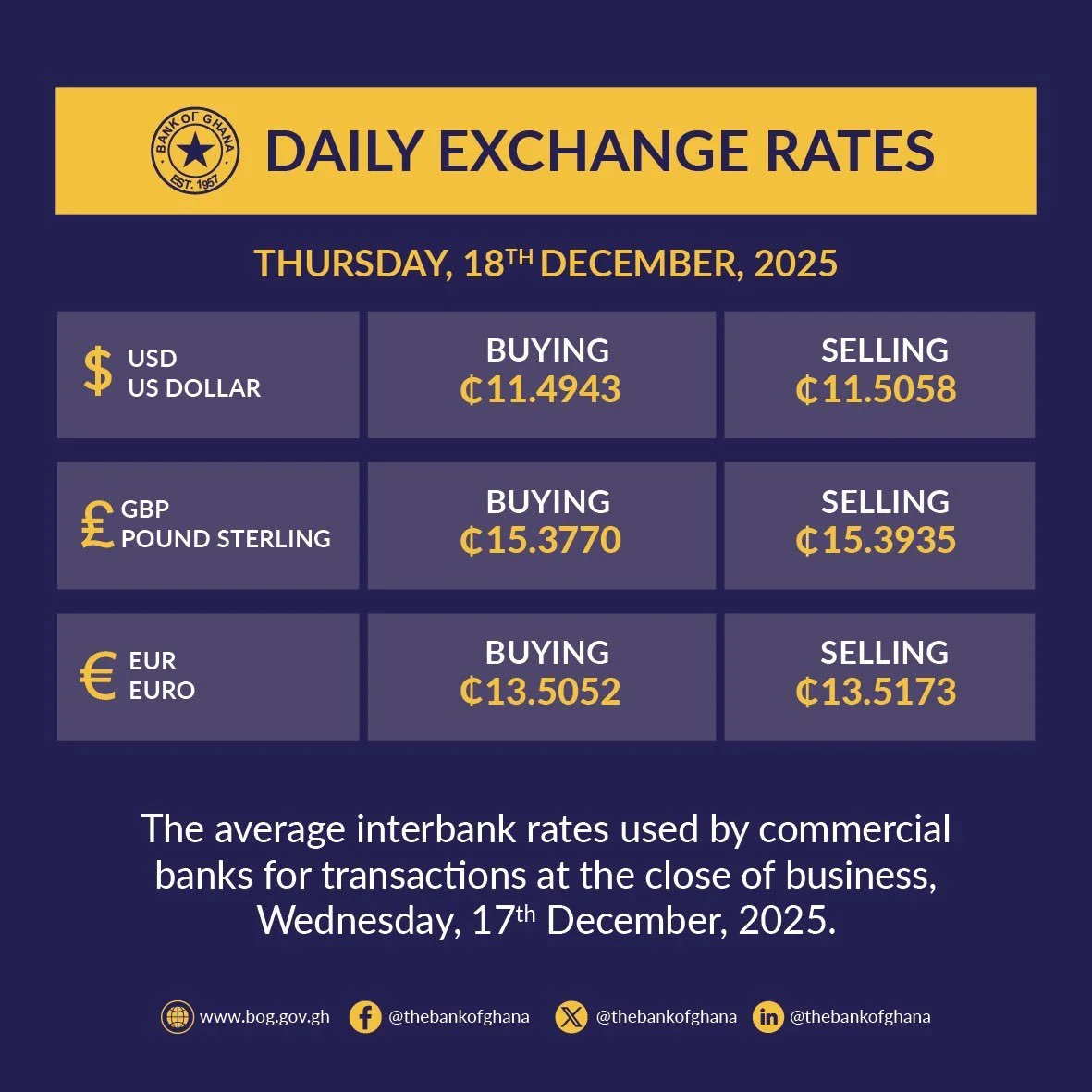
The Ghanaian cedi sold at ¢11.5058 to the US dollar on December 18, 2025, according to the Bank of Ghana’s latest interbank exchange rates.
Ghana’s economy expanded by 6.1% in the first nine months of 2025, with agriculture, ICT, and trade powering growth. Government Statistician Dr. Alhassan Iddrisu says the data shows “slightly stronger momentum” than 2024.
Germany has pledged an extra €3 million to Ghana’s Sustainable Energy for Climate Project, bringing total support to €10 million, as both nations deepen cooperation on renewable energy, efficiency, and climate resilience.
Ghana’s inflation rate dropped for the 11th consecutive month to 6.3% in November 2025, the lowest since 2021. The Ghana Statistical Service attributes the trend to price stability in food, non-food, and locally produced items.
Ghana’s Public Utilities Regulatory Commission (PURC) has announced new tariffs effective January 1, 2026 — electricity to increase by 9.86% and water by 15.92% under the 2026–2030 Multi-Year Tariff Review. The adjustment reflects inflation, exchange rate, and gas cost projections.
The Bank of Ghana has reduced its policy rate to 23%, citing strong economic recovery, stable inflation, and improved reserves. Governor Johnson Asiama says Ghana is “shifting from recovery to expansion” as the BoG balances disinflation with growth.
Deputy Majority Leader Alexander Afenyo-Markin has urged Parliament to reject the proposed 7% withholding tax increase, warning it will hurt Ghanaian small businesses and undermine economic recovery.
Ghana’s Special Prosecutor has rejected aspects of the IMF’s Governance and Corruption Diagnostic Report, saying the findings reflect 2023 challenges and not the Office’s current reforms, capacity, and anti-corruption performance.
Ghana Statistical Service has revised July 2025 MIEG growth down to 3.7% from the earlier 4.5%, while August 2025 economic activity expanded by 5.1%. Agriculture and services led the growth, though industry contracted.
Former Finance Minister Amin Adam says Ghana’s single-digit inflation is misleading, arguing in Parliament that rising prices of essential goods, failing Treasury bill auctions and weakened investor confidence reveal a struggling economy depriving citizens of decent livelihoods.
Former Information Minister Kojo Oppong Nkrumah warns that Ghana’s 2026 Budget faces a staggering revenue shortfall of up to GH₵19 billion, forcing the government to cut expenditure by GH₵28 billion. He urges Parliament to confront the structural weaknesses undermining the economy.
Two suspects have been arrested and arraigned for hoarding premix fuel, Fisheries Minister Emelia Arthur told Parliament. Automation reforms continue nationwide.
Ghana’s Presidential Spokesperson Felix Kwakye Ofosu has dismissed Minority allegations that the Bank of Ghana printed money to finance the Gold Board, insisting the bank only facilitated legal intermediation in the gold-for-reserves program.
Ghana’s Cedi @ 60 Conference sets a bold agenda for currency stability, digital innovation, and fiscal discipline, with BoG Governor Asiama calling for national commitment.
The Government of Ghana has officially abolished the COVID-19 Health Recovery Levy as part of sweeping 2026 VAT reforms. Finance Minister Dr. Ato Forson says the move will return GH₵3.7 billion to citizens and businesses while simplifying Ghana’s tax system and boosting fiscal efficiency.
Abdul Rahman Taofiq is a news reporter with DM Media Group.