
Star Oil Overtakes GOIL to Become Ghana’s Largest Oil Marketing Company

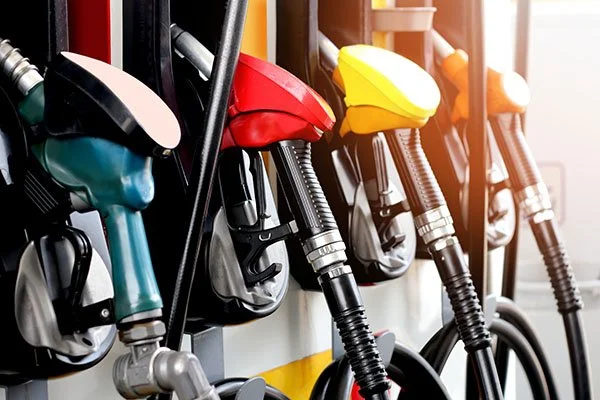
Accra, Ghana – Ghana’s downstream petroleum sector has witnessed a major realignment, as Star Oil has overtaken established market leaders to become the largest Oil Marketing Company (OMC) in the country.
Industry data for the first half of 2025 show that Star Oil’s strategic expansion, disciplined management, and customer-focused policies have propelled the company ahead of long-standing competitors such as GOIL PLC, reshaping the competitive landscape of Ghana’s fuel market.
Over the past five years, Star Oil has achieved exceptional growth, expanding its retail network from 98 fuel stations in 2020 to 254 in 2025. The company also recorded a 41.02% increase in product volumes, a milestone that solidified its dominance in Ghana’s energy sector.
Analysts note that this trajectory reflects not only aggressive expansion but also operational excellence across the company’s distribution and service operations.
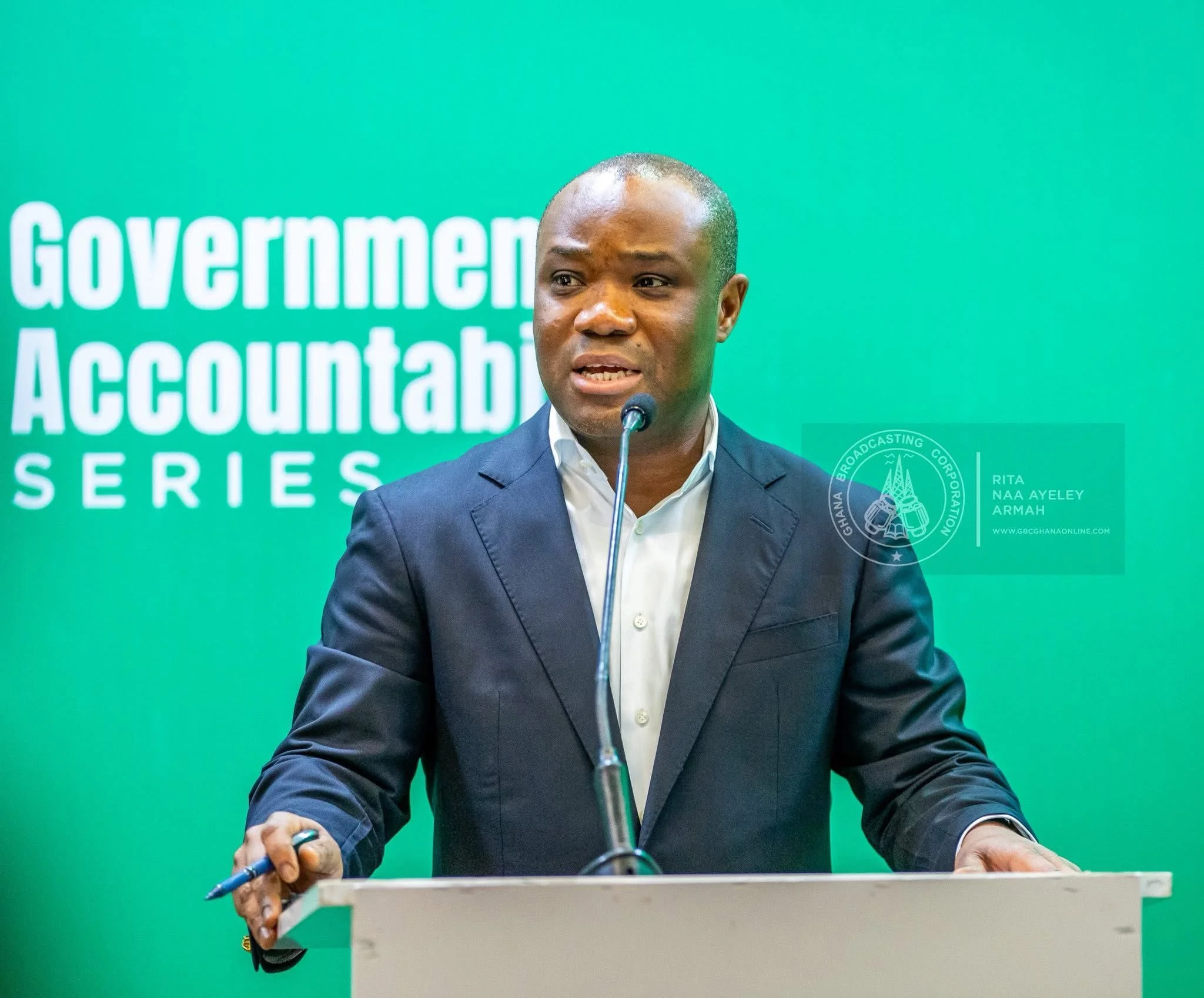
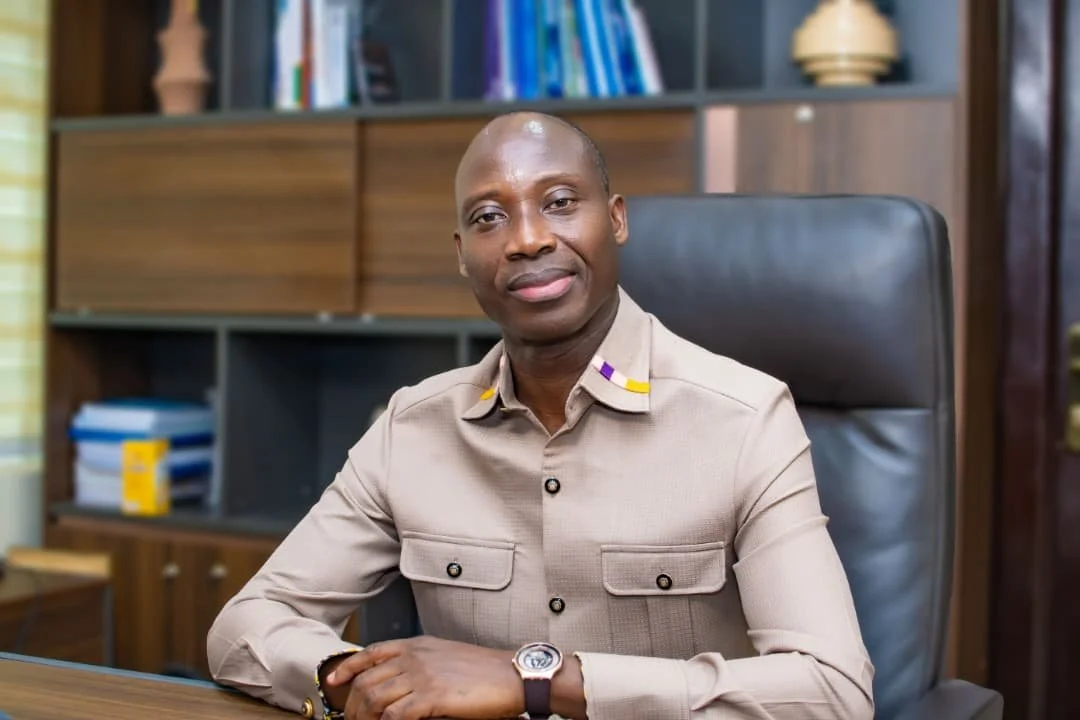
In an interview on Joy News’ PM Express Business Edition on November 6, 2025, Star Oil’s CEO, Philip Tieku, attributed the company’s success to a mix of discipline, trust, and strategic focus rather than mere pricing tactics.
“It was about prudent management of resources, tight control of overhead costs, elimination of leakages, focus on fuel quality, and effective management of service stations and customer engagement,” Mr. Tieku said.
He explained that Star Oil’s rise was driven by what he calls “fixing the fundamentals” ensuring accuracy in pump measurements, maintaining strict quality assurance, and fostering transparency across all operations.
Star Oil’s success has sent ripples through the industry, forcing other OMCs to reassess their pricing, customer relations, and operational models. The company’s performance demonstrates that consistency, efficiency, and quality assurance now outweigh minor pricing advantages in influencing consumer loyalty.
Its use of digital monitoring systems, transparent pricing mechanisms, and accountable management has also raised the bar for corporate governance in Ghana’s oil marketing sector.
As competition intensifies, analysts predict that Star Oil’s disciplined approach could lead to greater efficiency and fairer prices across the industry, benefiting both consumers and transport businesses nationwide.
Read Also
Government says the $1.4bn energy-sector payment has stabilized power supply, restored liquidity, and prevented a return of widespread outages.
New GSS data shows a 3.8% jump in economic activity driven mainly by services and manufacturing. Agriculture also ticked up slightly. Full report breaks down where the growth is coming from and what comes next.
Ghana’s labour force expanded in 2025 with over 330,000 new jobs, but youth unemployment remains high at over 32 percent, according to new data from the Ghana Statistical Service.
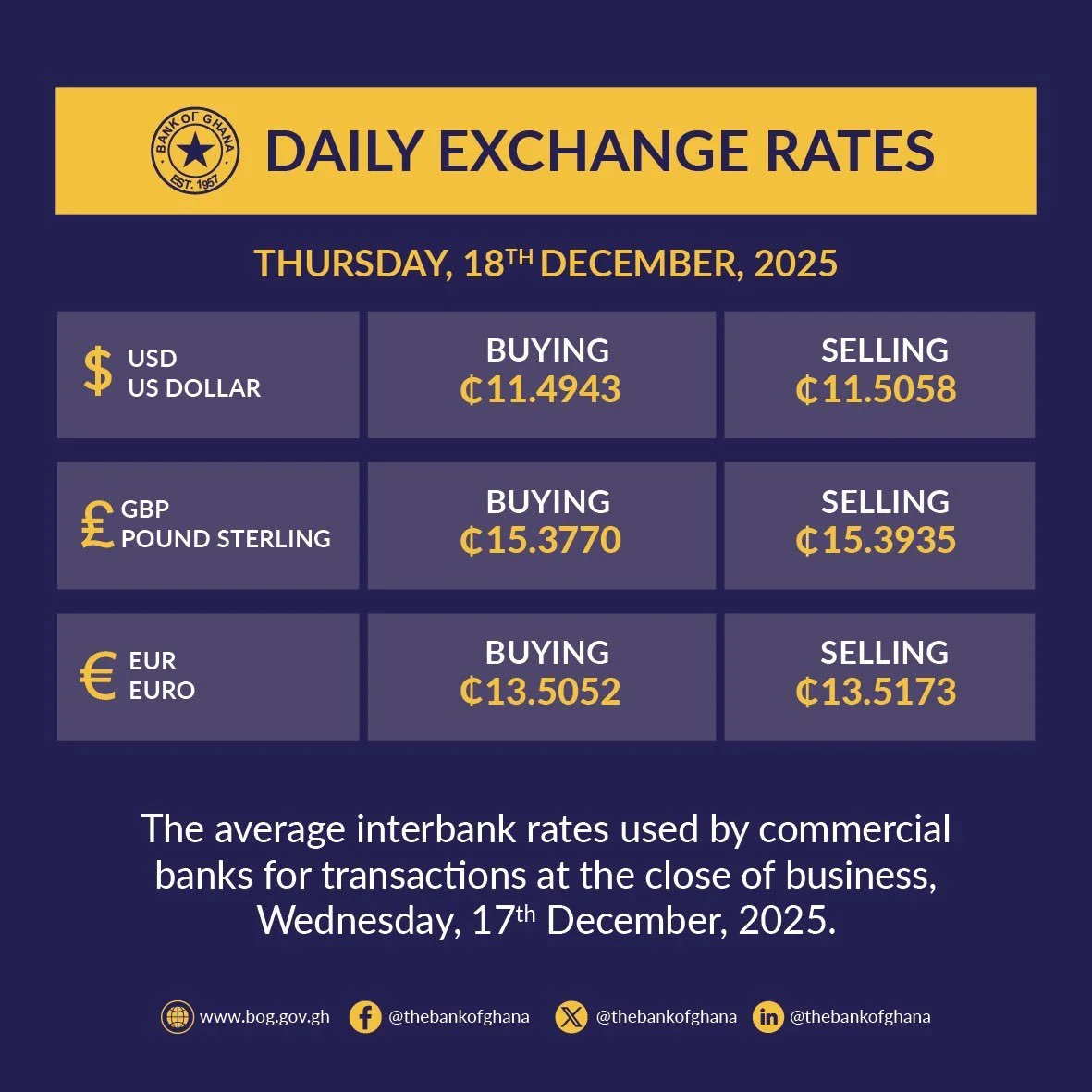
The Ghanaian cedi sold at ¢11.5058 to the US dollar on December 18, 2025, according to the Bank of Ghana’s latest interbank exchange rates.
Ghana’s economy expanded by 6.1% in the first nine months of 2025, with agriculture, ICT, and trade powering growth. Government Statistician Dr. Alhassan Iddrisu says the data shows “slightly stronger momentum” than 2024.
Germany has pledged an extra €3 million to Ghana’s Sustainable Energy for Climate Project, bringing total support to €10 million, as both nations deepen cooperation on renewable energy, efficiency, and climate resilience.
Ghana’s inflation rate dropped for the 11th consecutive month to 6.3% in November 2025, the lowest since 2021. The Ghana Statistical Service attributes the trend to price stability in food, non-food, and locally produced items.
Ghana’s Public Utilities Regulatory Commission (PURC) has announced new tariffs effective January 1, 2026 — electricity to increase by 9.86% and water by 15.92% under the 2026–2030 Multi-Year Tariff Review. The adjustment reflects inflation, exchange rate, and gas cost projections.
The Bank of Ghana has reduced its policy rate to 23%, citing strong economic recovery, stable inflation, and improved reserves. Governor Johnson Asiama says Ghana is “shifting from recovery to expansion” as the BoG balances disinflation with growth.
Deputy Majority Leader Alexander Afenyo-Markin has urged Parliament to reject the proposed 7% withholding tax increase, warning it will hurt Ghanaian small businesses and undermine economic recovery.
Ghana’s Special Prosecutor has rejected aspects of the IMF’s Governance and Corruption Diagnostic Report, saying the findings reflect 2023 challenges and not the Office’s current reforms, capacity, and anti-corruption performance.
Ghana Statistical Service has revised July 2025 MIEG growth down to 3.7% from the earlier 4.5%, while August 2025 economic activity expanded by 5.1%. Agriculture and services led the growth, though industry contracted.
Former Finance Minister Amin Adam says Ghana’s single-digit inflation is misleading, arguing in Parliament that rising prices of essential goods, failing Treasury bill auctions and weakened investor confidence reveal a struggling economy depriving citizens of decent livelihoods.
Former Information Minister Kojo Oppong Nkrumah warns that Ghana’s 2026 Budget faces a staggering revenue shortfall of up to GH₵19 billion, forcing the government to cut expenditure by GH₵28 billion. He urges Parliament to confront the structural weaknesses undermining the economy.
Two suspects have been arrested and arraigned for hoarding premix fuel, Fisheries Minister Emelia Arthur told Parliament. Automation reforms continue nationwide.
Ghana’s Presidential Spokesperson Felix Kwakye Ofosu has dismissed Minority allegations that the Bank of Ghana printed money to finance the Gold Board, insisting the bank only facilitated legal intermediation in the gold-for-reserves program.
Ghana’s Cedi @ 60 Conference sets a bold agenda for currency stability, digital innovation, and fiscal discipline, with BoG Governor Asiama calling for national commitment.
The Government of Ghana has officially abolished the COVID-19 Health Recovery Levy as part of sweeping 2026 VAT reforms. Finance Minister Dr. Ato Forson says the move will return GH₵3.7 billion to citizens and businesses while simplifying Ghana’s tax system and boosting fiscal efficiency.
Ghana’s 2026 Budget projects a minimum 4.8% GDP growth as Finance Minister Dr. Ato Forson outlines a strategy focused on fiscal discipline, revenue mobilisation, social protection, and sustained macroeconomic stability under the theme “Resetting for Growth, Jobs and Economic Transformation.”
Energy Minister John Abdulai Jinapor tells Parliament that 202 contracts have been terminated and major reforms launched to reduce ECG’s technical and commercial losses while improving efficiency and revenue collection.
Abdul Rahman Taofiq is a news reporter with DM Media Group.


Delivering the 2026 Budget, Finance Minister Ato Forson revealed that $31bn in import-related transfers left Ghana with no goods received, describing the discovery as “organised crime.” Audit shows massive under-declaration and banking breaches.